🔥 World Briefing Hot Take
When leaders talk peace while positioning for war, it’s not strategy - it’s a signal the off-ramp may already be gone.
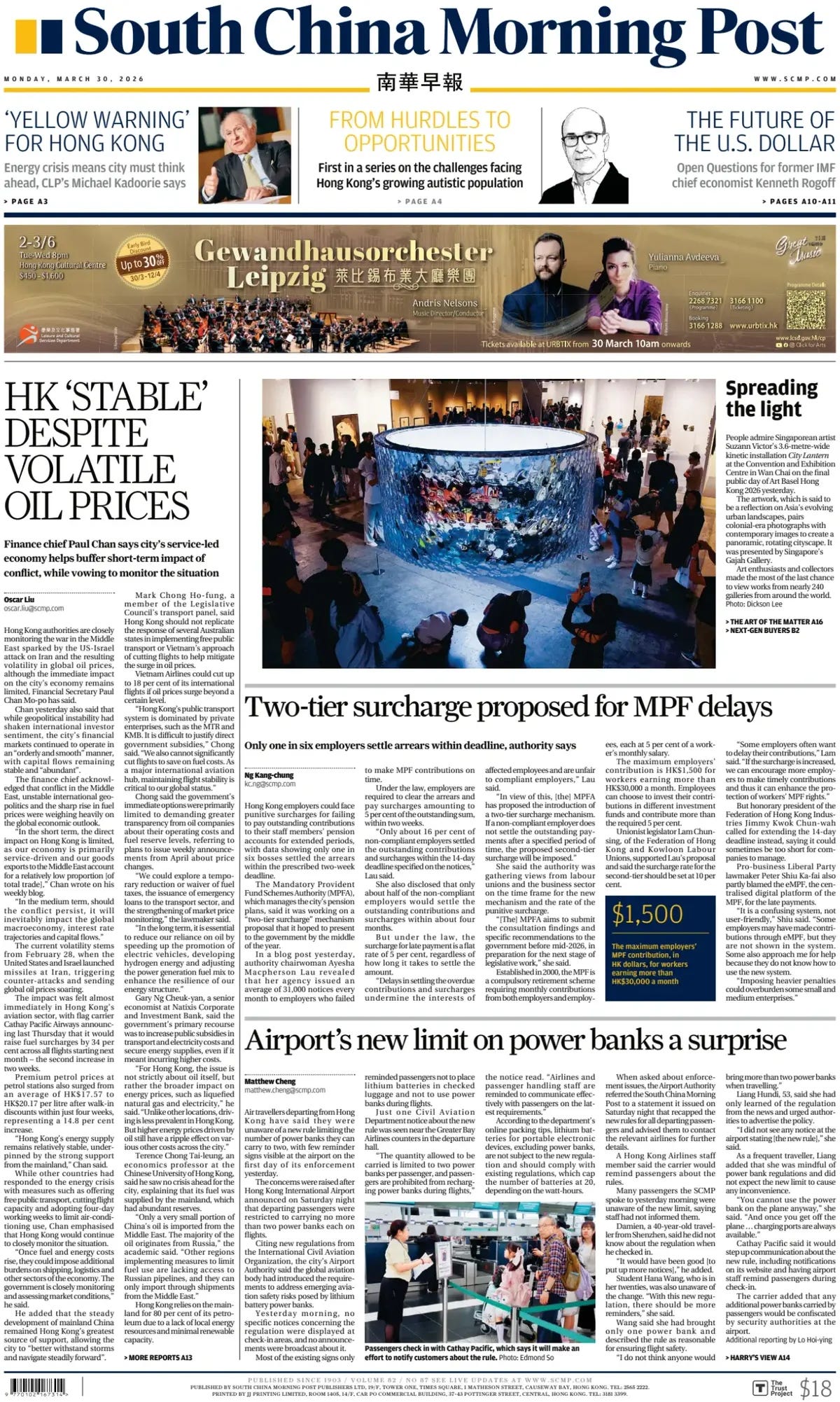
As I mentioned on CNN this morning (watch the video below), when an administration starts deploying thousands of Marines while quietly stripping critical defense systems from the Asia-Pacific - potentially exposing allies like Japan, South Korea and Taiwan - that tells you everything about where this is heading.
And yet, a rare glimmer of pragmatism: Washington appears to be stepping back, at least partially, from front-seat negotiations with Tehran. Into that vacuum steps a more regionally grounded trio - Islamabad, Ankara and others - actors with both skin in the game and a far deeper understanding of the dynamics required to engineer a credible off-ramp.
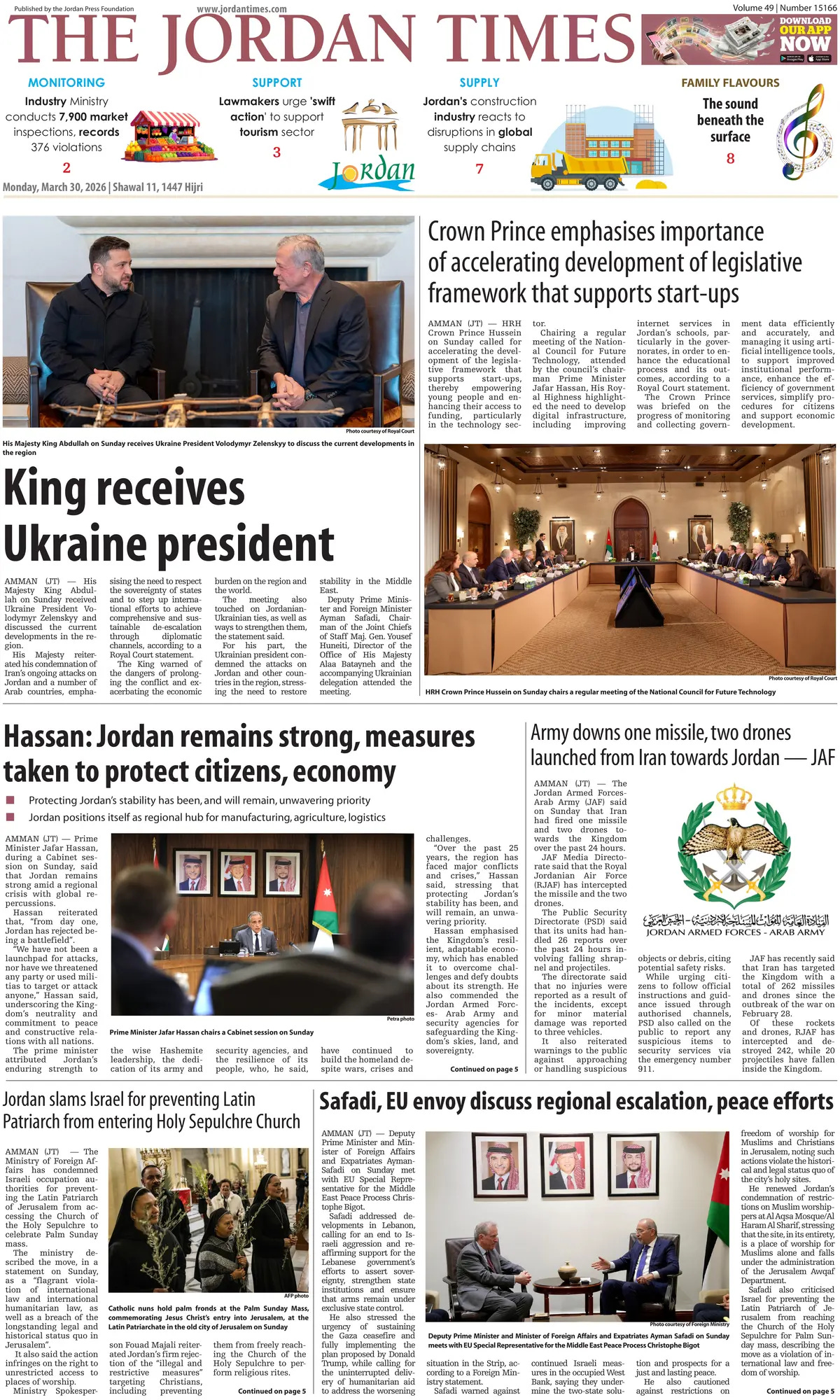
There’s also a striking irony here. Roughly a year ago, Donald Trump told Volodymyr Zelensky that Ukraine had “no cards” to play. Today, Zelensky’s hand looks considerably stronger - with Gulf states increasingly seeking access to Ukraine’s battlefield-honed anti-drone expertise, refined over four years of war.
The real question now: will that leverage be used wisely? Because if Kyiv plays this right, it could extract meaningful concessions from Gulf partners - not just on security cooperation and joint production, but on tightening the screws on Moscow. That means everything from restricting Russian capital flows to closing safe havens for oligarchs and members of Vladimir Putin’s inner circle.
In a world tilting toward escalation, leverage - not rhetoric - may be the only currency that still matters.
News Briefs
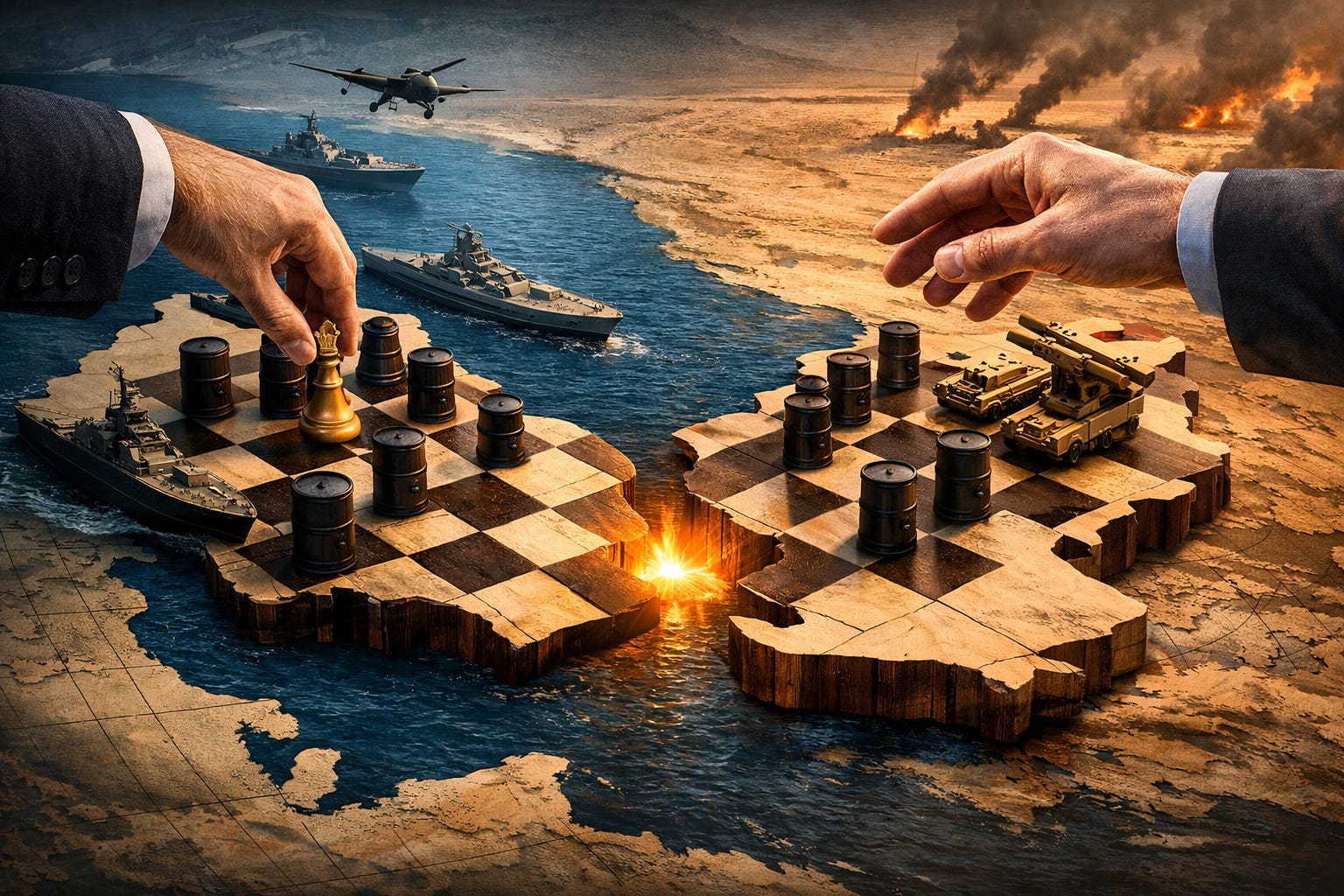
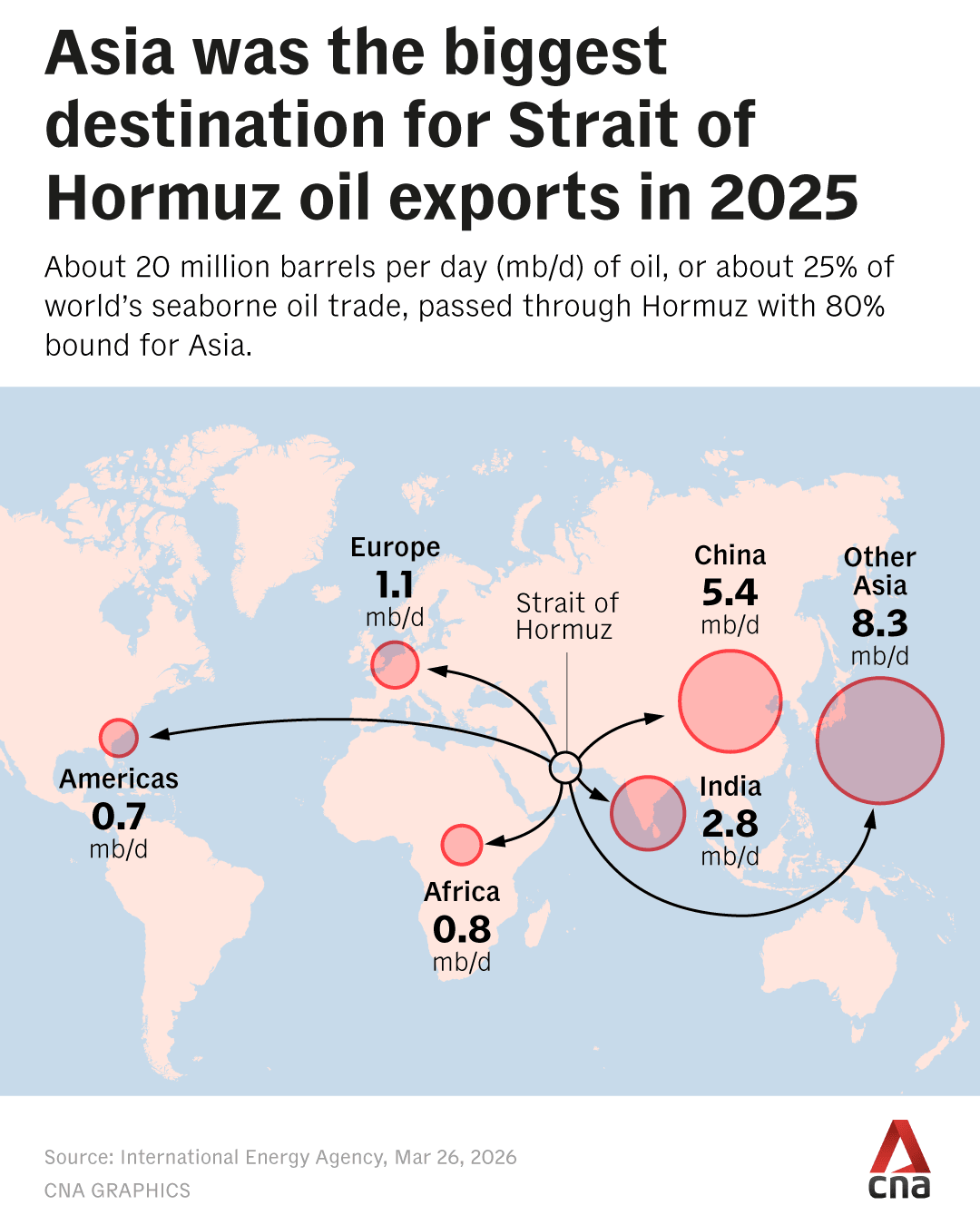
US President Donald Trump said he wants to “take the oil in Iran” and perhaps seize Kharg Island, while at the same time insisting that Washington is doing “extremely well” in negotiations with Iran and that he is “pretty sure” a peace deal will be reached “soon.” The mixing of threats and the possibility of a peace deal with Tehran came in an interview published late on March 29 in the Financial Times and in remarks an hour later to reporters aboard Air Force One. To reporters, Trump hailed progress in talks with Iran, saying they were being held directly and indirectly with “reasonable” leaders and asserted that Tehran was partially opening the crucial Strait of Hormuz, the waterway through which some 20 percent of the world’s oil and natural gas supplies pass. He didn't elaborate on what he called direct talks with Iran, whose leaders deny negotiations are taking place. Tehran has said it received, reviewed, and rejected a 15-point US peace plan that was delivered through Pakistani emissaries. The developments come as thousands more US Marines arrived in the region, as Washington continued laying the groundwork for a possible land invasion of Iran, though US officials said no decisions have been made whether to invade. With the US-Israeli war with Iran in its fifth week, Iran’s powerful parliament speaker, Mohammad Baqer Qalibaf -- seen as a possible contender to lead the country after US-Israeli air strikes killed its leadership -- accused the United States of “secretly” planning a ground attack despite talking about peace. “We are certain we can punish America and make it regret ever considering an attack on Iran,” he said.
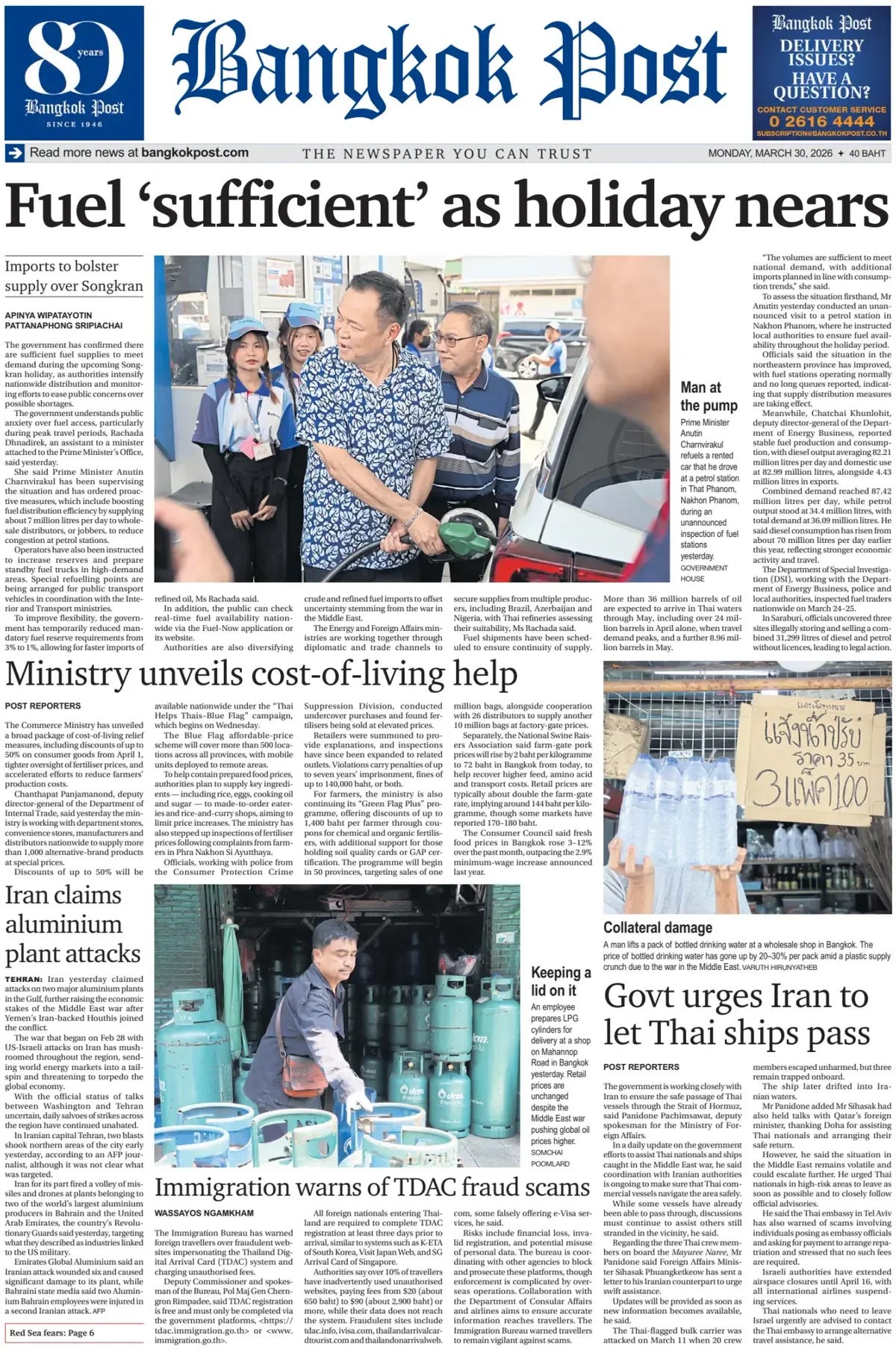
Tehran stepped up its attacks on Gulf nations, hitting aluminum plants in Bahrain and the UAE this weekend. The strikes add to the pressures facing global commodities markets amid disruptions to both production and shipping.
The Middle East accounts for 9% of the world’s production of aluminum, an abundant metal that is essential to the functioning of the global economy given its importance to a wide range of industries, including packaging, aerospace, and transportation. Aluminum prices had surged in the weeks before the war given tight supply, and the price shock from the conflict has pushed the metal to a four-year high. That could make construction projects less financially viable, a US builders group warned: “Even more projects will not move forward.” - Semafor
A gathering of prominent American conservatives last week exposed deep divisions within the Republican Party over the Iran war. Some longtime Donald Trump loyalists questioned the escalation — one warned that “a ground invasion of Iran will make our country poorer and less safe” — while others praised the president’s strikes. The split at the Conservative Political Action Conference reflected generational divides within the party over involvement abroad and support for Israel, The New York Times reported. The debate is also testing Trump’s legacy and succession, as he privately asks advisers: “JD or Marco?” — contrasting Vice President JD Vance, who has opposed past US entanglements in foreign wars, with the more hawkish Secretary of State Marco Rubio, according to Reuters - Semafor
On the first day of the war with Iran, a weapon bearing the hallmarks of a newly developed U.S.-made ballistic missile was used in an attack that struck a sports hall and adjacent elementary school near a military facility in southern Iran, according to weapons experts and a visual analysis by The New York Times. Local officials cited in Iranian media said this strike and others nearby in the city of Lamerd killed at least 21 people. The Feb. 28 attack occurred the same day as a U.S. Tomahawk cruise missile struck a school in the city of Minab, several hundred miles away, killing 175 people. In the case of Lamerd, though, it involved a weapon that had been untested in combat. The Times verified videos of two strikes in Lamerd, as well as aftermath footage from the attacks. Times reporters and munitions experts found that the weapon features, explosions and damage are consistent with a short-range ballistic missile called the Precision Strike Missile, or PrSM (pronounced like “prism”), which is designed to detonate just above its target and blast small tungsten pellets outward. Videos that capture one strike, in a residential area about 900 feet from the sports hall and school, show the weapon in flight, with a distinctive silhouette that matches the PrSM. The missile erupts in a large fireball midair. The PrSM completed prototype testing only last year, according to an Army press release. On March 1, U.S. Central Command posted a video of a PrSM launch from the first 24 hours of the war. Days later, Adm. Brad Cooper, who leads Central Command, said the PrSM had been used in combat for the first time. The military has been touting its debut - NYT
Live from Bangkok on CNN, I break down a fast-shifting geopolitical moment that could redefine how this war ends - or escalates. Pakistan is emerging as a serious diplomatic player, stepping into negotiations with regional heavyweights like Turkey - potentially offering a far more credible off-ramp than the current U.S.-led approach. In this interview with Omar Jimenez, I connect the dots across two wars - the Middle East and Ukraine - and explain why the next moves from Washington, Islamabad, and the Gulf could shape global stability.
Min Aung Hlaing, Myanmar’s military chief who led a coup in 2021, stepped down on Monday to stand as president in a parliamentary vote following the first polls in the Southeast Asian nation since the takeover that triggered a civil war. The 69-year-old general, who had commanded Myanmar’s armed forces since 2011, was one of two people named as vice-presidential candidates by lawmakers from the country’s newly convened lower house of parliament. The country's upper house will also nominate a vice-presidential candidate, with both houses to select a president from the three in a later vote. A date for that vote has not been announced. The move follows a controversial election held amid raging conflict in December and January, won by the military-backed Union Solidarity and Development Party but widely derided as a sham by the United Nations and many Western countries. Min Aung Hlaing spent a decade jostling with civilian leaders before mounting his coup five years ago, jailing Nobel Peace Prize laureate Aung San Suu Kyi and triggering a vicious civil war that is still being fought - CNA
Karoline Leavitt threw a fit after architects exposed glaring design flaws in President Donald Trump’s ballroom vanity project. The president’s $400 million White House ballroom was scrutinized by a trained architect, a fine arts expert, and an urban planning writer in The New York Times on Sunday. The authors warned that the 90,000-square-foot ballroom has “fake windows on the north side,” columns that “block interior ballroom view,” and an “unnecessarily big” rooftop area. They also noted that “its stairs lead nowhere,” as several of the staircases from the ground appear not to be connected to a way into the ballroom. Leavitt, 28, lashed out at the Times and the writers on X, attacking their credentials and claiming that the “People’s House” has “needed” a ballroom for decades. “The New York Times had three random people who have ‘studied fine arts,’ ‘long written about urban planning,’ and never built anything to write an article criticizing the new White House ballroom,” the White House press secretary said, alongside screenshots of the writers’ bylines. The White House has maintained that the new ballroom’s $400 million price tag will be “privately funded” by Trump’s billionaire friends. Leavitt’s use of the term “People’s House” stands out because Trump barged ahead with his lavish project without seeking Congressional approval nor independent reviews, tearing down the historic East Wing last October—despite previously promising that the ballroom’s construction would leave the existing building untouched. The National Capital Planning Commission, which Trump has stacked with loyalists, is expected to take a vote on the ballroom on April 2. Around 98 percent of 32,000 public comments that have come in during the commission’s public comment period are against the construction of the ballroom, according to a review by the Times. - The Daily Beast
Tiger Woods' latest DUI arrest reportedly has friends wondering when he's going to "get real" and start acting his age. According to People, a source close to the legendary golfer says, "Tiger has yet to look in the mirror and say, 'You're 50 years old and need to act like it.'" They reportedly added ... "He is enabled by people making money off of his talent and reputation, but with his injuries and age, he is frustrated and depressed about his state of health. He wants to play in major tournaments like the Masters, but he needs to get real. Once he does that, he should be better off because people do like Tiger. He is a good person." Tiger crashed his Range Rover Friday, rolling it over, and was subsequently arrested for DUI by the Martin County Sheriff's Department in Jupiter, Florida. TW was traveling at a high rate of speed on a two-lane road when he clipped the back of a pickup truck, according to authorities - TMZ
The journals….