

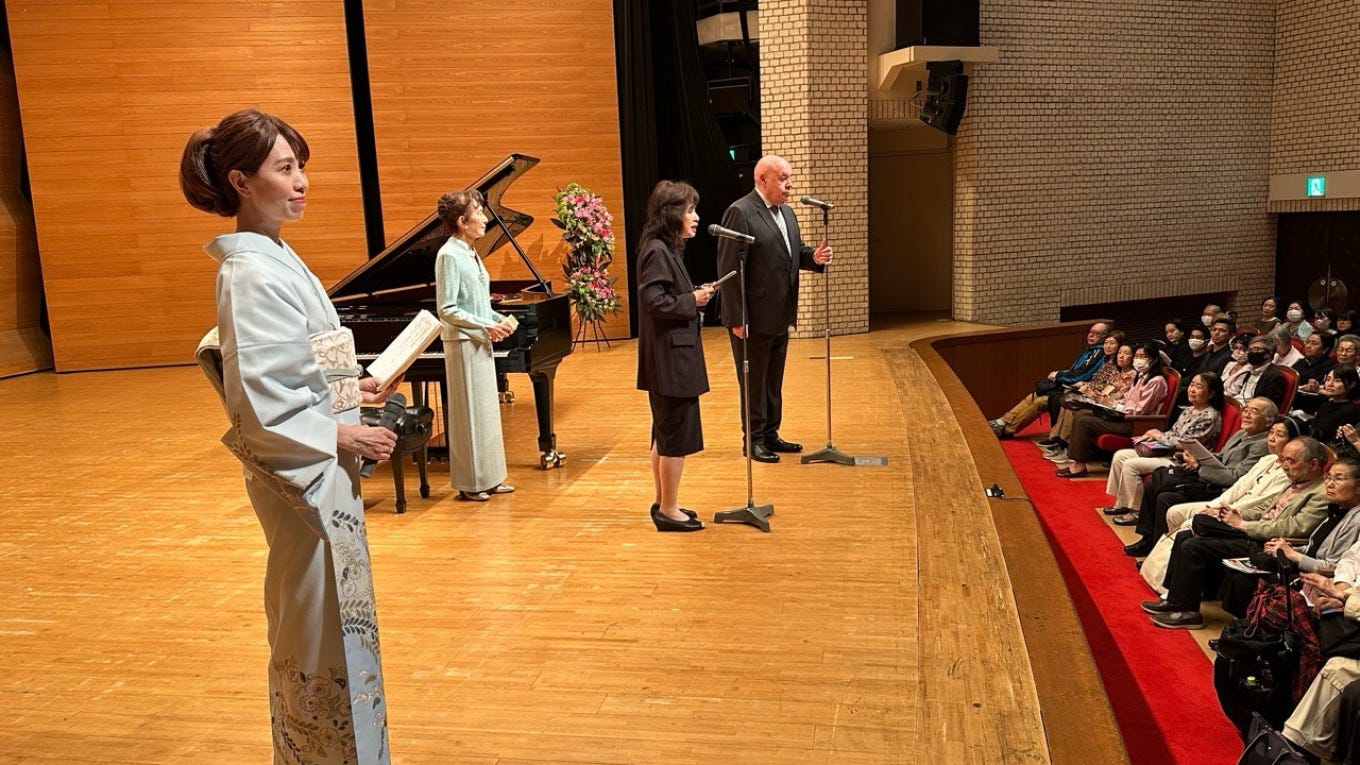
On May 11, the same day Moscow unleashed more than 100 drones at Ukrainian targets, Vladimir Putin’s special representative for international cultural cooperation was taking a bow at a Tokyo concert hall. Mikhail Shvydkoy - a former Putin culture minister - had come to open the annual Festival of Russian Culture in Japan. According to the independent Moscow Times, he stayed to lobby for resumed Russia-Japan ministerial talks, bilateral energy cooperation, and direct flights. His meeting partner was a man with quite the rap sheet: a Japanese parliamentarian who once served prison time for accepting bribes and is known for his Kremlin sympathies.
Japan has sanctioned Putin personally and pumped $15.7 billion into Ukrainian aid. Yet Tokyo has rolled out the red carpet for a Kremlin-organized cultural festival that the rest of the democratic world has largely refused to host. Even Italy, which allowed Russia to participate in this year’s Venice Biennale, had the event forced on it against the government’s wishes - the EU responded by cutting €2 million in funding, and the Russian pavilion was shuttered to the public after a brief preview amid protests.
Tokyo’s convenient justification - that its quarrel is with the war, not Russian culture - sounds principled but crumbles on inspection. This is not a gathering of independent artists. The festival is organized by Russia’s Ministry of Culture, chaired by Shvydkoy, and functions as what one analyst calls artwashing: the Kremlin would rather Japanese audiences associate Russia with the Mariinsky than with Mariupol. Before leaving Tokyo, Shvydkoy was already planning the 2027 edition - potentially featuring conductor Valery Gergiev, as close to Putin as any figure in Russian musical life, the Moscow Times reported.
The Kremlin would rather Japanese audiences associate Russia with the Mariinsky than with Mariupol
Japan has actually moved in the opposite direction - making it easier for Russians to visit, including by opening two new visa centres in Moscow and St. Petersburg in February 2026, the Moscow Times reports.
But hosting a state-directed propaganda festival - and allowing its organizer to use the trip as a diplomatic back channel - is something else entirely. Ninety-three percent of Japanese respondents said they feel no affinity for Russia, according to a September 2025 cabinet survey.
Little wonder why: Russian authorities have refused to permit Japanese former residents to visit ancestral graves on the disputed Southern Kuril Islands. These individuals were forcibly deported after the islands, which Japan claims as its Northern Territories, were occupied by Soviet forces at the end of World War II. An annual scheme used to permit the former residents to make short, visa-free visits during the summer months. However, the Kremlin ended it to punish Tokyo for its support of Ukraine and has remained deaf to Japanese entreaties to resume the visits on humanitarian grounds. With the average age of former residents now over 90, few seem likely ever to set foot on their homeland again.
The Festival of Russian Culture exists not for Japanese audiences. It exists for Moscow.
The Hot Take: Tokyo is sophisticated enough to know the difference between a Russian tourist and a Putin envoy. It's time to stop pretending a culture ministry official chairing a Kremlin-funded festival is anything other than what it is.
The Cornered Bear: Why Putin Won't Take Zelensky's Deal - BBC Interview
Volodymyr Zelensky has publicly challenged Vladimir Putin to meet face-to-face, end the war, and agree to a ceasefire. Live on BBC World Television, I explained why Putin is unlikely to bite - and why a cornered Kremlin, hemmed in by a failing economy, drone strikes on its oil infrastructure, electoral setbacks abroad, and a tiring Trump, is the more dangerous scenario. When a rat is backed into a corner, it bites back.

Taxi Talks is back! 🚕
In this exclusive World Briefing video explainer, we traveled far and wide to bring you one-on-one conversations straight from the passenger seat. This episode uncovers the stark financial realities squeezing ride-hailing drivers on opposite sides of the globe.
Watch as we compare the jarring economics of an Uber Calgary airport run - where a driver loses a staggering 50% of their fare to a combination of platform cuts and airport authority fees - with the grueling conditions in the Philippines, where Grab drivers are forced into dangerous 18-hour shifts just to survive 20-25% commissions and sky-high fuel prices.
Check out the video below to see the hidden geopolitical and economic pressures hitting the gig economy, and find out why adding a tip on your phone is more important than ever.
The journals….
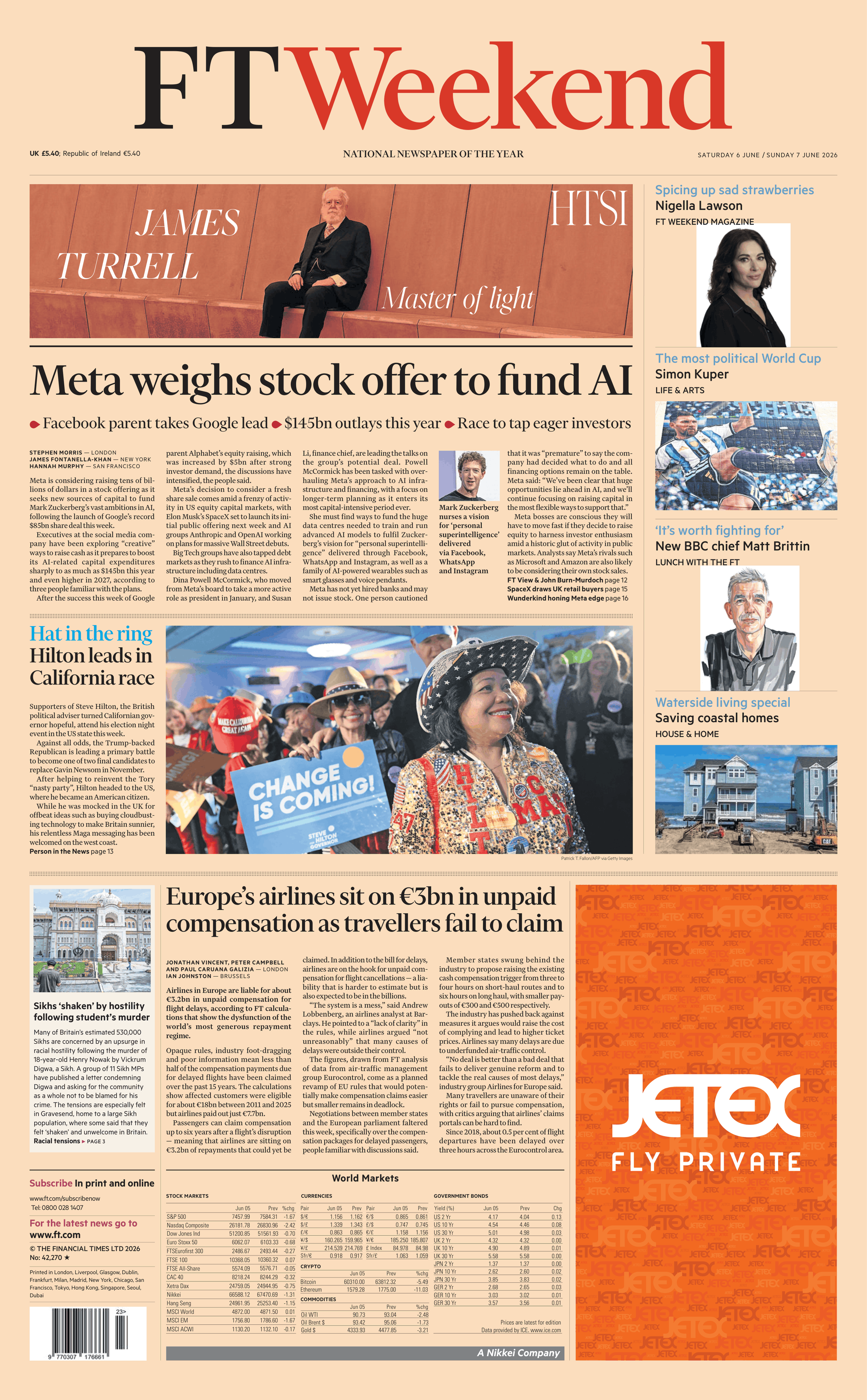
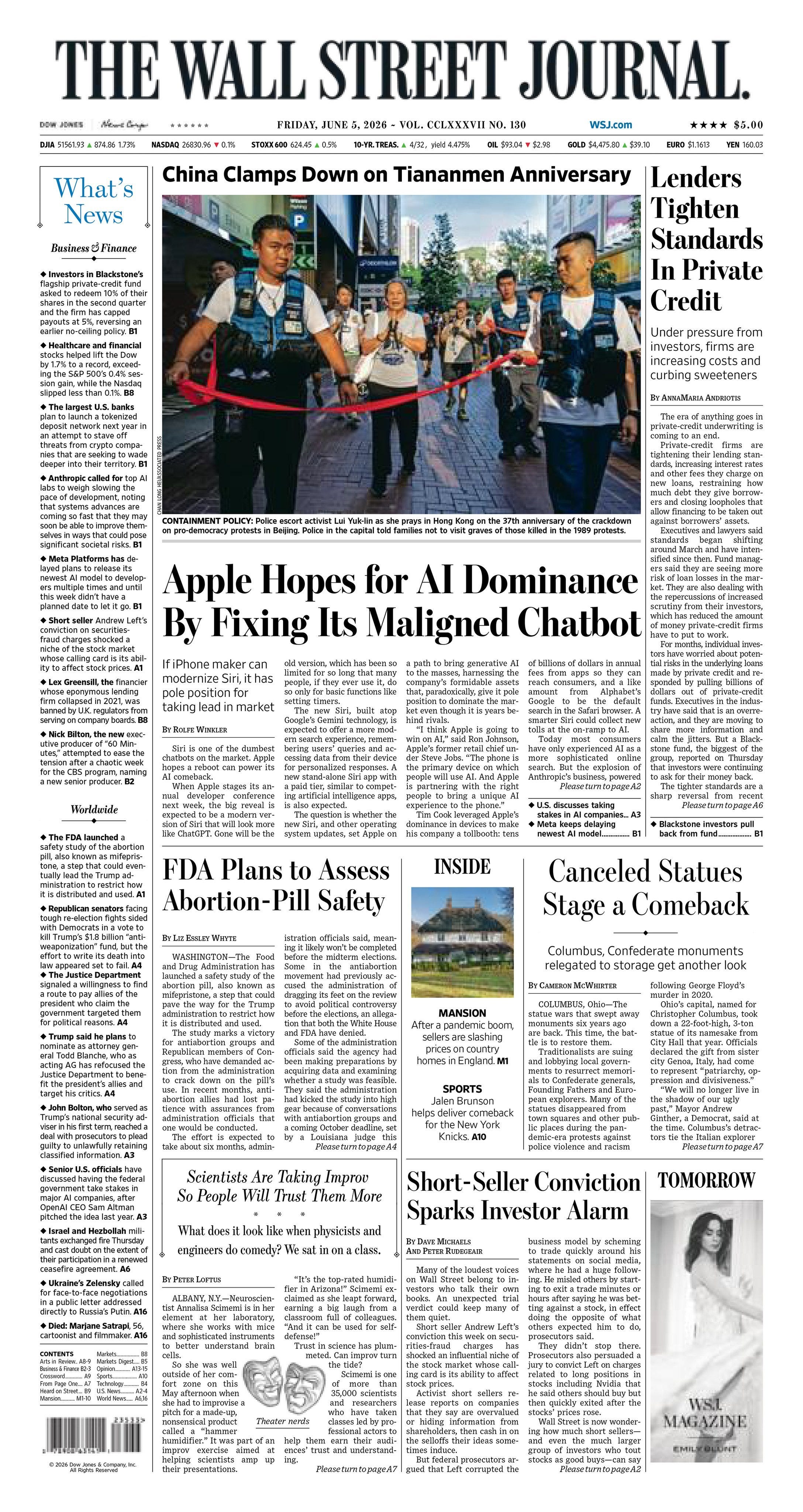

A useful piece—worth adding the logic Tokyo may be following. Japan likely has its own reason not to cut ties with Moscow entirely: the deeper Russia sinks into Beijing's orbit, the worse for Tokyo, which would rather Moscow keep some independent room to maneuver than become China's junior partner on Japan's doorstep. A thin channel—cultural, energy, consular—is one way to avoid pushing Russia fully into China's arms. The reported visit of Akie Abe, Shinzo Abe's widow, to Moscow last year fits that pattern: personal diplomacy that keeps a line open.