🔥 World Briefing Hot Take
What we are witnessing is not just escalation - it is the migration of battlefield innovation.
The same low-cost drone tactics refined over Ukraine - from kamikaze strikes to improvised drone-delivered explosives - are now appearing across the Middle East, reshaping how non-state actors and regional powers wage war. During my visit to Israel after the Hamas attacks in October, 2023, analysts pointed to the novel use of drones to drop explosives on Israeli positions - tactics strikingly similar to methods that gained prominence on Ukrainian battlefields.
This is the uncomfortable reality of modern conflict: wars no longer stay contained. They teach, they evolve, and they travel - often faster than policymakers and battlefield planners can adapt. The Shaheds now hitting the Gulf are only the latest reminder that today’s battlefield experiment quickly becomes tomorrow’s global security threat.
Shaheds Come Full Circle - And the Gulf Is Paying the Price
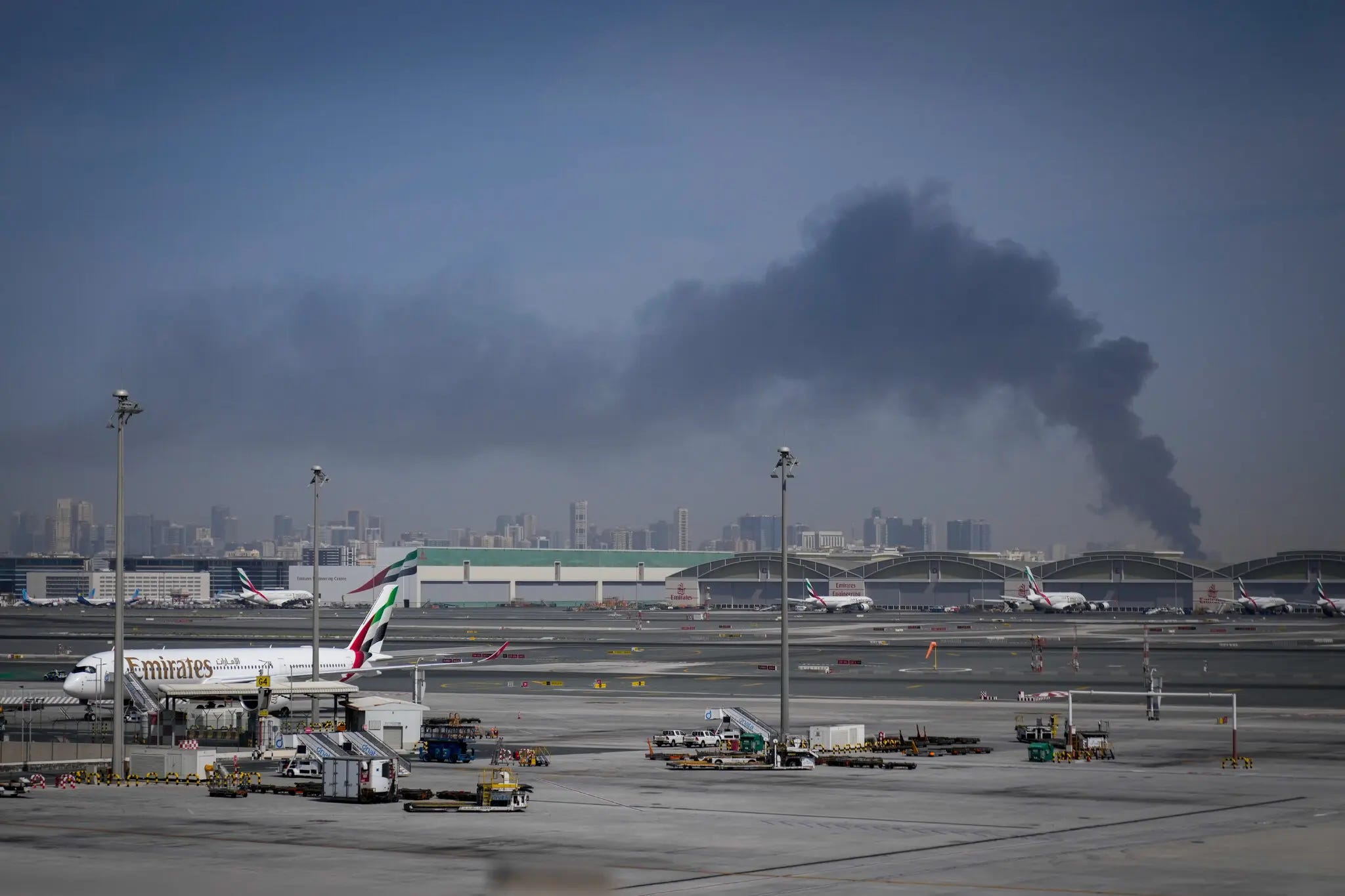
The Iranian Shahed drones that have battered Ukrainian cities since 2022 are now turning up across the Gulf - striking airports, luxury hotels and military facilities with unsettling ease. Cheap, mass-produced and costly to intercept, they have become one of the most disruptive weapons of this war era.
Years of deployment over Ukraine allowed Iran and Russia to refine tactics, scale production and test vulnerabilities in real time. The latest Shahed-136B is believed to have a range of roughly 1,550–2,485 miles and can carry heavier warheads - extending both reach and psychological impact.
For years, Gulf states - particularly the UAE - largely looked away as Iran supplied Shahed drones to Russia and welcomed members of Vladimir Putin’s circle and their fortunes. Now the consequences are landing at home. The same drones that reshaped the battlefield in Ukraine are rewriting Gulf security - a reminder that strategic complacency eventually comes with a price.
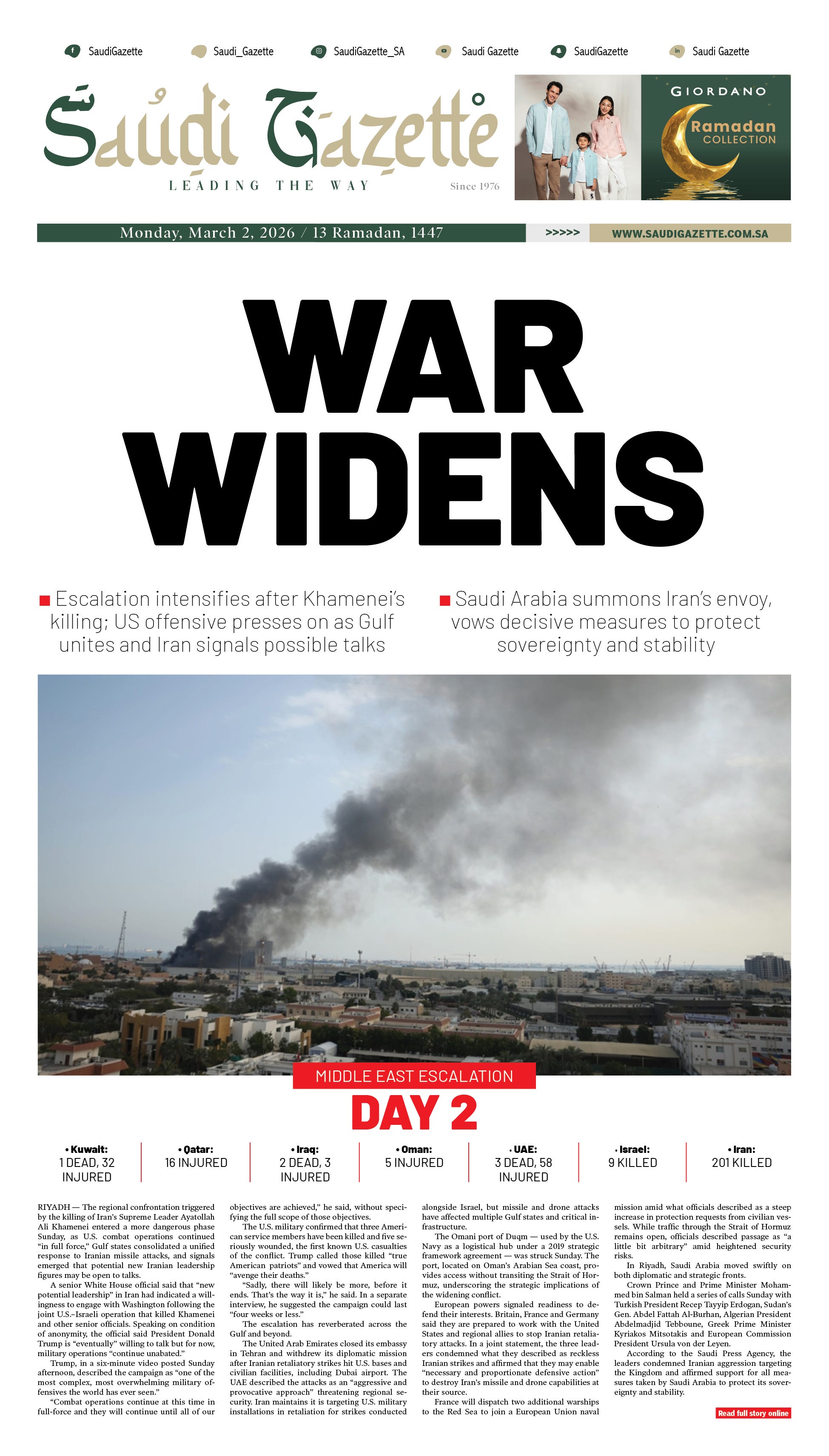
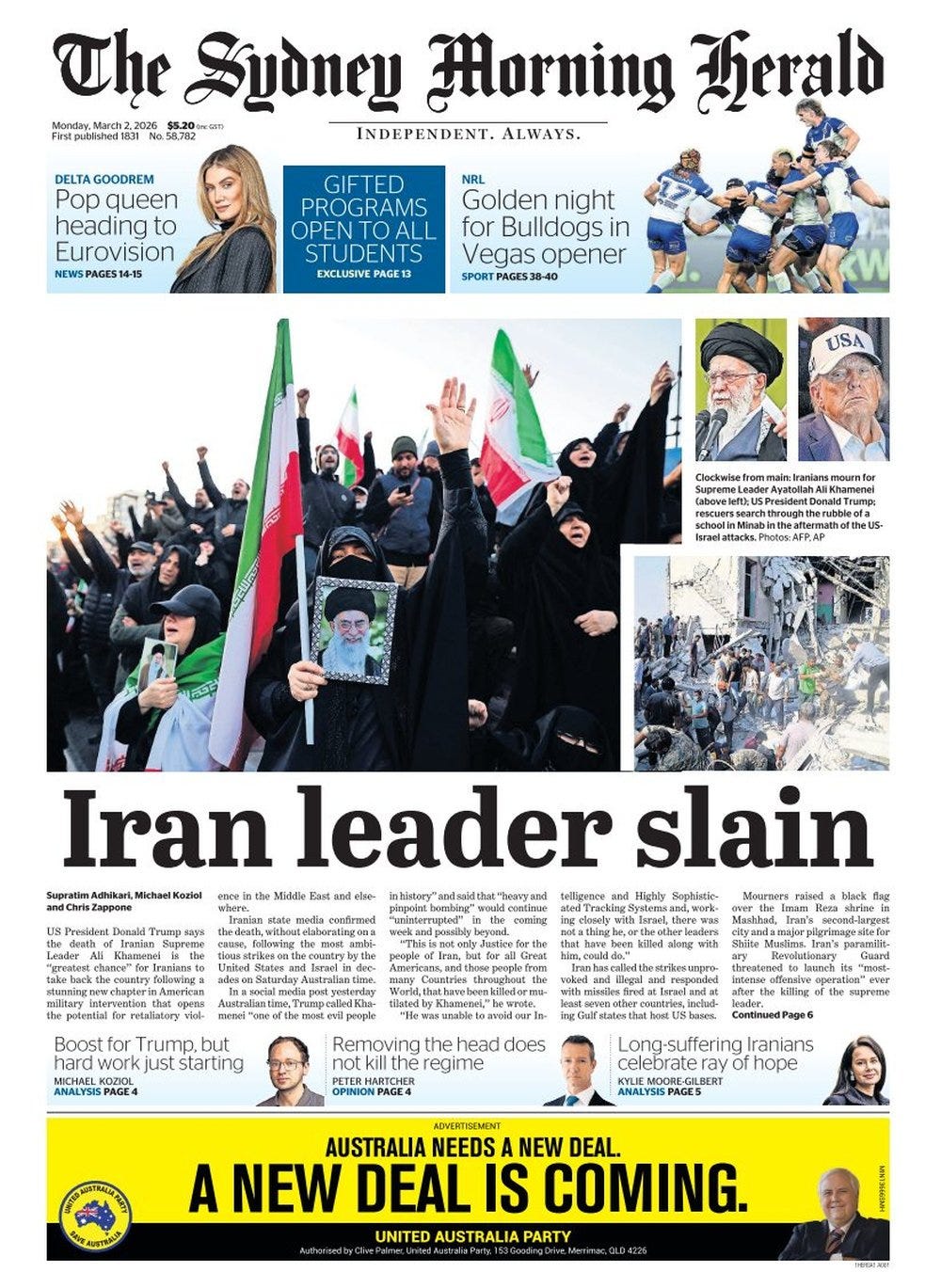
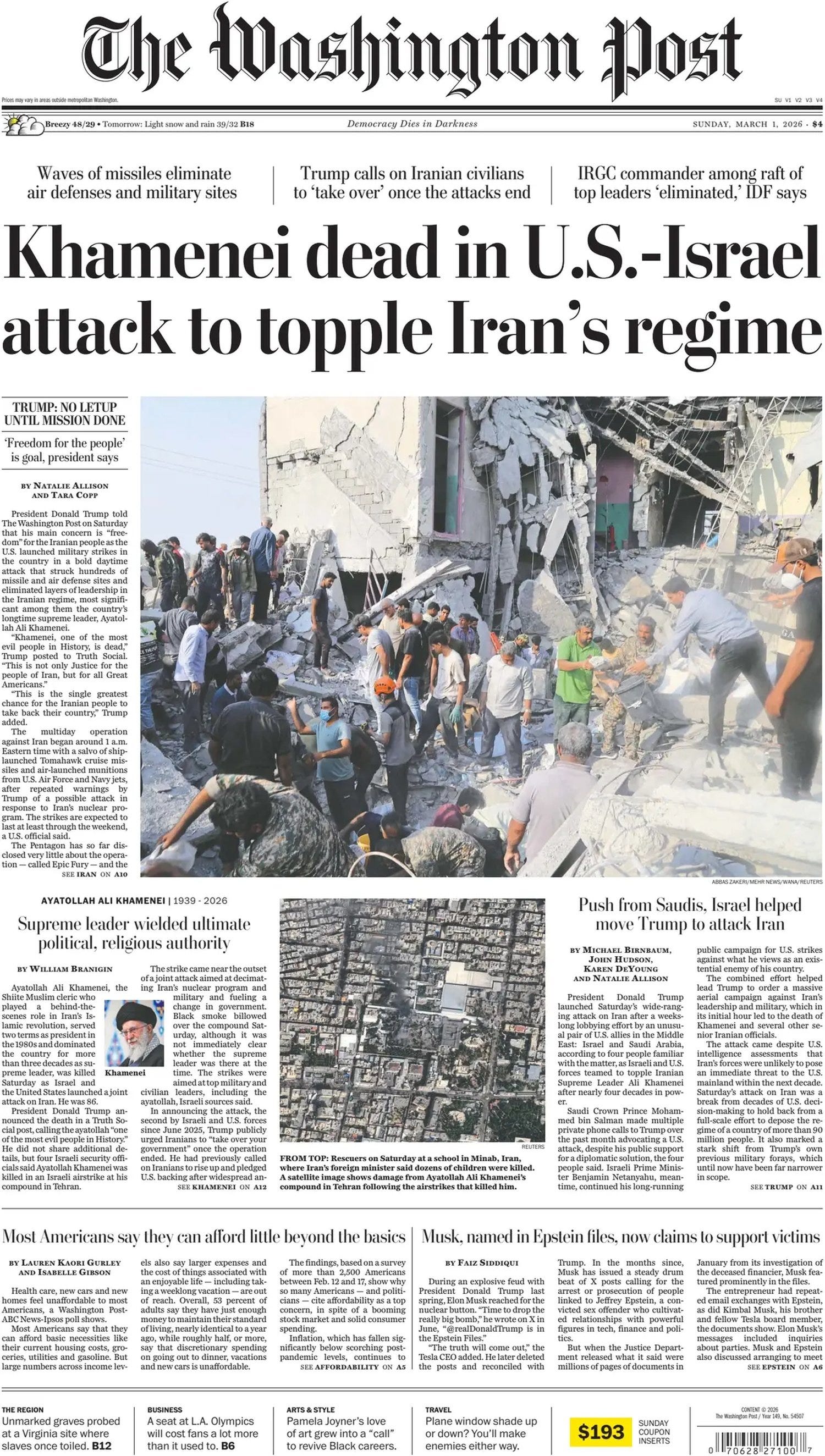
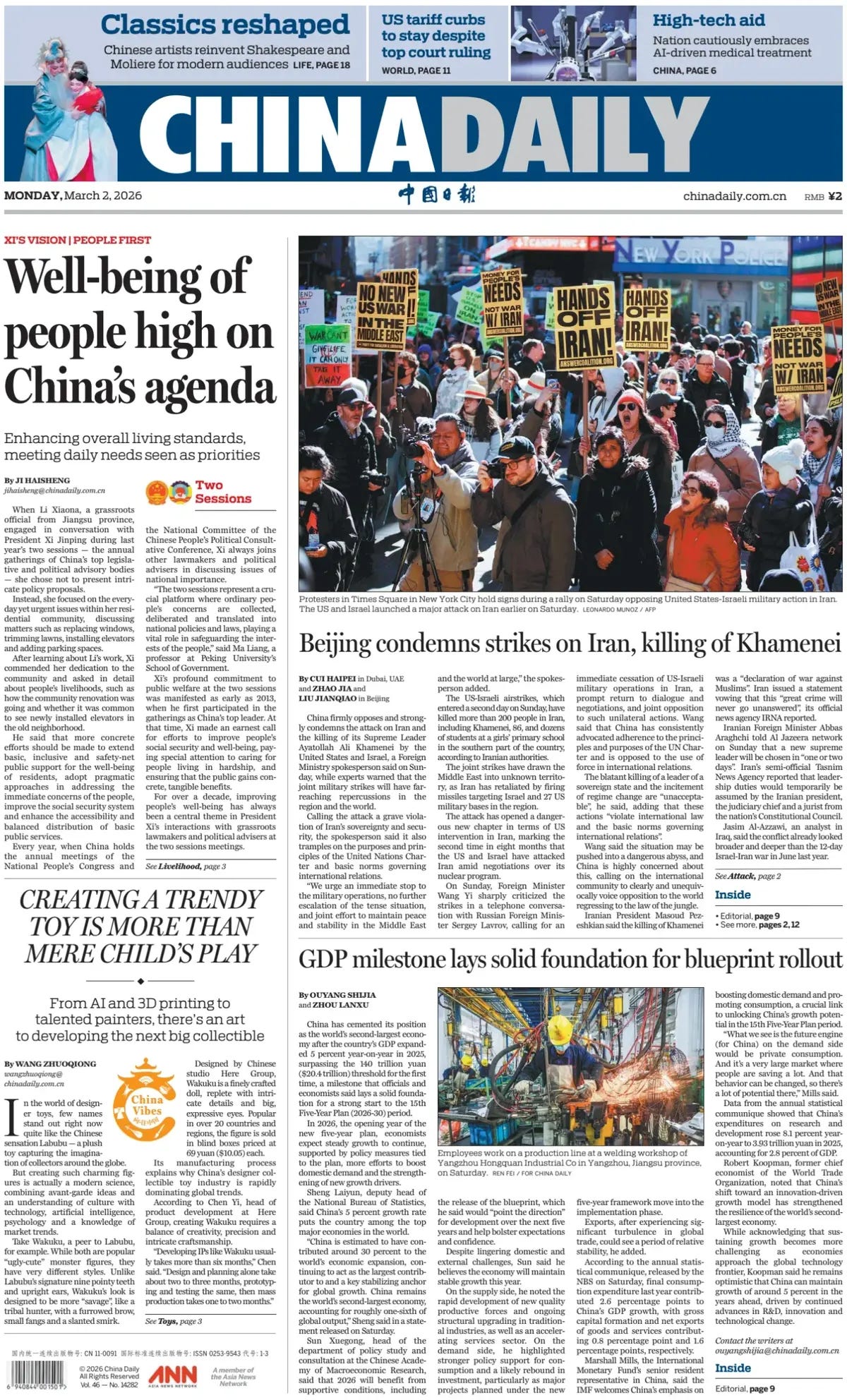
Iran targeted Israel and American allies in the Gulf on Sunday in retaliatory strikes over the killing of the supreme leader, Ayatollah Ali Khamenei, as the United States and Israel pressed on with a high-risk military campaign that analysts say could lead to a lengthy war with no clear off-ramp. Iran’s leaders vowed that Ayatollah Khamenei’s assassination would not deter them. The country’s top national security official, Ali Larijani, said an interim committee would run the country until a new leader was chosen. And he said Iran would hit Israeli and American targets “with a force they have never experienced before.” Iranian missile barrages repeatedly targeted Israel on Sunday, forcing much of the country into fortified shelters. The Israeli ambulance service said nine people were killed and nearly 30 others wounded in Beit Shemesh, a city about 18 miles west of Jerusalem, making it the worst casualty event in Israel since the conflict started. Explosions again resounded in Qatar, Bahrain, and the United Arab Emirates as local air defenses sought to repel Iranian drones. One person was killed and more than 30 were injured in the Iranian attacks in Kuwait, the country’s health ministry said on Sunday. The Israeli military said on Sunday that its air force was again bombarding “the heart of Tehran.” Videos verified by The New York Times showed two huge plumes of gray and white smoke rising over Tehran as airstrikes resumed. HRANA, an Iranian rights group based in Washington, said late Saturday that at least 133 civilians had been killed and 200 others wounded in the strikes. Iranian state media reported that dozens of children had been killed at a girls’ elementary school near a naval base. The U.S. and Israeli militaries did not comment. The casualties from the conflict could not be independently confirmed. Across the region, many were still trying to understand the extent of the fallout from the stunning events since early Saturday, which began with a surprise U.S.-Israeli attack on Iran and ended with President Trump’s announcement that the ayatollah was dead. While some ordinary Iranians celebrated the end of Mr. Khamenei’s authoritarian rule, his death also created deep uncertainty about Iran’s future. Israeli and American officials are hoping the attacks on Iran’s leadership, military, and missile program will degrade the country’s ability to fight back, but a more vulnerable Iran could also be more unpredictable - NYT
Three US service members were killed in action and five others seriously wounded as part of Operation Epic Fury, US Central Command announced. According to the United States Central Command, the casualties were confirmed as of 9:30 a.m. eastern US time on March 1. Several additional service members sustained minor shrapnel injuries and concussions and are being evaluated and returned to duty. Major combat operations remain ongoing and response efforts continue, officials said. “The situation is fluid,” Centcom said in a statement, adding that out of respect for the families, the identities of the fallen will be withheld until 24 hours after next of kin have been notified. No further details were immediately released - RFE/RL
Donald Trump says “there will likely be more” US casualties during operations in Iran as military activity in the region will continue until “all objectives” are achieved. But, writes the BBC’s Bernd Debusmann Jr., for Trump, each American casualty “raises the stakes domestically - where he is keen to juxtapose quick, successful and relatively clean military actions with the drawn-out conflicts of the Global War on Terror, which saw a steady trickle of US casualties in the headlines.
In the coming days, we are likely to hear that case be repeatedly made by President Trump and other administration officials.”
Democratic lawmakers voiced concern Sunday that President Donald Trump’s decision to attack Tehran could plunge the U.S. into another protracted war in the Middle East, and called on Congress to vote for a war powers resolution to define the scope of executive authority. The warnings from Democrats come as Trump, who campaigned on a promise to end “forever wars” and to focus on “America First” governing, faces the challenge of protecting the GOP’s fragile congressional majorities ahead of the midterm elections. Sen. Chris Murphy (D-Conn.) said in a Sunday morning appearance on CBS’ “Face the Nation” that the Trump administration’s plan is “destined to fail,” warning that U.S. intervention could lead to an even more hard-line regime filling the power vacuum left by Khamenei’s killing. “What are we getting out of this? We’re not getting regime change to a democracy. We’re not going to eliminate their nuclear program. We are going to have regional war breaking out,” Murphy told host Margaret Brennan. Sen. Mark Kelly (D-Ariz.) said Sunday on NBC’s “Meet the Press” that “eliminating things and fully taking out a capability is really challenging without putting people there on the ground,” casting doubt on the Trump administration’s ability to successfully pursue its goals in Iran with limited airstrikes - Politico
Iran’s Foreign Minister Abbas Araghchi says state institutions in Iran functioning and the country “has constitutional procedures in place”. “You may see the selection of a supreme leader in a day or two,” said Araghchi. Meanwhile, Israeli opposition leader Yair Lapid has said that the killing of Iran’s supreme leader ensures that Israel remains safe. “What we are going a do is to keep doing what we are doing in Iran in order to make sure the Israelis are safe,” Lapid said. “The death of Khamenei is just 35 years too late.” - Al Jazeera
Azerbaijani soldiers are waiting at the Astara border crossing between Iran and Azerbaijan for people who have fled the conflict in Iran. The ones who made it to the border are greeted and welcomed with water, hot tea, and food, including dates, biscuits, and sandwiches. They are then escorted to border control before continuing their travels, and eventually, they will be able to return to their countries of residence. Reports suggest that most travellers are Azerbaijanis choosing to return home. Meanwhile, as of today, the number of foreign nationals leaving the troubled country stands at 50, including 18 Saudi Arabian diplomatic personnel, 6 Emiratis, 10 Qatari diplomatic personnel, 1 Italian, 4 Jordanians, one family of 5 from Tajikistan, 3 from Bangladesh, and 18 Chinese nationals.
Other countries that have used the corridor include Poland, India, Bangladesh, Pakistan, Nepal, Brazil, Tunisia, and France - Euronews
Belgium’s special forces boarded and seized an oil tanker from the “shadow fleet” Russia uses to circumvent Western sanctions over the war in Ukraine, the government said on Sunday. Deputy Prime Minister Maxime Prevot said the vessel was intercepted in the North Sea during an overnight operation. Belgian Defense Minister Theo Francken said the intercepted tanker was intercepted in Belgium’s exclusive economic zone and “being escorted to the port of Zeebrugge, where it will be seized.” Prosecutors identified the ship, which was said to be on its way back to Russia, as the “Ethera.” A spokeswoman for the Belgian federal prosecutor’s office said the ship captain, a Russian national, was being questioned by investigators. The tanker flew the flag of Guinea, but an on-board inspection confirmed suspicion that it was sailing under a false flag, they said. “Ship documents were found that are suspected of being false,” the federal prosecutor’s office said in a statement, adding that authorities have opened a criminal investigation. “If a ship sails under a false flag, this means that it does not comply with several international regulations,” the statement added. French President Emmanuel Macron confirmed on X that French naval forces assisted in the operation, calling it a “major blow” to Russia’s so-called “shadow fleet.” Russia has used a flotilla of aging tankers of opaque ownership to get around restrictions on its lucrative crude exports imposed over its 2022 all-out invasion of Ukraine. The Belgian defense ministry said the seized tanker was on the European Union’s sanction list. The European Union has blacklisted hundreds of vessels in a bid to sap Moscow’s war chest. “Sanctions only matter if they are enforced. Today, we enforced them,” Prevot said - AFP
China’s carmakers are reigniting a fraught price war in a bid to reverse a slump in sales. Faced with swelling inventories, several auto brands announced post-Lunar New Year incentives that reflect “mounting pressure across the industry,” Caixin wrote, with foreign brands like Tesla also joining in on the price cuts. Car sales in the largest global auto market fell 14% in January year-on-year as government subsidies dried up. But some brands might be reluctant to partake in another price war given regulatory scrutiny from Beijing aimed at curbing so-called “involution,” a race-to-the-bottom competitive spiral. Chinese carmakers’ challenges extended to Europe: They have made deep commitments on the continent, but their share of the regional market dipped in January - Semafor
An Australian influencer is facing backlash after sharing what critics called a “selfish” reaction to escalating violence in the Middle East. Louise Starkey posted an Instagram video on Saturday from Dubai showing what appeared to be an Iranian missile streaking through the skyline. As the projectile descended, in a bathrobe she anxiously told her followers, “It’s not meant to be happening here,” before adding, “Can’t everyone just chill out?” While some viewers sympathized with her fear as tensions mounted, others blasted her comments as tone-deaf. “‘Not meant to be happening here’ has to be one of the most selfish statements I have ever heard. As if it’s meant to happen anywhere. But am I surprised? Really, REALLY NOT,” a commentator wrote on the viral video. According to the United Arab Emirates Defense Ministry, three people have been killed and 58 injured in strikes within the Emirates - The Daily Beast
The journals…