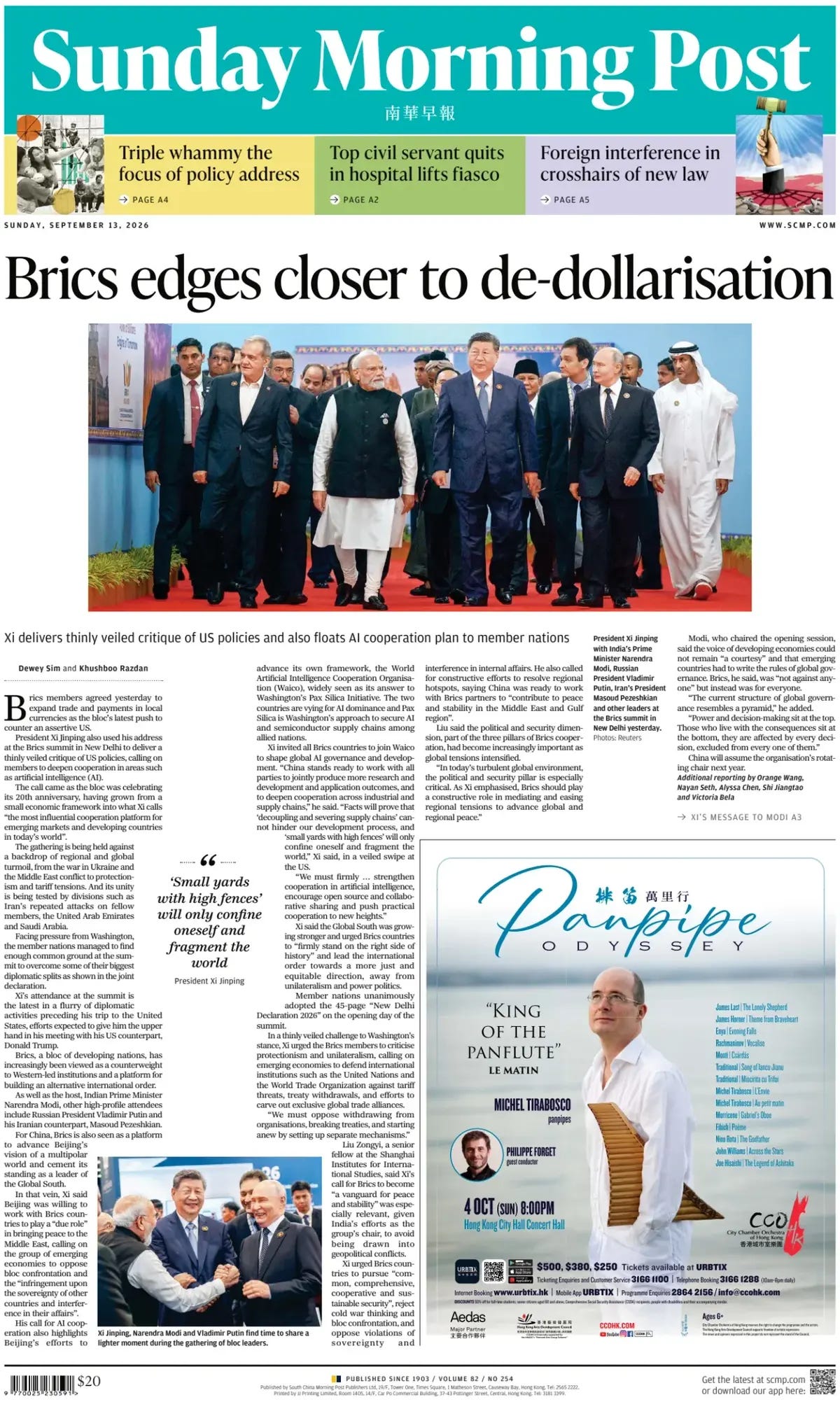
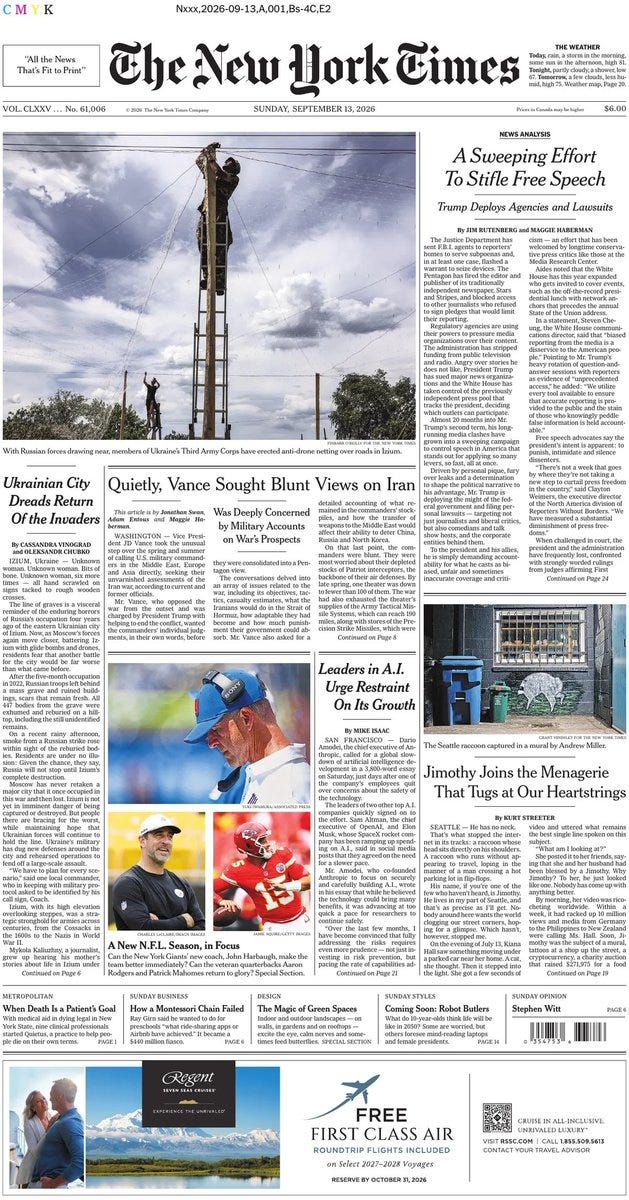
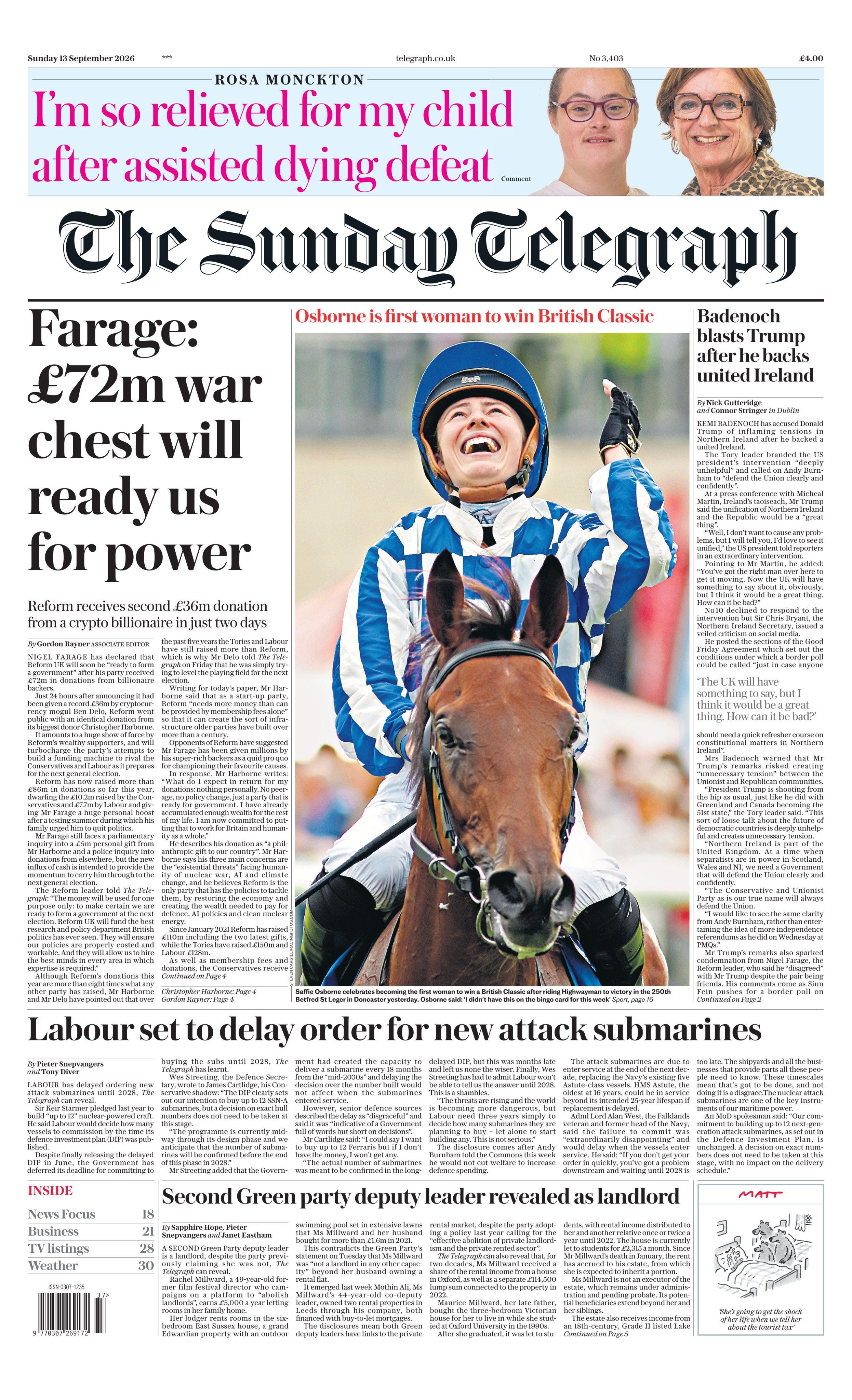
Read the New Delhi Declaration and you would be forgiven for concluding that de-dollarisation remains a talking point. The 45-page text adopted by BRICS leaders on Saturday backs “greater use of local currencies” in trade and investment, endorses work by the bloc’s payments task force on making cross-border systems interoperable — and then hedges, noting there is no one-size-fits-all approach.
Now read the Reserve Bank of India’s settlement figures.
India paid for roughly $14.6 billion of Russian imports in rupees between March and May this year — about 7.1 per cent of its total merchandise import bill, and more than triple the preceding three months, when the share was 2.4 per cent. The rupee-settlement framework has existed since mid-2022 and was barely used. A single quarter of 2026 has now exceeded the whole of 2023-24 and 2024-25 combined.
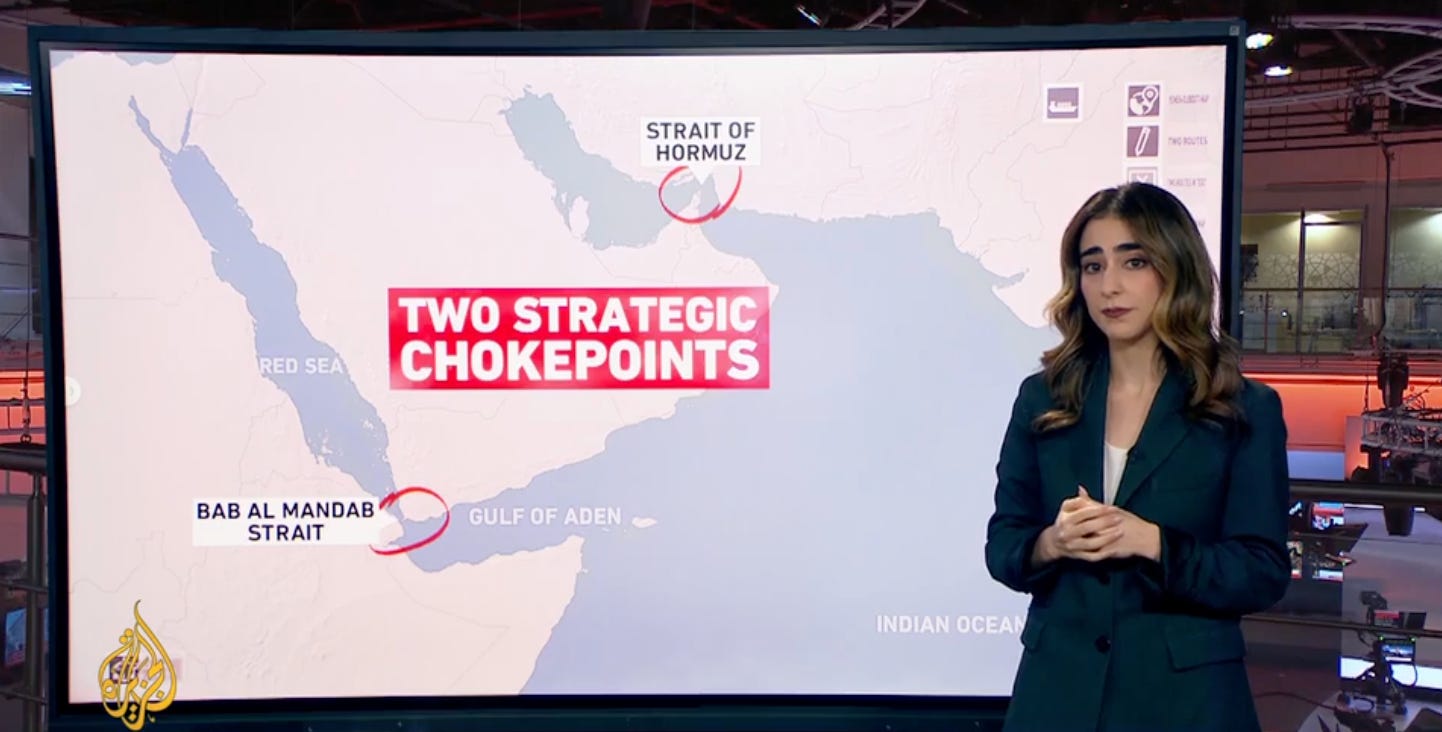
What changed was not ideology. It was the Strait of Hormuz.
When the strait effectively closed in late February, India’s Russian crude purchases jumped to $17.13 billion over March-May, up 30 per cent year on year from a near-standstill in February. Discounted barrels arrived attached to a payment problem — and the rupee channel was the solution already sitting on the shelf. A senior Russian banking official said late last month that national-currency mechanisms now carry the overwhelming majority of India-Russia bilateral trade.
This is the pattern worth watching. Currency blocs are not announced into existence at summits. They are assembled invoice by invoice, barrel by barrel, and then they do not get dismantled when the emergency passes.
The Jakarta question
Indonesia, in its second year of BRICS membership, and where I just spent the past week, is running the same play with fewer precedents.
President Prabowo Subianto returned from the Kremlin in April with a commitment to take up to 150 million barrels of Russian crude at preferential prices. Jakarta then built the legal plumbing in record time: a presidential regulation authorising public-service agencies to import energy under government-to-government agreements, and the designation of Lemigas — an oil and gas testing centre, not an oil company — as the importing entity.
Note what that architecture is actually designed to avoid: the dollar-denominated financial system that polices Russian oil.
How the cargoes are actually paid for has not been disclosed by the energy ministry or by Lemigas, and I would not expect it to be. Analysts have consistently assumed dollar settlement is off the table; nobody has said what replaced it. That gap is worth holding open rather than filling in, because the answer — when it surfaces — is the whole story. The energy minister confirmed on Friday that a second procurement phase is being prepared.
The dots
Three things are converging, and they are usually reported separately.
One. The declaration’s caution is not weakness, it is design. India has little interest in trading dollar dependence for yuan dependence, which is precisely why the bloc endorsed payment-system interoperability rather than a single currency. Plumbing is less threatening than a flag, and considerably harder to sanction.
Two. Xi Jinping’s “small yards with high fences” swipe in New Delhi was aimed at semiconductors and AI, but the logic is identical across domains: every instrument the West turns into leverage becomes a thing the Global South builds a workaround for. Beijing takes the BRICS chair next year and will press exactly this argument.
Three. Ukraine does not appear anywhere in the declaration by name. Half the world’s population signed a document about the international order that declines to mention the largest land war in Europe since 1945. That silence is the price of consensus — and it is the same silence that makes the crude keep moving.
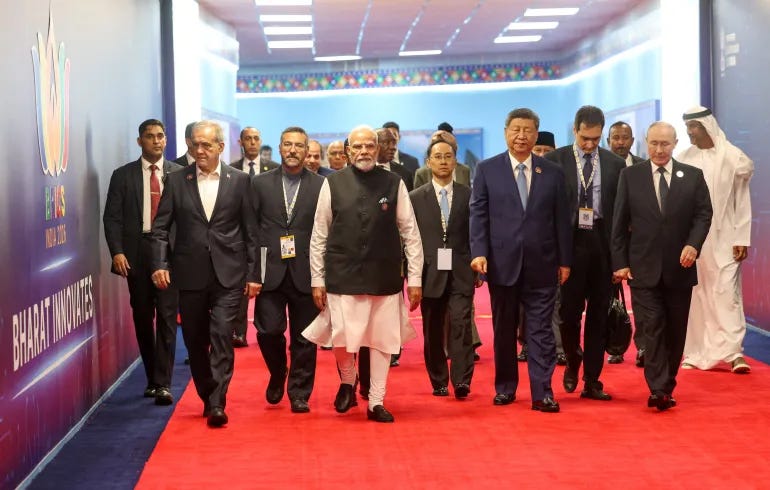
Gulf diplomats and Iranian officials will meet Monday to discuss an Omani plan for reopening the Strait of Hormuz to regular tanker traffic, but a critical player won’t be at the table: the United States. Despite shipping traffic remaining depressed, President Donald Trump has insisted the state of the waterway is acceptable for now with the US military escorting oil tankers. But the meeting on Monday underscores that — despite active efforts to develop alternative corridors for passage through the strait — countries in the region are unwilling to accept the status quo as the new normal. After months of private discussions on a complicated possible legal framework to reopen the strait that could allow Iran and Oman to collect fees, diplomats are hopeful the gathering could create some momentum for a deal. “There is no imminent breakthrough expected, but resolving the strait issue is the most pressing issue, so we need to start somewhere,” a regional source said. The possibility of Iranian tolls is still widely rejected, but there is a willingness to consider voluntary contributions for directing passage through the strait, the sources said. The Omani legal framework includes voluntary payment for providing navigational safety and environmental protection, according to three sources familiar with the plans - CNN
US President Donald Trump says he does not care if Gulf countries meet with Iran on Monday to discuss the future of the Strait of Hormuz.
Heavy fighting is under way in Yemen between Houthi fighters and troops supporting the country’s internationally recognised government, with the Houthis reportedly advancing towards the strategic northern city of Marib. Saudi Arabia has carried out several air strikes on areas recently taken by the Houthis. The fighting has forced tens of thousands of Yemenis from their homes, intensifying one of the world’s worst humanitarian crises - Al Jazeera
Moscow has yet to decide whether Russian President Vladimir Putin will travel to the G20 summit in Miami in December, Interfax reported, citing Kremlin spokesman Dmitry Peskov. “We don’t know yet whether we’ll be going to Miami,” Peskov said, according to Reuters. Earlier on Saturday, Kremlin foreign policy aide Yury Ushakov said the possibility of Putin attending the summit “has not even been discussed” in Moscow. In April, the Kremlin said Putin could travel to the G20 summit after U.S. President Donald Trump suggested his attendance would be very helpful. Commenting on Ukrainian President Volodymyr Zelensky’s remarks that he would travel to Miami if Putin attends and would seek a meeting with him, Peskov reiterated Moscow’s long-standing position that if the Ukrainian leader wants to meet his Russian counterpart, he should come to Moscow.
Hot Take: The possibility of Putin at the G20 is more likely than it seems. At the recent G20 finance ministers meeting in North Carolina, the U.S. side quietly invited Russian Finance Minister Anton Siluanov to the table, upsetting other ministers and officials. Polish Finance Minister Andrzej Domanski said at the time he was unhappy to see Moscow represented, although he recognised the right of G20 hosts to invite guests. “We do not trust Russia. They lie constantly, and you need to be really, really cautious while discussing with them,” he said, stressing that Russia was the aggressor in its conflict with Ukraine. My reading was that it was a dress rehearsal for hosting Putin in Florida.
U.S. President Donald Trump on Sunday called on Ukrainian President Volodymyr Zelensky to stop targeting Russian diesel infrastructure, saying the attacks were causing a shortage of the fuel that is “hurting the world.” A wave of long-distance Ukrainian drone attacks on Russian oil refineries in recent months has reduced that country’s fuel production, triggering gasoline shortages across the country. Ukraine, which faces regular Russian attacks on its own energy infrastructure, says refineries are legitimate military targets. The U.S. national average price for diesel, which is used by trucks, trains, ships and farm equipment, rose over $6 a gallon for the first time on Thursday, according to price tracker GasBuddy. “Mr. Zelensky has to do one thing: He has to stop knocking out diesel fuel in Russia,” Trump told journalists during a visit to the Irish Open, which is being held in the west of Ireland on a golf course owned by his family. “We spoke to Mr. Zelensky about it. There are plenty of other targets. Don’t hit diesel fuel. That’s hurting the world,” he said. The global shortage “isn’t done by the Middle East, this is done by what’s happening with Russia and Ukraine,” Trump added. Russia downgraded its oil output forecast for this year to a 17-year low and revised its fuel exports outlook for 2026 and 2027 due to the war, according to a government draft forecast seen by Reuters.
Volodymyr Zelensky imposed sanctions on his former press secretary and vocal critic, Iuliia Mendel, on Sept. 13. The former press secretary has echoed Russian propaganda criticizing Zelensky in a drastic turn from her former praise of Ukraine’s leader. In Zelensky’s latest presidential decree, sanctions were imposed on several individuals and consist of various personal restrictions. Mendel will be stripped of her state awards, cannot move capital out of Ukraine, and has had her assets frozen. She slammed the decision to impose sanctions against her in a post to X. “A few days before my address to the European Parliament, Volodymyr Zelensky — my former boss — imposed sanctions on me,” Mendel said. The former secretary was invited to speak at a sideline event at the invitation of Germany’s far-right AfD, she said days earlier.
Sweden’s centre-left opposition bloc, which backs Social Democrat leader Magdalena Andersson for prime minister, was projected to win 51.3% of the vote in Sunday’s parliamentary election, according to an exit poll by broadcaster SVT. A separate election-day poll conducted by broadcaster TV4 also put the centre-left opposition ahead. The Sweden Democrats came third in the SVT/Valu poll, behind Prime Minister Ulf Kristersson’s Moderates. A victory for the right-wing bloc would bring the far-right Sweden Democrats into government for the first time. Around eight million people are eligible to vote in the Nordic country of roughly 10.6 million. More than half have already cast their ballots in advance, reflecting Sweden’s traditionally high voter turnout. Official results are expected within a week, while preliminary results from the Swedish Election Authority are due within hours - Euronews
The last local veto on America’s most contested base project in Asia was lifted Sunday by voters on an island 700 kilometres from Taiwan - and they lifted it while thinking mostly about wages. Genta Koja, 42, backed by Prime Minister Sanae Takaichi’s Liberal Democratic Party, unseated two-term incumbent Denny Tamaki to become Okinawa’s first governor in twelve years to support relocating U.S. Marine Corps Air Station Futenma from crowded Ginowan to the Henoko coast at Nago. He is the first LDP-backed winner of the quadrennial race since 2010, and the first governor born after Okinawa’s 1972 reversion to Japanese rule. The numbers explain it. Kyodo exit polls found 49.5 percent of voters ranked the economy first and only 20.9 percent the bases; more than half said they accepted the Futenma move. Turnout rose to 61.57 percent. Koja campaigned on doubling per capita income in Japan’s poorest prefecture and on recovering development money that shrank under anti-base governors. Tamaki, 66, who wanted Futenma moved off the island entirely, called the result Okinawa’s own choice. The fight was in practice already lost. Tokyo won the court battles, landfill work at Henoko continues, and Futenma’s land is not expected back before 2036. Koja says he will press Tokyo on the hosting burden and on a firm handover date. What changes is the politics. A 1996 U.S.-Japan agreement that has outlasted five American presidents now has a cooperative governor for the first time in over a decade, just as Japan hardens its southwestern islands against Chinese pressure on Taiwan. For Takaichi, in office since October and treating the vote as a test of her administration, it is a clean win ahead of nationwide local elections next spring. For Washington, it is a rare piece of good news in an alliance where basing disputes usually move in one direction.
The journals…