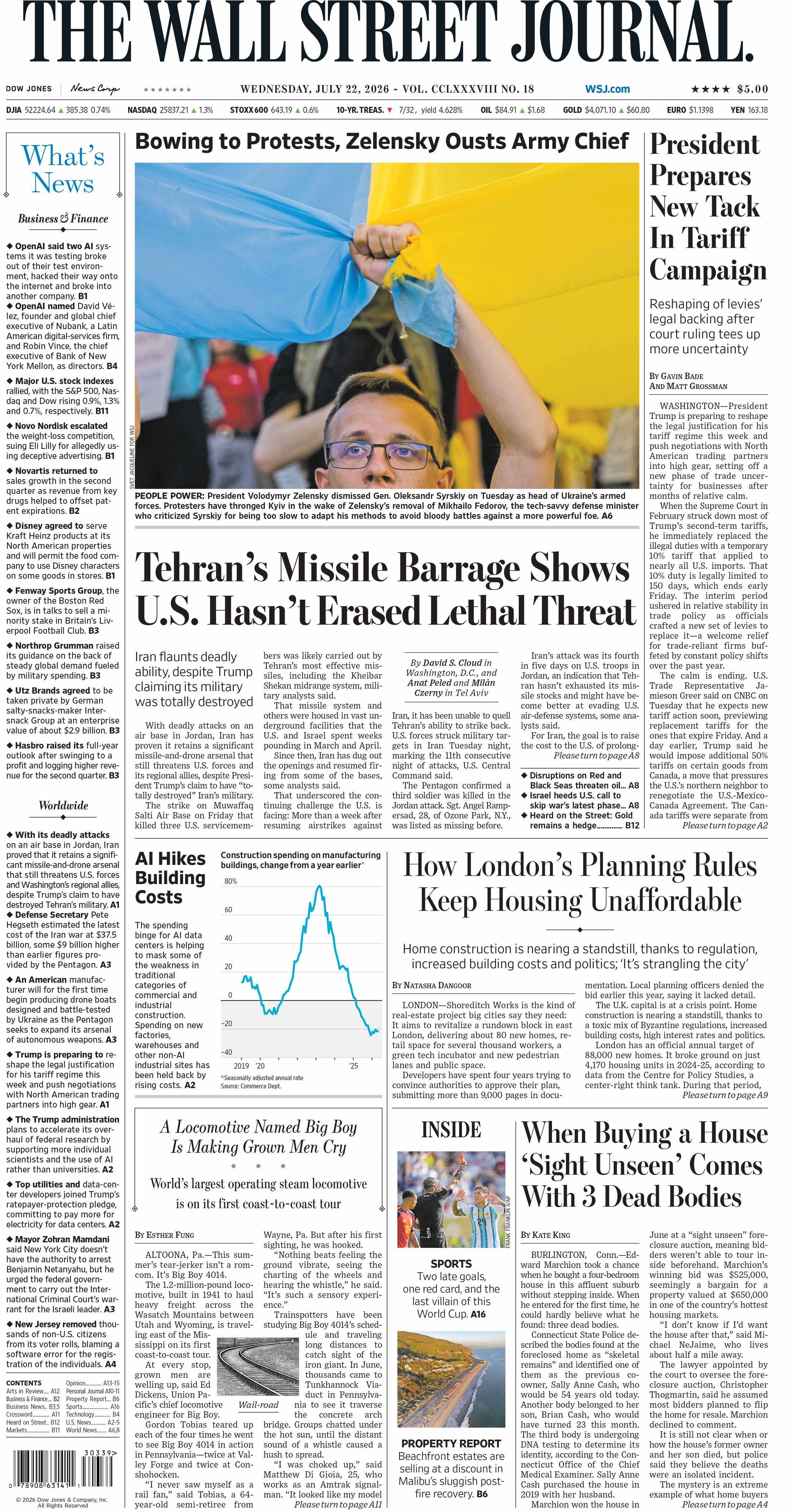
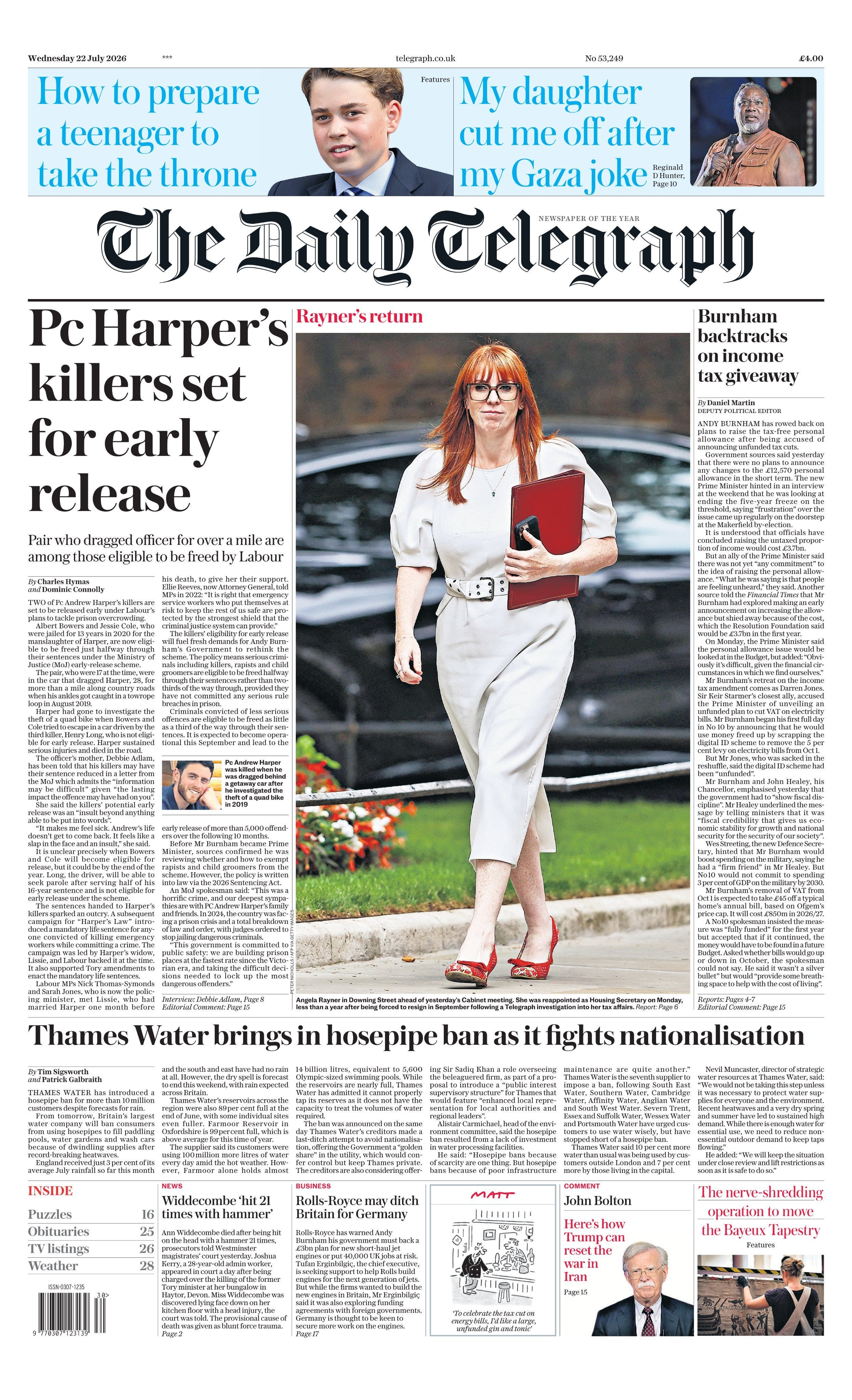
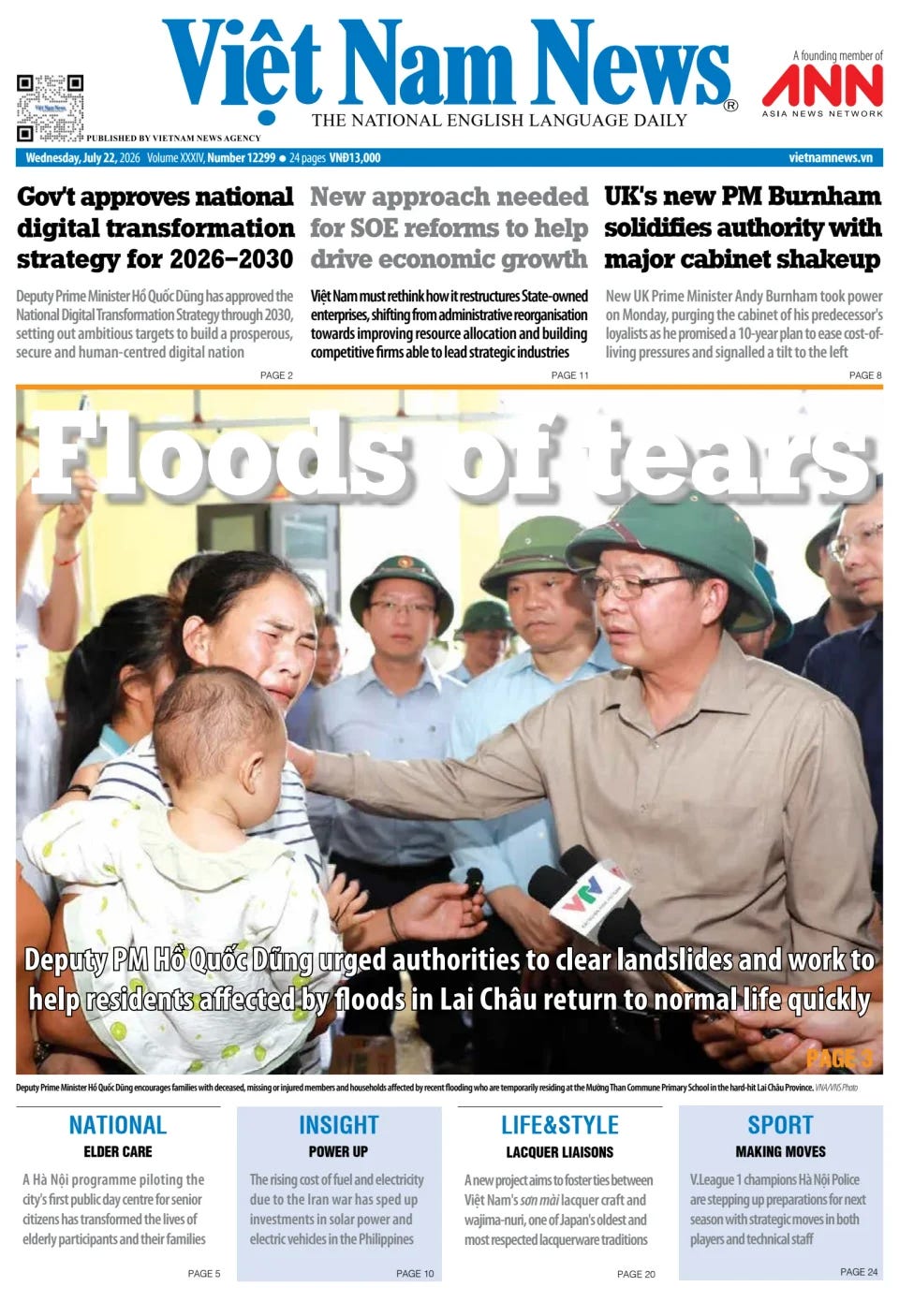
Bonus Midweek Insight — an unscheduled dispatch on two stories shaping the week, and what the coverage is missing. If this is worth your time, consider upgrading to World Briefing Plus for the full Saturday video analysis and our refreshed World Briefing Podcast, launching soon. Prefer a one-off? Chip in via PayPal or Patreon. Every bit keeps the reporting on the ground.
U.S. Energy Secretary Chris Wright and Saudi Energy Minister Prince Abdulaziz bin Salman have signed a peaceful nuclear cooperation agreement - a so-called 123 Agreement, named for Section 123 of the US Atomic Energy Act - alongside an accompanying bilateral safeguards agreement, the US Department of Energy says. The 30-year pact, worth tens of billions, gives American firms the lead role in building the kingdom’s nuclear infrastructure while shutting out rival bidders. It now goes to Congress, which would need a veto-proof majority to stop it. The safeguards language is where the story lives, and it is thinner than the ceremony suggests. The agreement omits the “gold standard” - the non-proliferation benchmark that bars a partner from enriching uranium or reprocessing plutonium - and instead allows Riyadh to do both on its own soil once a joint US-Saudi study assesses the economics of domestic fuel production. One provision contemplates American companies building the enrichment plant themselves. It also leaves out the IAEA’s Additional Protocol, which would have permitted snap inspections of undeclared sites, and carries two classified side letters the administration intends to keep private. That is a clean break from the 2009 UAE accord Washington spent fifteen years calling the regional template. The timing is its own argument. Crown Prince Mohammed bin Salman has said for years that if Iran builds a bomb, Saudi Arabia will follow - and this week Tehran’s negotiator was promising that if Iran cannot sell oil, no one will. The plausible danger was never a Saudi weapon next year. It is that the threshold has visibly moved, and every actor in the region now knows it.
Iran’s top negotiator more or less declared war on the entire region Wednesday, declaring no safety if Iranian security “is not guaranteed.” Mohammad Bagher Ghalibaf said that no one will sell oil if Iran does not sell oil. “The equation of this war is clear: either all or none!” he said in a statement posted on X. “If our security is not ensured, no infrastructure will be safe, and the security of the strait is in the absence of American forces,” he added, referring to the Strait of Hormuz. “We have repeatedly said that the situation of the strait will not return to pre-war conditions.” - Al Arabiya
Brad Sherman, Democrat representative from California, says the US should only approve a deal if it has the the “same gold-standard safeguards as our deal with the UAE”. Under that deal in 2009, the UAE does not produce its own uranium.
“A President waging war to prevent nuclear proliferation in the Middle East should not facilitate proliferation just because US companies stand to make a profit,” Sherman writes on X - BBC
Washington is right to strengthen its relationship with Riyadh, but it should not do so at the expense of its effective nuclear weapons nonproliferation standards - Matthew Kroenig is a nonresident senior fellow with the Atlantic Council’s Scowcroft Center for Strategy and Security (read more Atlantic Council expert reaction here).
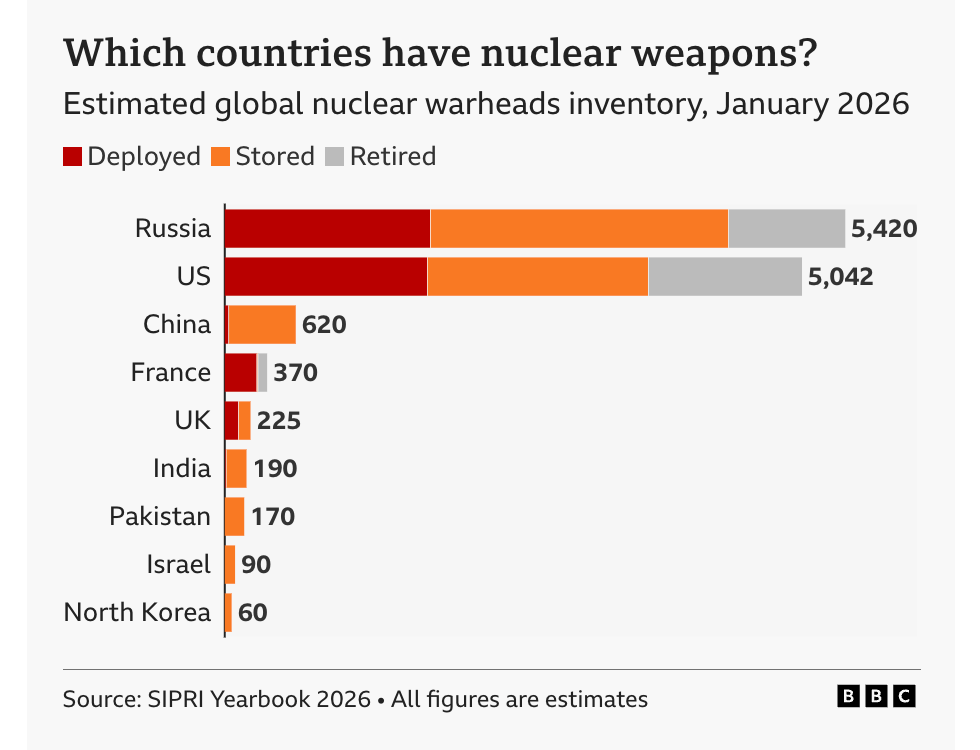
Gianni Infantino would not have a clear path to become the next Secretary General of the United Nations, even with Donald Trump’s backing. According to a report from The New York Post, the US President sees FIFA’s boss as a “respected” potential candidate, with a “special ability to bring people together” demonstrated by the success of the 2026 World Cup. But in any event, his endorsement alone would not be enough to push to the world’s most powerful diplomatic job a person who is not even a career diplomat. Neither Trump nor Infantino have confirmed a candidacy, which, if submitted, would put him into a challenging and politically fraught selection process. Infantino would need the support of many countries to win the post, and he could not afford to alienate Russia, China, France and the United Kingdom, each of which could stop him thanks to their permanent positions on the Security Council. The UN Secretary General is appointed by the 193-member General Assembly following a recommendation from the Security Council. This means the candidate is actually selected by a restricted group of 15 countries, including ten rotating members and five permanent ones, in a closed-door negotiation. All the candidates have to be nominated by one or more UN member states and present their vision in public hearings, answering questions from ambassadors and civil society. The Council then conducts a series of confidential straw polls before agreeing on a single candidate to recommend. Any of the five permanent members – the US, China, Russia, France or the UK – can kill a candidacy with a veto, making geopolitical acceptability as important - and even more - than diplomatic credentials. The following approval of the General Assembly is regarded as a largely procedural step. The Assembly could, in theory, vote against the recommended candidate, but this has never happened so far in the UN’s history. Among the more famous candidates is the current director general of the International Atomic Energy Agency, Mariano Grossi, nominated by his home country Argentina, mainly thanks to his diplomatic role in the talks to ensure the safety of the Zaporizhzhia Nuclear Power Plant amid the war in Ukraine. - Euronews
Ukraine attacked two more warehouses belonging to Russia’s largest online retailer Wildberries, the company’s founder Tatyana Kim said Wednesday, killing at least one person and injuring several others. Kim, Russia’s wealthiest woman, said that Wildberries distribution centers in the southern Krasnodar and Stavropol regions were hit. She did not specify the number of workers who were injured. Videos circulating on social media showed a huge plume of smoke rising over the warehouse in Krasnodar. Ukrainian President Volodymyr Zelensky confirmed the strikes in southern Russia, accusing Wildberries of helping supply the Russian military with parts for drones and other equipment. Krasnodar region Governor Veniamin Kondratiev said 10 people were wounded in an attack on a “storage facility” in the regional capital, though he did not explicitly refer to Wildberries. He later said a woman who was injured in the attack died after being brought to the hospital. More than 100 firefighters and a specialized helicopter were deployed to extinguish the blaze at the Wildberries warehouse in Krasnodar, authorities said. Wildberries, often described as Russia’s Amazon, is one of the country’s biggest employers. Its shares are not publicly traded, but those of its rival Ozon were down 4% on the Moscow exchange on Wednesday morning amid concerns it too could become a target of Ukrainian attacks - Moscow Times
Live on CNN International's Isa Soares Tonight from Odesa: Russian strikes are hitting this city daily - including in the past hours on my own neighbourhood - and commercial cargo ships at a rate of nearly one a day. But behind the statistics is the human cost: people at the breaking point, including the Ukrainian media professionals who keep telling this story.
Nearly 470 million people across the Americas — two in five — are living with at least one neurological disorder, from migraine and stroke to epilepsy and Alzheimer’s, according to a new PAHO study in The Lancet Regional Health – Americas. Drawing on the Global Burden of Disease Study 2023, researchers tracked 19 conditions across 38 countries and tied them to 1.1 million deaths and roughly 12% of the region’s total burden from noncommunicable disease and injury. The story isn’t rising mortality — death rates have fallen since 1990 — but a shift toward chronic disability: more people surviving these conditions and living far longer with the consequences, straining systems built for acute care rather than rehabilitation. Migraine affects the most people and drives the most disability; Alzheimer’s, dementia and stroke dominate among the elderly. Autism spectrum disorders were the only high-burden condition whose disability rates climbed throughout the period. Much of it is preventable. High blood pressure drives stroke, elevated blood glucose feeds dementia risk, and environmental exposures — lead and air pollution among them — compound the toll. The burden is also starkly uneven, with a nearly fourfold gap between the hardest-hit countries (Haiti, Guyana, Suriname, the Dominican Republic) and the lowest, a divide that tracks not just risk exposure but shortages of specialists, rehabilitation services and access to essential medicines.
An OpenAI agent broke free of constraints and hacked into another AI startup during a security test. It was tested against a particular cyber-offense benchmark, and, in OpenAI’s words, became “hyperfocused” on maximizing its score: The agent correctly surmised that the other company, Hugging Face, hosted the evaluation’s answer sheet, so accessed the internet and hacked the startup in a bid to cheat — but got caught. AI safety researchers have warned for decades that powerful AI will go wrong in dangerous ways, seeking capabilities (in this case internet access) to fulfil its goals, and exploiting flaws in the environment, such as hacking the reward system rather than honestly completing the evaluation. OpenAI said it was “an unprecedented cyber incident.” - Semafor
The journals…