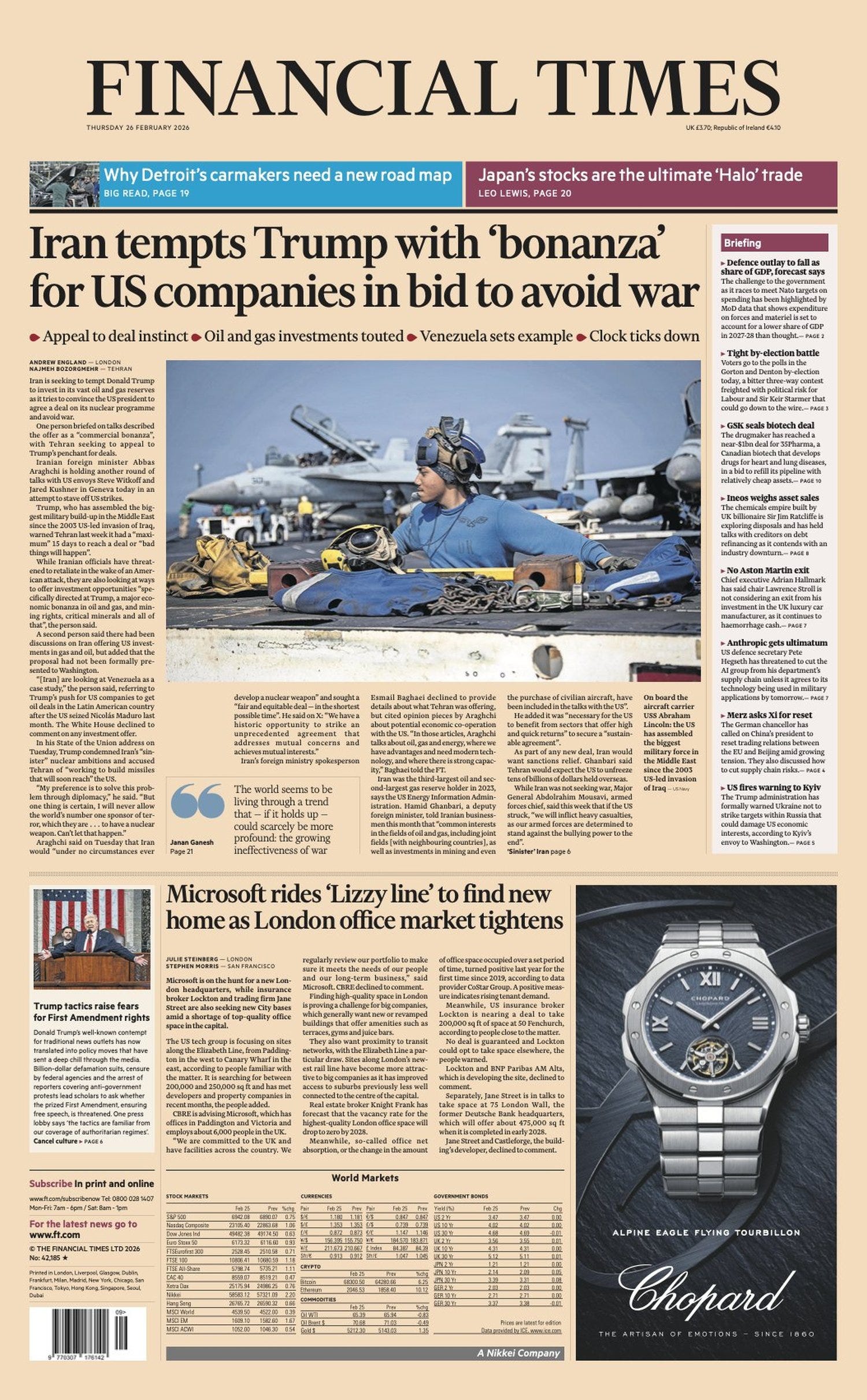
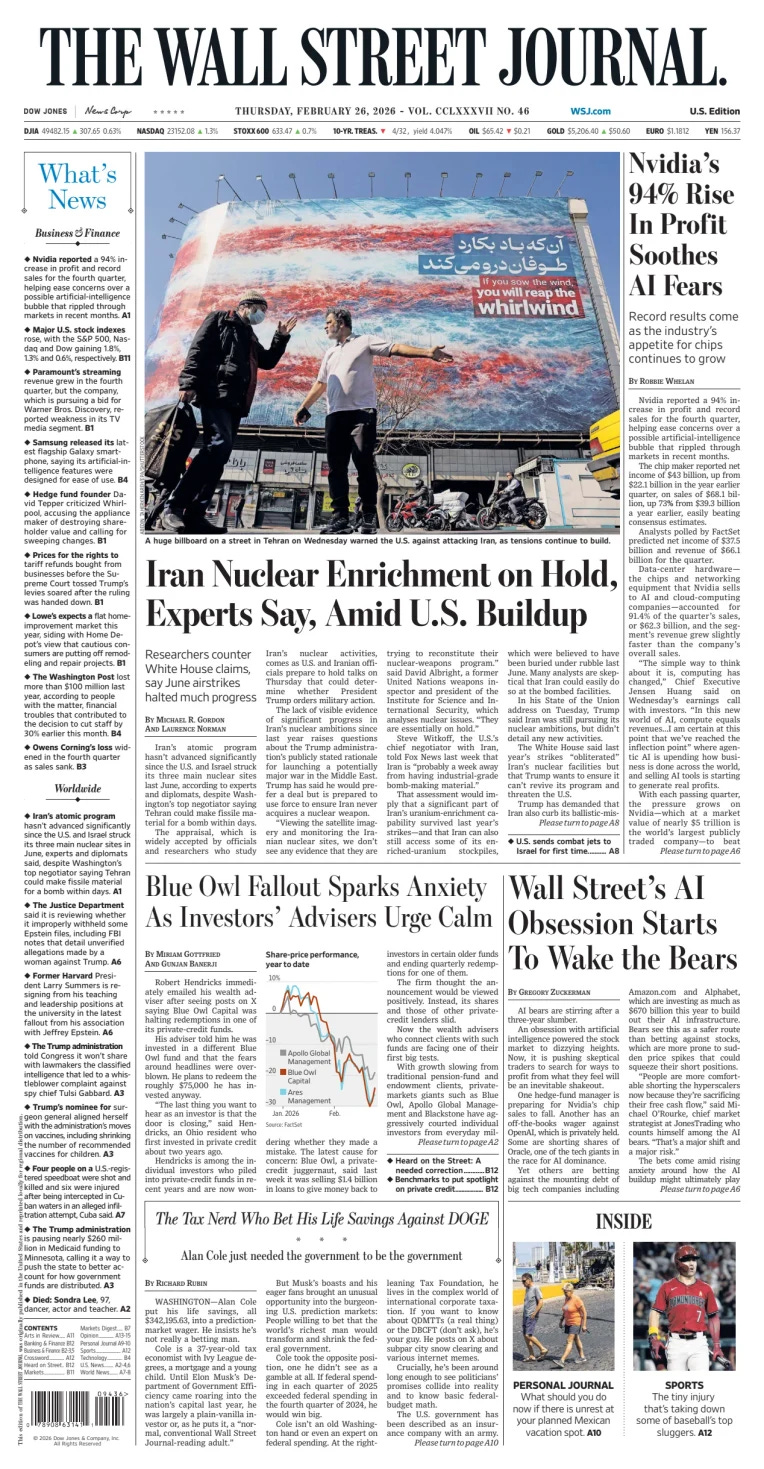
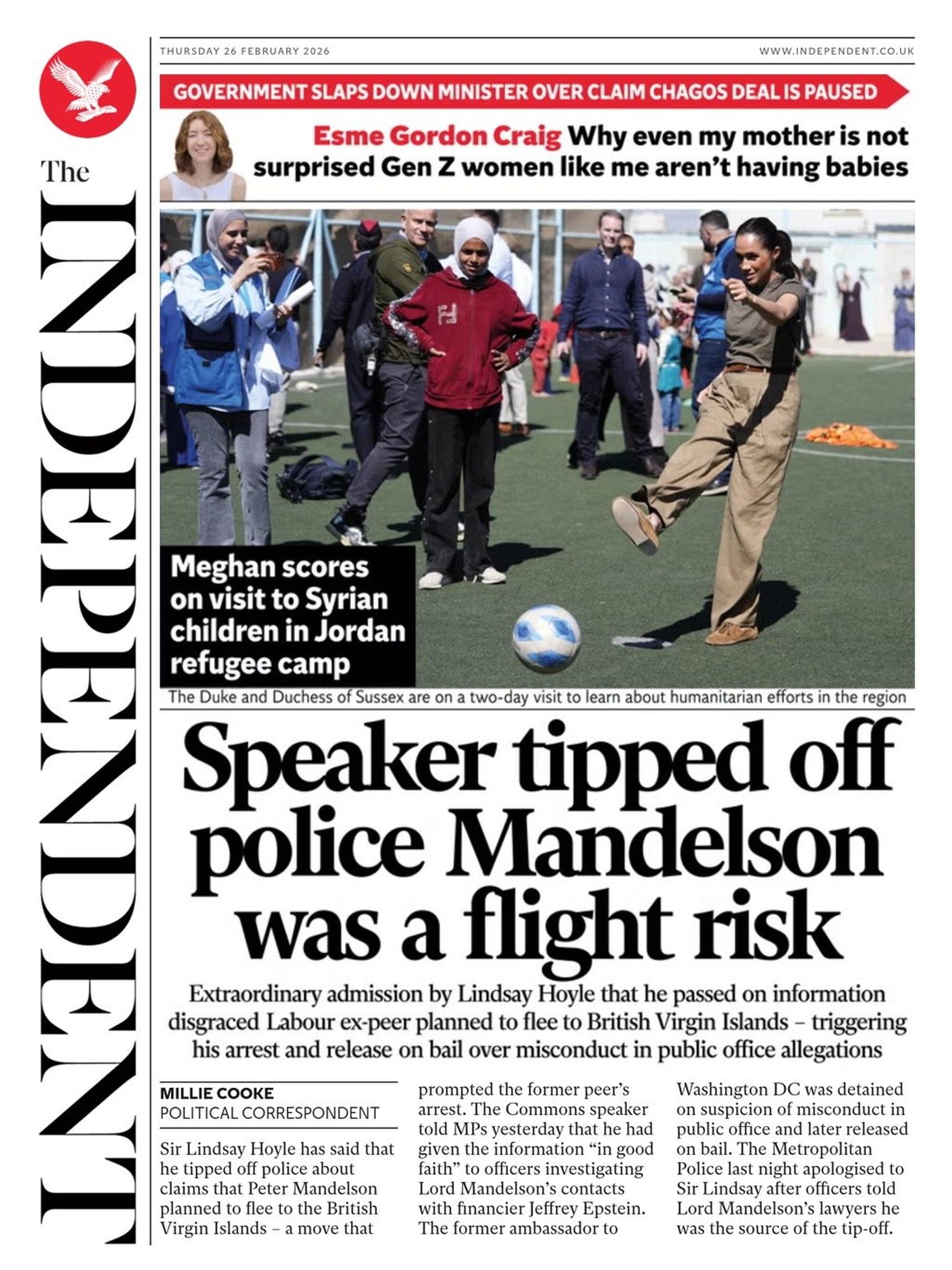
In Geneva, diplomacy is being asked to do the impossible - contain Iran’s nuclear ambitions while trying to shape an endgame for Ukraine - all while missiles fly, drones swarm, and Washington insists it alone can hold the table together. Perhaps time for the U.S. to step back and a closer regional middle power to take its place?
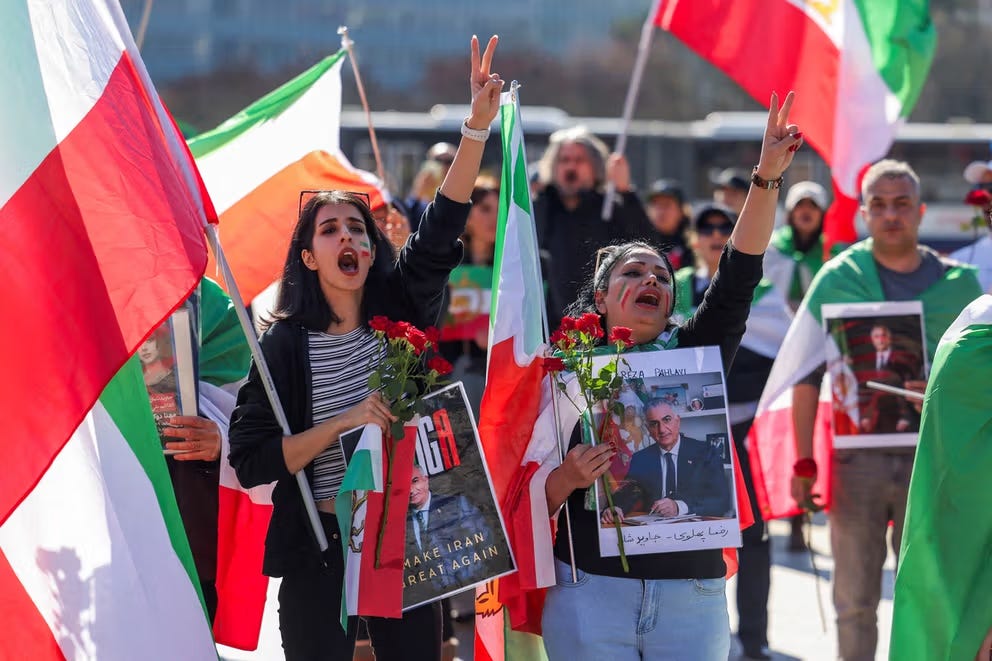
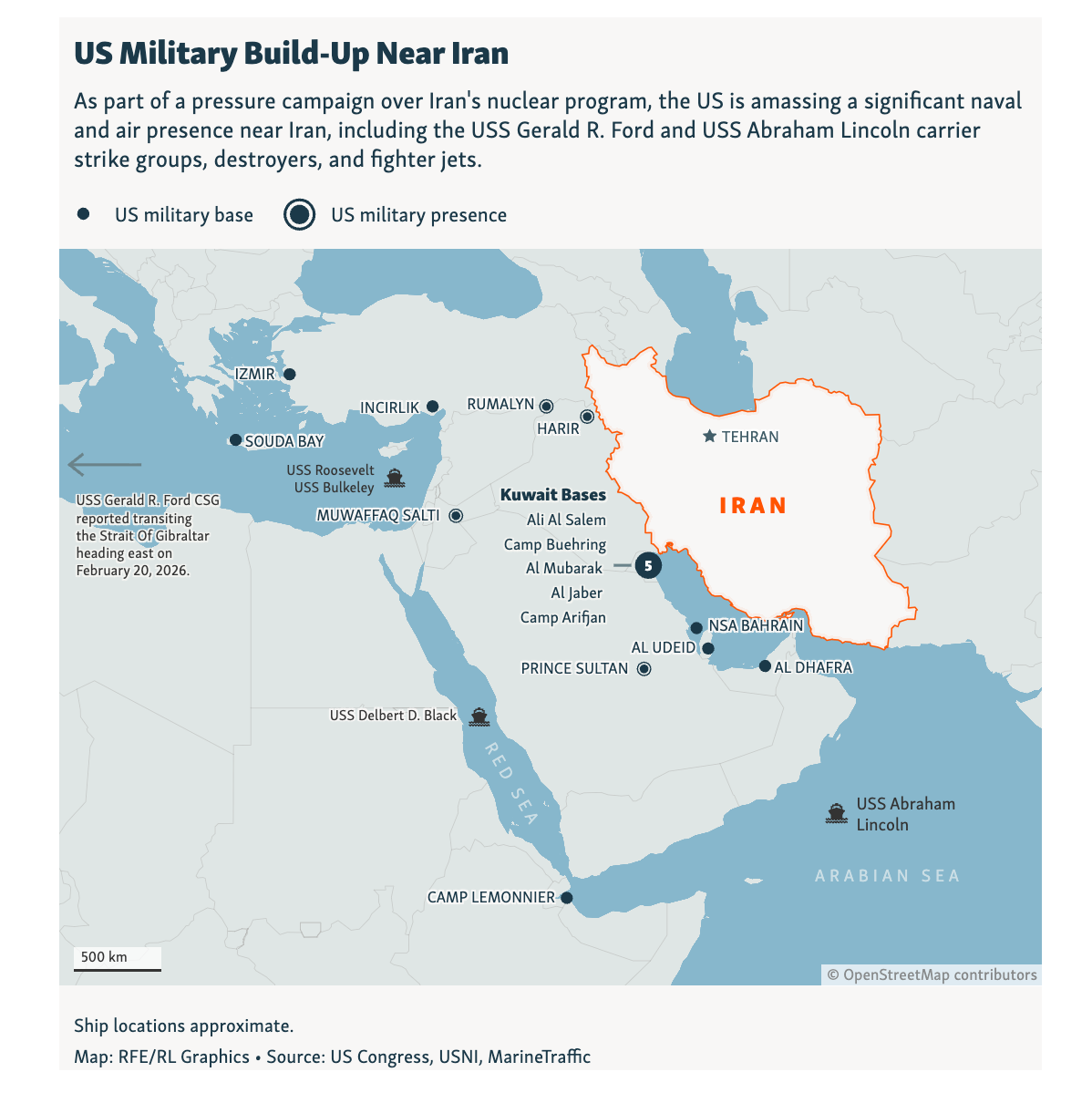
US and Iranian officials kicked off talks in Geneva on Thursday for what is seen as a last-ditch attempt to reach a nuclear deal and avoid a major military conflict between the foes. The third round of discussions started as President Donald Trump weighs options for US military action if no agreement is secured to curb Iran’s nuclear program, with two American carrier groups deployed within striking distance of the Islamic republic. Iranian Foreign Minister Abbas Araqchi is holding indirect talks with White House envoy Steve Witkoff and Trump’s son-in-law Jared Kushner. Omani representatives are acting as mediators, as they have in previous rounds. “We’ve been exchanging creative and positive ideas in Geneva today, and now both US and Iranian negotiators have adjourned for a break. We’ll resume later today. We hope to make more progress,” Omani Foreign Minister Sayyid Badr Albusaidi posted on X, without giving details. He added that negotiations would resume later in the day. The sides held indirect talks earlier this month in Oman, the first since Israel and the United States bombed Iran’s key nuclear sites during a brief conflict in June. A second round of talks was held in Geneva on February 17. The two rounds of negotiations failed to yield a breakthrough, and key sticking points remain unsolved - RFE/RL
Russian forces rained down drones and missiles on multiple Ukrainian regions ahead of planned talks between Ukrainian and US teams in Geneva on Thursday, RFE/RL reported. “Dozens of people are known to have been injured as a result of this attack, including children,” Ukrainian President Volodymyr Zelenskyy wrote on social media hours before the expected start of the talks. Video shared by emergency services showed burning housing blocks. Zelenskyy said Russia fired 420 drones and 39 missiles, also hitting gas infrastructure and electrical substations. The overnight attacks cane hours before the Geneva talks, expected to center on a “prosperity package” designed for Ukraine’s economic recovery, while laying the groundwork for a potential trilateral summit with Russia, according to both Ukrainian and US officials. Ukrainian National Security and Defense Council Secretary Rustem Umerov is slated to meet with US Special Envoy Steve Witkoff and Jared Kushner, son-in-law of US President Donald Trump. Prior to the talks, US Secretary of State Marco Rubio -- who is not attending -- said that only Washington could drive negotiations to end the war.
“The United Nations isn’t going to do it. France isn’t going to do it. The EU isn’t going to do it. The Russians won’t even speak to them. So we don’t want to walk away from -- we know that, at the end, that war in Ukraine does not have a military solution,” he said. “If we forfeit that role, no one else can do it,” he added.
Hungarian Prime Minister Viktor Orbán has proposed that a “fact-finding mission” be deployed to the Ukrainian section of the Druzhba pipeline to assess the damage caused last month by a Russian attack, which precipitated a halt in oil deliveries. The interruption of supplies through Druzhba is at the core of a tense confrontation between Budapest and Kyiv, with the former vetoing a €90 billion loan for the latter. The blockage of the assistance loan, agreed by EU leaders during a momentous summit in December, has prompted widespread accusations of disloyalty. In his letter, Orbán admits the “political difficulties” caused by his last-minute veto and says he is committed to finding a “timely resolution” - Euronews
Russia plans to block Telegram this spring amid government calls to tighten media controls over claims the messaging app serves as a haven to criminals and is being used by foreign intelligence services as a tool of “hybrid warfare” against the country, Russian media reported Thursday, citing anonymous sources familiar with the matter. Two sources close to the Kremlin told the RBC news outlet that the decision to block the platform was “final,” while a third source familiar with internal government discussions on the issue said Telegram could be made inaccessible inside Russia as early as April. The Bell, citing its own sources in the telecom industry, reported that Russian authorities have already informed major internet and mobile providers of the decision to block Telegram. “Things could still change over the next month and a half — there are differing views within the government on this issue. But for now, the information we have is that there will be a full block beginning on April 1,” one of those sources said. Russia’s media regulator Roskomnadzor neither confirmed nor denied the reports, which were published just days after it was revealed that the FSB security service is investigating Telegram founder Pavel Durov on allegations of aiding and abetting terrorism - Moscow Times
Germany’s chancellor called on China to correct the countries’ growing trade imbalance, as he walks a tightrope of strengthening diplomatic ties with Beijing while trying to manage its economic heft. Friedrich Merz arrived in Beijing on Wednesday with “an outstretched hand and a list of complaints,” The New York Times wrote: Berlin is concerned about what it sees as an undervalued yuan, unfair subsidies, and overcapacity from Chinese exporters. But reducing dependence on China is difficult for Germany, whose industries have invested massively in the Chinese market, analysts said. From Beijing’s perspective, “it’s Europe that should be making the concessions and seeking closer economic support from China because it’s in a weak position,” one expert said.
Four armed Cubans aboard a Florida-registered speedboat died in a gunfight with Cuban border troops near the island nation’s coast on Wednesday, the local authorities said. The gunfight also wounded six others on the speedboat after it entered Cuba’s territorial waters, Cuba’s Interior Ministry said. The 10 men on the speedboat were Cuban citizens living in the United States, according to a Cuban state media report, citing a statement from the Interior Ministry. The report said that “preliminary declarations” by men detained from the boat indicated that they were intent on “an infiltration with terrorist ends.” The statement did not specify how the government arrived at that conclusion. Secretary of State Marco Rubio, who was in St. Kitts and Nevis on Wednesday on a diplomatic trip to meet with officials from Caribbean nations, told reporters earlier that the United States was investigating the shooting, but was so far relying on the Cuban government for information - NYT
The European Commission has requested that the EU’s anti-fraud agency investigate Peter Mandelson’s actions while he was serving in Brussels as the British commissioner for trade between 2004 and 2008. This is according to an exclusive report published by the Financial Times late Thursday.
With visitor numbers predicted to hit record levels in 2026, many European hotspots are planning or have brought in tourist taxes to offset the burden. These extra fees are often overlooked when budgeting for a holiday, but they can add up. Here is a summary of all the tourist taxes travellers should be aware of in Europe this year:, according to Euronews
Venice’s council has confirmed that its daytripper fee, introduced in summer 2024, will return once again in 2026.
In 2026, tourists staying in accommodation in Bucharest will be charged 10 Romanian leu (around €2) per night. Unlike many other cities, the tax does not vary based on accommodation price.
Edinburgh’s city council has approved a proposal called the ‘Transient Visitor Levy’ to be introduced in 2026.
Norway has approved a new levy which allows municipalities to introduce a 3% tax on overnight stays in “areas particularly affected by tourism”.
In July 2025, Greece introduced a fee for cruise ship passengers, which is continuing this year. The rate depends on the season and the island of disembarkation.
Barcelona is set to charge one of the highest tourist taxes starting in April this year, after the regional Catalan government approved doubling the fee.
As of January 2026, Brussels’ existing tourist tax has risen by €1 per overnight stay, bringing the fee for hotel stays to €5 per night and €4 for homestays and camping sites.
At the beginning of the year, Milan raised its tourist tax in a bid to support infrastructure for the Winter Olympic Games. The increase reportedly only applies in 2026 and only to accommodation within 30km of Olympic venues.
Tourists have to pay an “eco-tax” to hike popular trails in Tenerife’s El Teide National Park in 2026. The park, which encompasses the Teide-Pico Viejo volcano, is the most visited natural site across the islands.
The journals….