Trump’s Diplomatic Fatigue - And Russia’s
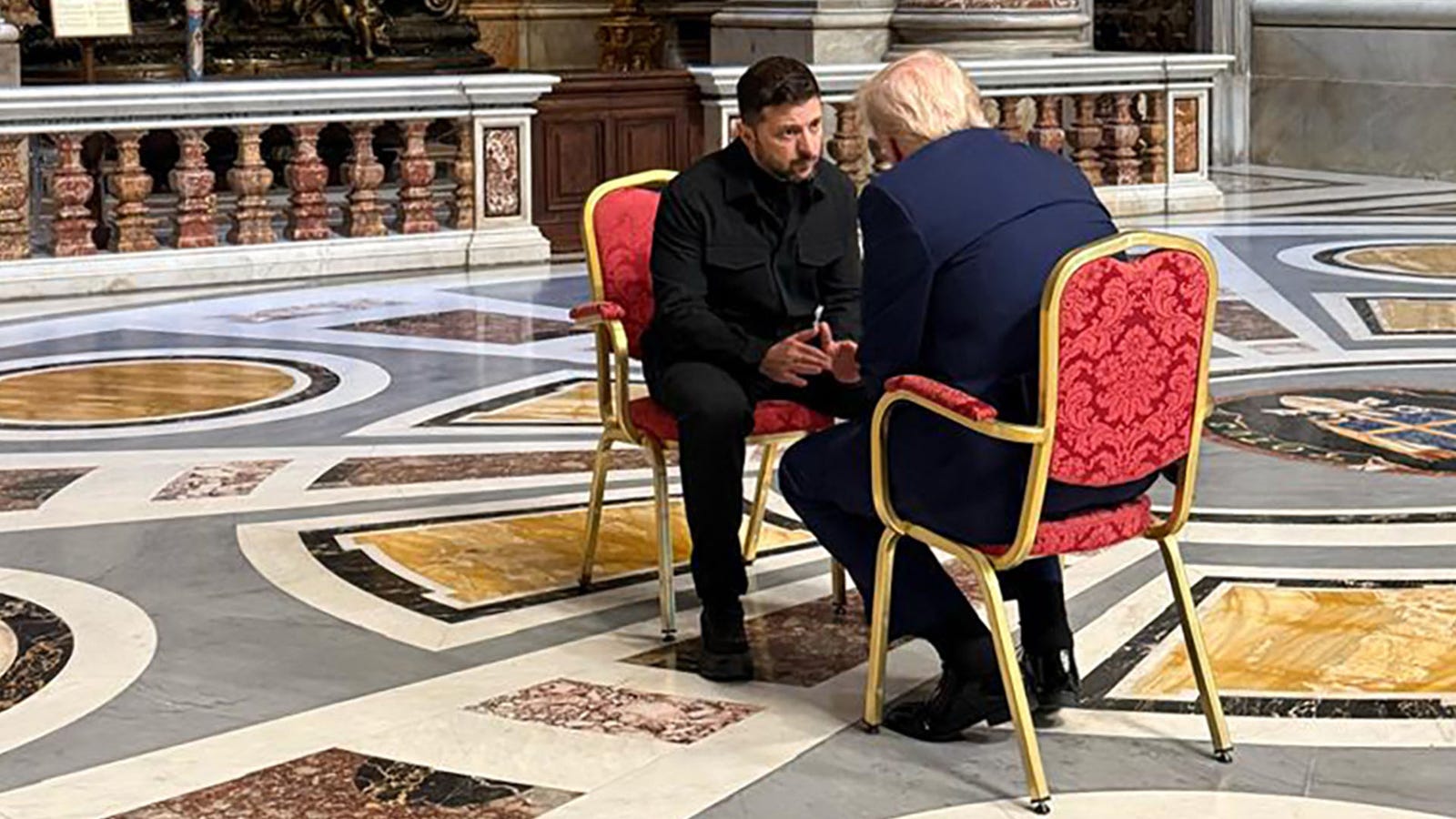
Sixteen months into a presidency that promised to end the Ukraine war in 24 hours, Donald Trump now rarely mentions the conflict. His Secretary of State has effectively waved the white flag on near-term progress. “Hopefully the opportunity will present itself at some point that we can play that role again,” Marco Rubio told reporters Tuesday - language that, from the top American diplomat, reads less like a pause than a withdrawal.
According to the New York Times, Moscow has quietly signalled it is tired of periodic visits from special envoy Steve Witkoff and Jared Kushner. The Russians want something the Trump administration has conspicuously failed to build: a stable diplomatic architecture - working groups, regular meetings, and an American ambassador to Russia, a post vacant for nearly a year.
The diagnosis from veterans of the process is pointed. Thomas Graham, a former senior American diplomat who managed strategic dialogue with the Kremlin under George W. Bush, argues the moment is actually ripe. “The mood has changed in Moscow. The battlefield is different: the Ukrainians have frozen the front line. The economic problems in Russia are building, and some political discontent is bubbling up. Conversations inside the Kremlin are on ‘How do we present this as a victory?’” But, Graham adds, “you have to have a negotiating process” - and that is still missing. What Moscow wants, he says, is something “more than a couple of envoys talking to Putin.”
The Times frames the administration’s broader failure in blunt terms: a senior Trump aide’s operating theory holds that destroying nuclear sites from the air is what America does best; managing political outcomes in Russia, Ukraine or Iran is what it does worst. Richard Fontaine of the Center for a New American Security offered the institutional verdict: “It is the sustained management and follow-through that often makes all the difference, not the grand and dramatic announcement.”
Ukraine, for its part, is no longer waiting. Long-range drones and domestically produced missiles are striking deep into Russian territory - energy infrastructure, weapons factories, targets near Moscow. British intelligence chief Anne Keast-Butler assessed last week that nearly half a million Russian soldiers have been killed in a war Putin expected to last weeks.
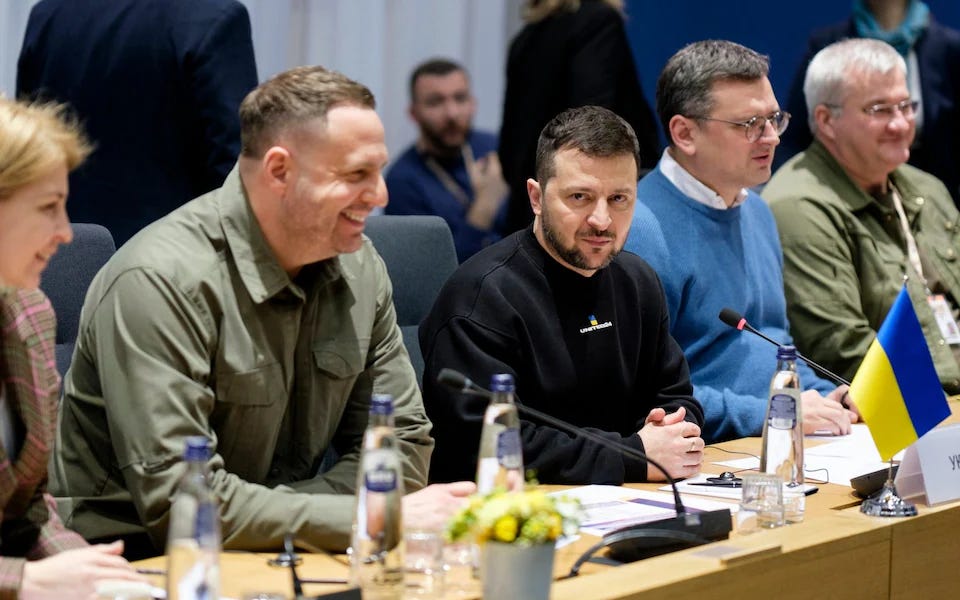
Explainer: Ukrainian President’s Inner Circle Implicated in $8.9M Luxury Real Estate Scandal
Ukraine’s anti-corruption agencies are currently investigating a massive $8.9 million (460 million Hryvnia) money-laundering scheme connected to the construction of a luxury residential compound meant for President Volodymyr Zelensky’s closest allies.
The illicit funds allegedly originated from kickbacks involving the state nuclear monopoly, Energoatom. Investigators have charged several top associates, including former Deputy Prime Minister Oleksii Chernyshov, businessman Timur Mindich, and ex-presidential office head Andriy Yermak. The “Dynasty” cottage complex, located in an elite enclave outside of Kyiv, features multiple 1,000-square-meter mansions and a shared luxury residence equipped with a spa and pool.
While Ukrainian law prohibits a sitting president from being investigated, leaked audio tapes suggest that one of the mansions was being built for a “Vova” - a diminutive of Volodymyr. Investigative journalists assert that Zelensky was fully aware of the scheme, noting that he reportedly referred to his implicated inner circle as “family” and attempted to hastily pass legislation to dismantle the independent anti-corruption agencies investigating them.
Ukraine’s High Anti-Corruption Court has officially seized the luxury properties. Despite public outcry and mass protests over his attempts to protect his allies, President Zelensky has remained silent on the allegations.
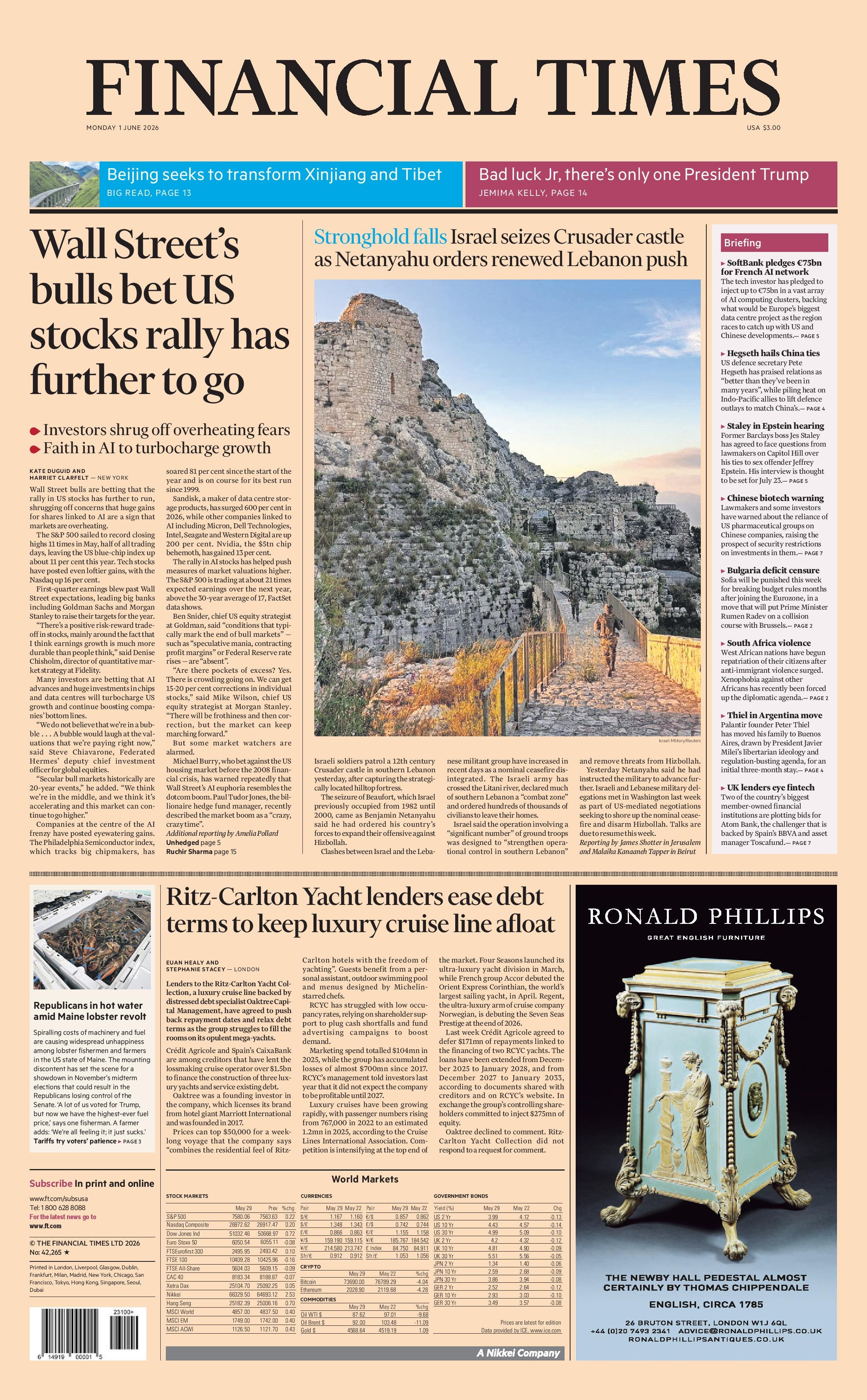
The Israeli military has captured the strategic site of Beaufort Castle in southern Lebanon, in what Prime Minister Benjamin Netanyahu described as a “decisive shift” in its offensive against Hezbollah. It comes as ground troops move ever deeper into Lebanese territory beyond their original demarcation line of the Litani river. Meanwhile the Israel Defense Forces (IDF) increased the zone in southern Lebanon that it has warned residents to evacuate from. Lebanon’s prime minister has accused Israel of carrying out “collective punishment”. Perched over the Litani valley, Beaufort Castle has been key to controlling the region around it since the Crusaders built it some 900 years ago. The Israeli army captured it 44 years ago in what’s known in Israel as the First Lebanon War. In a statement on Sunday following its capture, Netanyahu said it was “a decisive stage and decisive shift in our policy”. “We have broken the barrier of fear. We are taking the initiative, we are operating on all fronts - in Syria, in Gaza, in Lebanon,” he said. Netanyahu added that his aim was to “deepen and expand our grip on the places that were under Hezbollah’s control”. For the Lebanese, it's the latest historic landmark to be seized in recent days, while the city of Nabatieh further north appears to increasingly be a target for the IDF - BBC
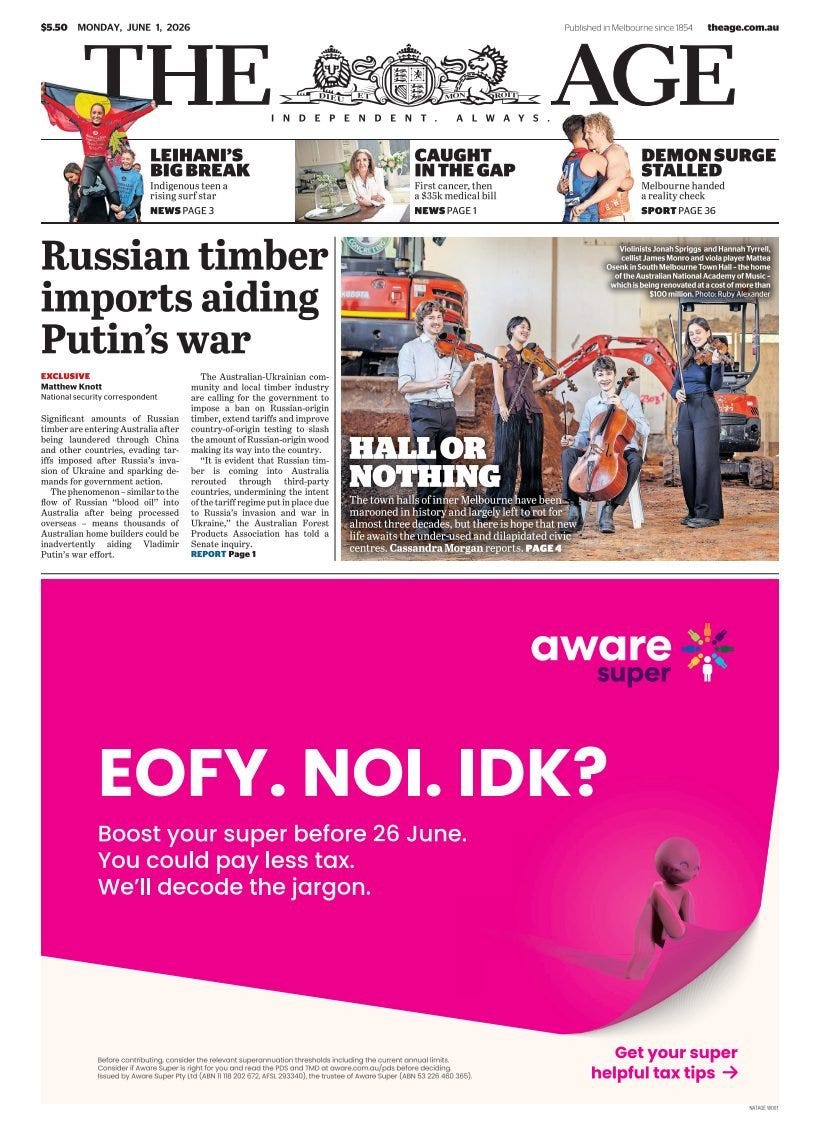
Russia’s Foreign Ministry said Saturday that it recalled its ambassador to Armenia for “consultations,” a day after President Vladimir Putin warned the South Caucasus country against aligning with the European Union. “The Russian ambassador to the Republic of Armenia, S. Kopyrkin, has been recalled to Moscow for consultations about steps taken by the Armenian leadership on a rapprochement with the European Union, thus undermining cooperation within the Eurasian Economic Union,” the ministry said in an official statement, referring to the Moscow-led regional customs union. At a summit in Kazakhstan on Friday, Putin invoked what he called the “Ukrainian scenario” to warn Armenia against pursuing closer ties with the EU. The Russian leader called on Armenia to hold a referendum on its economic future “as soon as possible,” emphasizing that Armenia must choose between the EU and the Eurasian Economic Union, declaring it “impossible to reconcile the two.” Friction between traditional allies Russia and Armenia has grown since Azerbaijan regained control of the breakaway region of Nagorno-Karabakh in 2023. Armenia accused Russia and its peacekeeping forces of failing to deter Baku’s military offensive and, in 2024, froze its participation in a Moscow-led regional security bloc. Putin previously warned Armenia that closer European integration carries the same risks faced by Ukraine, which Russia invaded in February 2022 - Moscow Times
The US reportedly revoked the visa of a Chinese state media journalist after Beijing expelled a New York Times reporter, in a diplomatic tit-for-tat. China ordered Vivian Wang to leave the country over a Times event last year — which Wang had no involvement in — that featured an interview with Taiwan President Lai Ching-te. The move reflected Beijing’s media crackdown, which has intensified in recent years; China has used its visa policy to keep out journalists whose work it doesn’t like. The US’ reciprocal decision threatens to inflame tensions between the superpowers. Other Western media outlets, meanwhile, are growing more uneasy about what possible interviews with Lai could mean for their presence in China, The Associated Press reported - Semafor
The journals…..