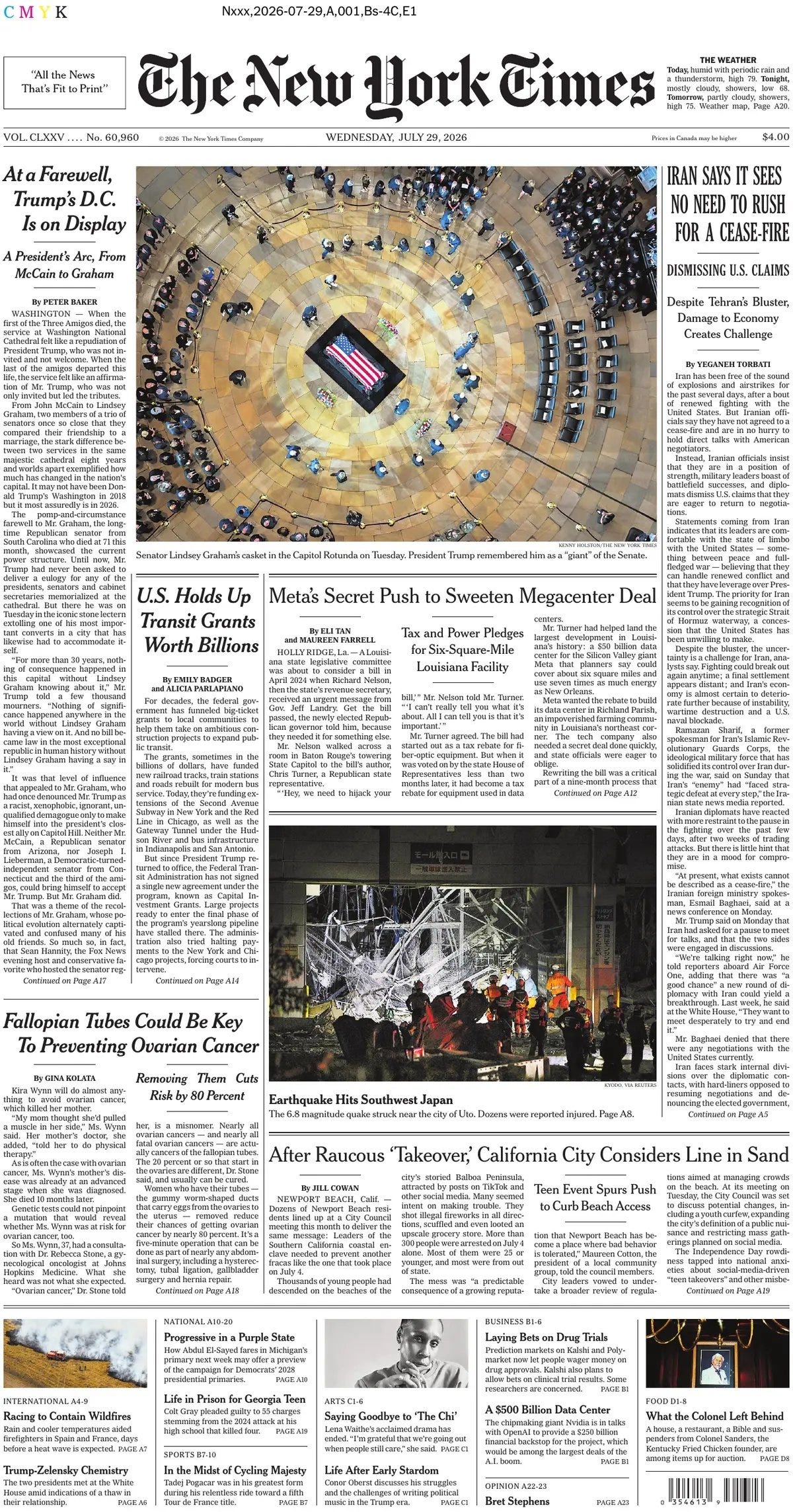
Europe’s scientists have stopped talking about the summer of 2026 as an aberration. Johan Rockström, director of the Potsdam Institute for Climate Impact Research, calls the continent “ground zero” for climate impacts - and warns that as warming compounds, Europe risks “passing the limits of adaptation.” The data behind the warning: a preliminary estimate of more than 20,000 heat deaths in a single week of June, when temperatures topped 40°C across much of the continent.
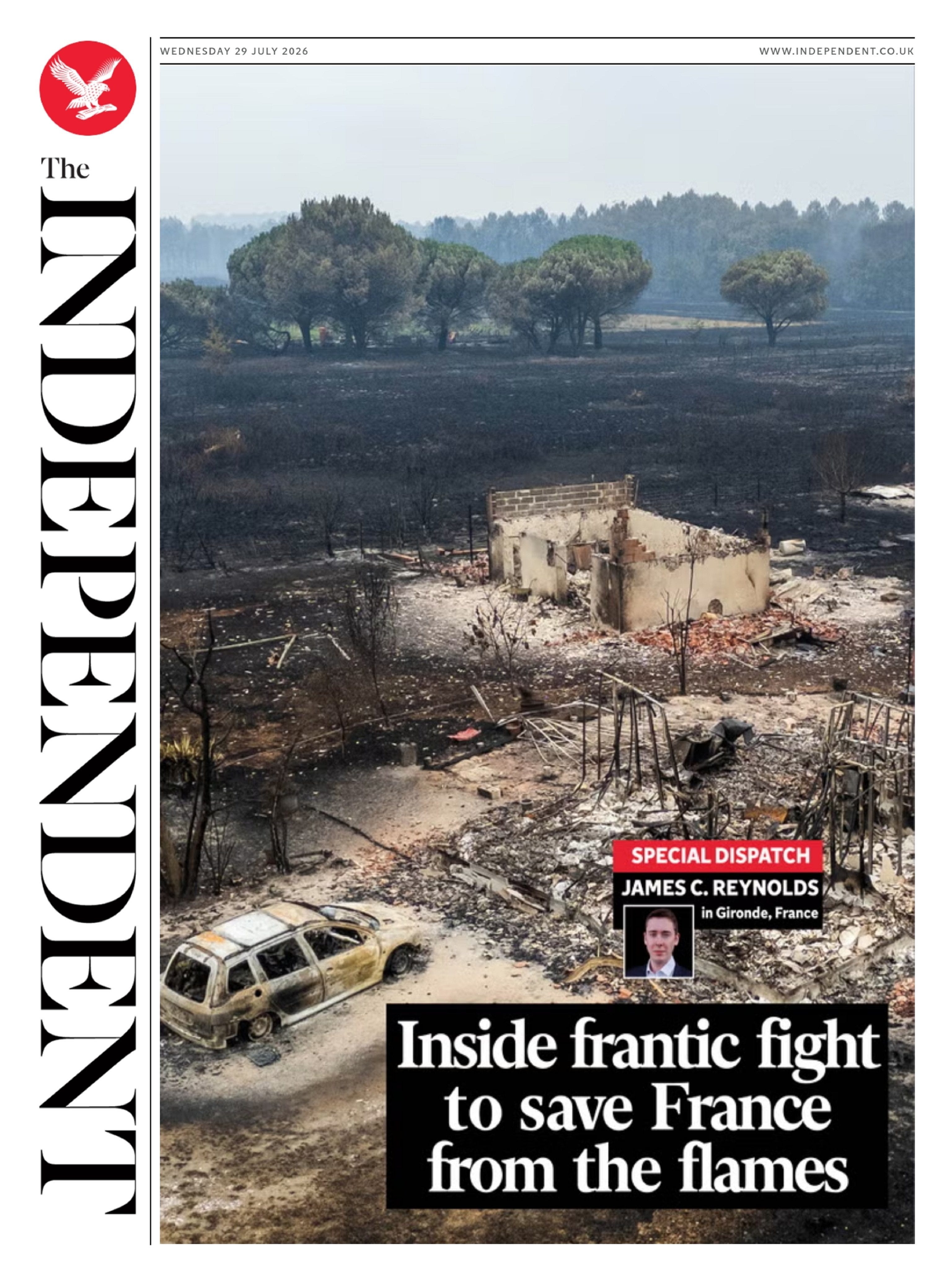
The chain reaction since has been vicious but entirely logical. Record heat dried out vegetation left abundant by a wet winter; wildfires near Bordeaux and Madrid then feasted on the kindling, driving thousands of evacuees into shelters.
The numbers convey what adjectives cannot. France burned an average of roughly 15,000 hectares a year over the past two decades; the Bordeaux blaze consumed nearly three times that in under a week, while fires pressed toward Madrid and more than 300,000 people fled their homes across both countries. And the flames are not even the main killer. Most wildfire deaths come from smoke - carried to lungs a thousand kilometers from any fire line - and The Economist points to projections that smoke mortality, roughly 240,000 deaths a year globally in the 2010s, could reach 1.4 million annually by century’s end. Its leader writers resist calling this summer the new normal, reaching instead for something more unsettling: these fires sit within “the new possible” - and its outer limits have not yet been mapped.
The structural story is what should worry policymakers. Europe has warmed at nearly twice the global average since the mid-1990s - partly a function of its proximity to a melting Arctic - and the shift is visible within a single generation. Bordeaux never once hit 39°C between 1921 and 2000; this summer it has done so eight times, with the season barely half over, the New York Times reported. Earlier hot spells forced France to throttle nuclear reactors to avoid discharging overheated water into warm rivers, cancelled trains, and dropped the Danube and Rhine to levels that snarled river commerce - the Danube corridor being, not incidentally, a lifeline for Ukrainian grain.
Part of Europe’s vulnerability is baked into its architecture. Much of the continent’s housing stock was built to retain heat, not shed it, and air-conditioning remains rare - a legacy of a mild climate that no longer exists, as we have discovered over the past two or three summer visits to Rome. Even Europe’s forests are maladapted: hillsides planted with uniform tree species during cooler, wetter eras are now tinderboxes. Though the American Southwest and the Gulf run hotter, they were built for it. Europe was not.
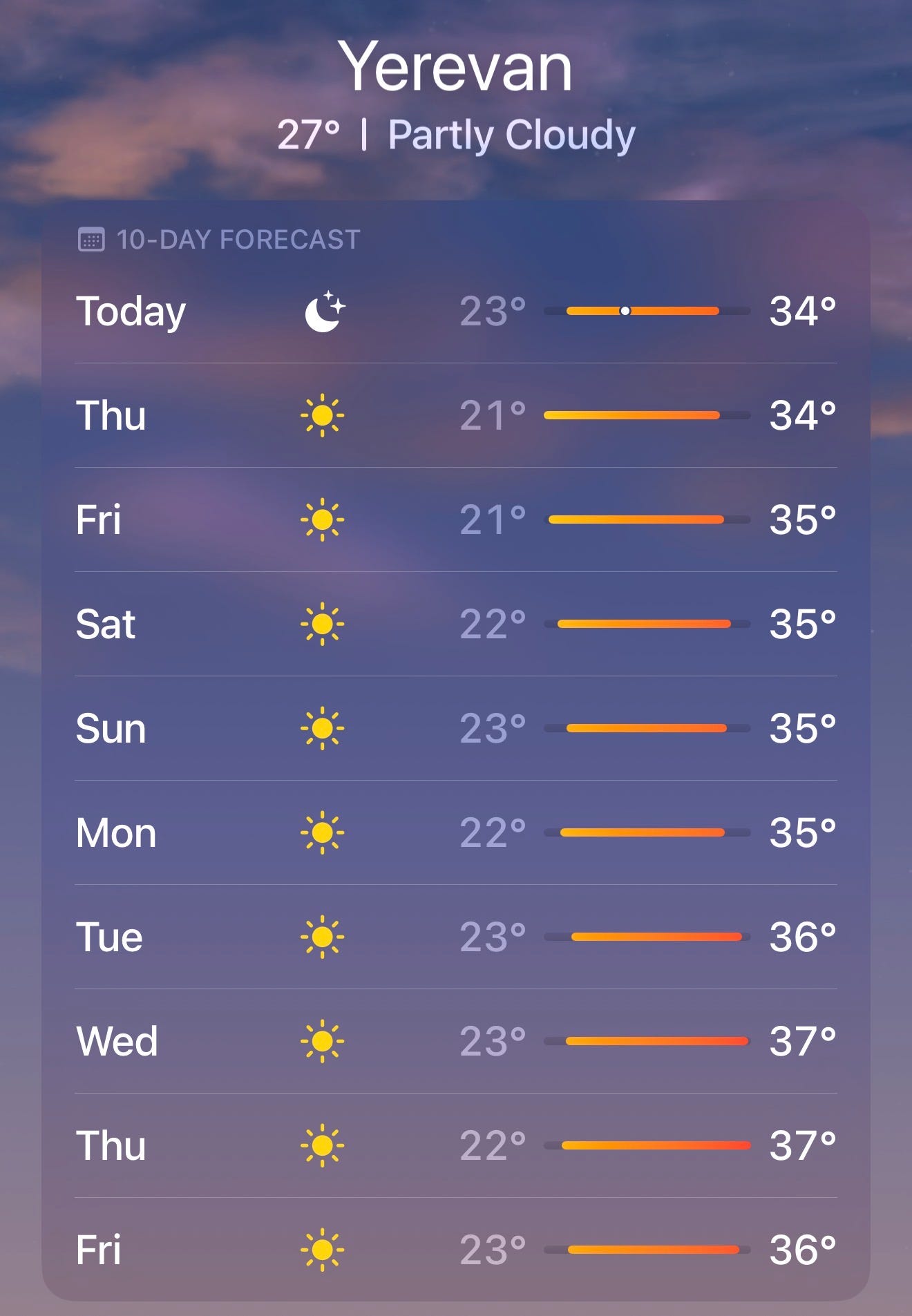
The scale of the anomaly is visible on any phone screen. Rome is locked into an unbroken wall of 35–38°C days with overnight lows near 25°C that deny the body recovery - and AccuWeather's outlook for August shows highs pushing toward 39°C in a month whose average high is 33°. This is not a spell; it is a season. Two thousand kilometers east in Yerevan, the departure from normal is even starker: forecast peaks near 38°C in a city whose August average high is 29° - a nine-degree anomaly that residents tell me is unlike anything they associate with an Armenian summer.
And here in Odesa, where I write this, the forecast shows highs climbing past 32°C with humid Black Sea nights that barely dip below 23° - moderate numbers by this summer's standards, but this is a city where Russian strikes on the power grid have made cooling, refrigeration, and even water pumping precarious, and where the port that feeds the world was burning just this week. I'm fortunate: my building, like much of historic Odesa, was built in the era when architects still designed for heat - thick walls, high ceilings, a shaded courtyard. Ukraine doesn't need record temperatures for heat to become dangerous; it only needs the ones already forecast. From the Tiber to the Caucasus to the Black Sea, climate stress and war stress are compounding on the same map.
Here is the disconnect: even as Macron likens the crisis to the worst France has faced since World War II and Sánchez declares a climate emergency, Brussels is quietly loosening emissions rules for some industries, and net-zero policies have become a favorite target of the right amid weak growth and energy insecurity. Zoom out and the picture darkens further. China is installing solar and wind at a pace the rest of the world combined cannot match - though it is decarbonizing for industrial supremacy, not sentiment, and still burns prodigious coal. The United States, meanwhile, is governed by a president who calls climate change a "con job" and is methodically rolling back the measures that would slow the warming now scorching its allies. Europe, the continent paying the steepest price, controls neither lever. Rockström's rejoinder is blunt - burning forests in France and Spain argue for raising ambition, not trimming it.
The bottom line: The most frightening assessment from scientists is that 2026 may look tame in retrospect. France’s own weather service projects heat waves could be five times more frequent by 2050, with temperatures approaching 48°C. And as The Economist notes, the urgency of suppression tends to eat the budgets for prevention - Europe reacting to each emergency rather than preparing for the era. The continent built its cities, forests, and politics for a climate that no longer exists. This was the summer the bill started arriving.
Sources: The New York Times; The Economist; preliminary mortality analysis by Christopher Callahan, Indiana University; forecast data as of July 29.
President Donald Trump on Wednesday said the US military will hit Iran “hard” after a missile attack against US bases in Jordan, Fox News reported. “We’ll be hitting them hard. They’re going to get a beating,” Fox’s correspondent quoted Trump as saying, adding that the US president used swear words to emphasize his point: “We are going to beat the f**king s*it out of them.” Trump also told Fox that US strikes against Iran-backed militias overnight inside Iraq had been coordinated with the authorities in Baghdad – despite the Iraqi government publicly condemning the attacks. Trump “says those strikes were coordinated with the Iraqi government,” the Fox correspondent said after talking with the US leader. The Iraqi presidency said it “denounces the bombing that targeted the Hashed al-Shaabi bases and it considers it an unacceptable attack and a blatant violation of Iraq’s sovereignty, targeting its official institutions.” It also said it rejected the use of Iraqi territory to launch attacks on neighboring countries. The sudden flare-up in the now five-month US war against Iran came after earlier insistence by Trump that he wanted to seek a negotiated solution. Iran said that it had fired missiles at US military facilities in Jordan, while Jordan’s army said it had intercepted five Iranian missiles. The US military said logistics and weapons sites belonging to an Iran-backed militia were targeted in the Iraq strikes - Al Arabiya
Egypt says two ships used in gas processing and storage caught fire in the port of Damietta, without identifying the cause. Maritime security firm Ambrey says a drone hit a US-owned gas storage tanker, citing an initial assessment of the incident, according to Reuters.
U.S. senators voted overwhelmingly Tuesday night to advance a sweeping Russia sanctions bill that Sen. Lindsey Graham (R-S.C.) had long sought to move forward before his unexpected death. The 86 to 12 procedural vote tees up the bill for final passage in the upper chamber later this week. The vote came shortly after Ukrainian President Volodymyr Zelenskyy addressed senators on Capitol Hill — and followed the funeral of the South Carolina senator, who was a stalwart supporter of Kyiv until his passing. The legislation gained momentum after Graham’s death galvanizing senators to take action on the bill in his name. Lawmakers renamed the bill after their former colleague. It would sanction Russian leaders, its energy sector and shadow fleet. It also would extend certain sanctions on Iran — a last-minute addition after lawmakers struck a deal to expand the scope of the legislation earlier Tuesday. The bill, which has 62 co-sponsors, is widely expected to pass in the upper chamber. The legislation’s path toward passage is likely but not guaranteed, as House lawmakers adjourned for August recess before taking it up - Politico
The US will reinstate funding for GAVI, the global humanitarian vaccine program, in an unexpected U-turn from the Trump administration. Health Secretary Robert F. Kennedy Jr froze all funding to GAVI last year, arguing that it had ignored vaccine safety. Kennedy has long had concerns (not shared by mainstream science) about vaccines’ links to autism. US President Donald Trump has also expressed worries about vaccines — he once memorably said “tiny children are not horses” - and should not receive “massive injections” — and reportedly recently pressured Kennedy to do more to probe the vaccine autism link. But, in a somewhat unexpected change of stance, a senator said the State Department has committed to restoring the $600 million in GAVI funding - Semafor
The journals…