World Briefing Hot Take
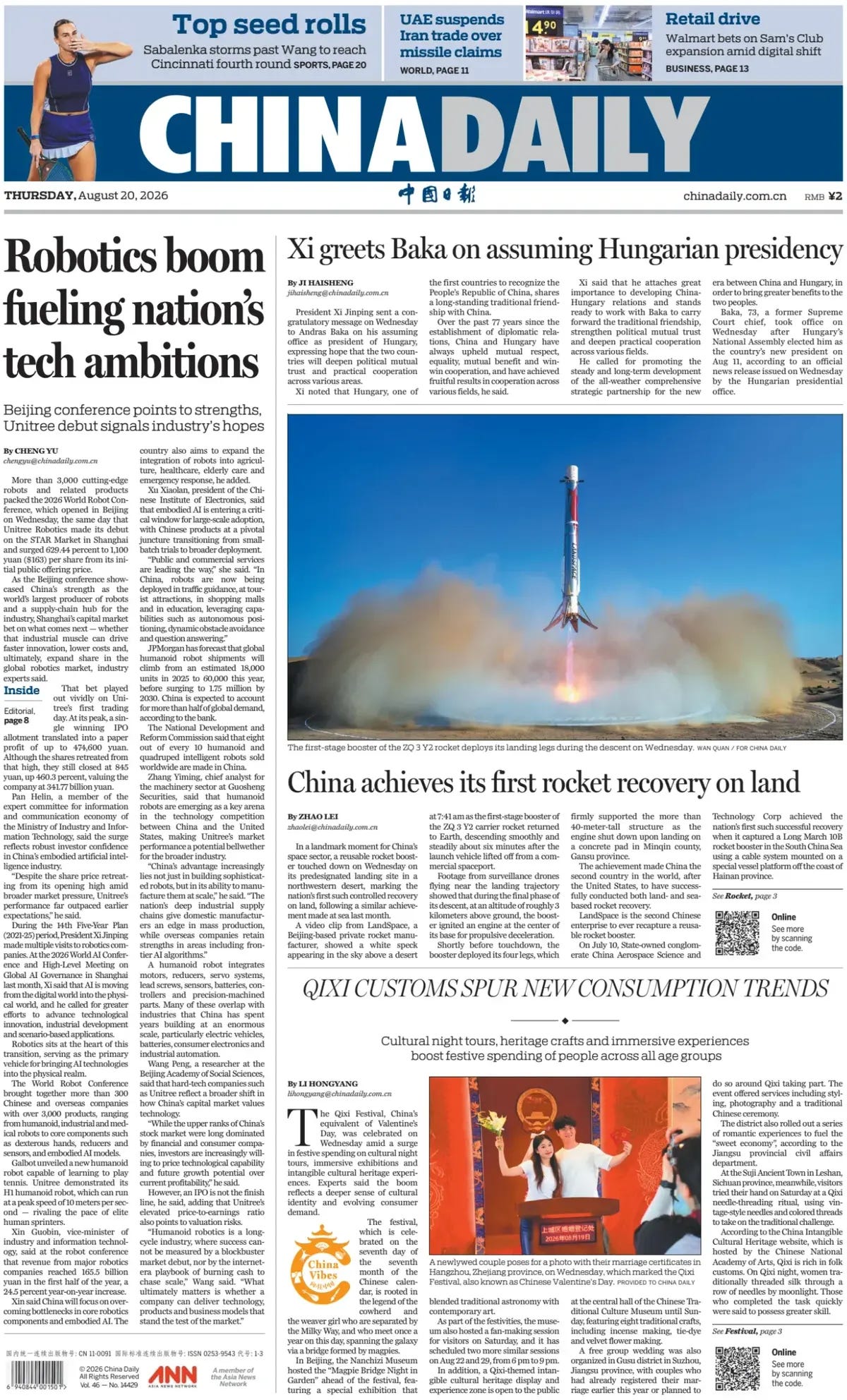
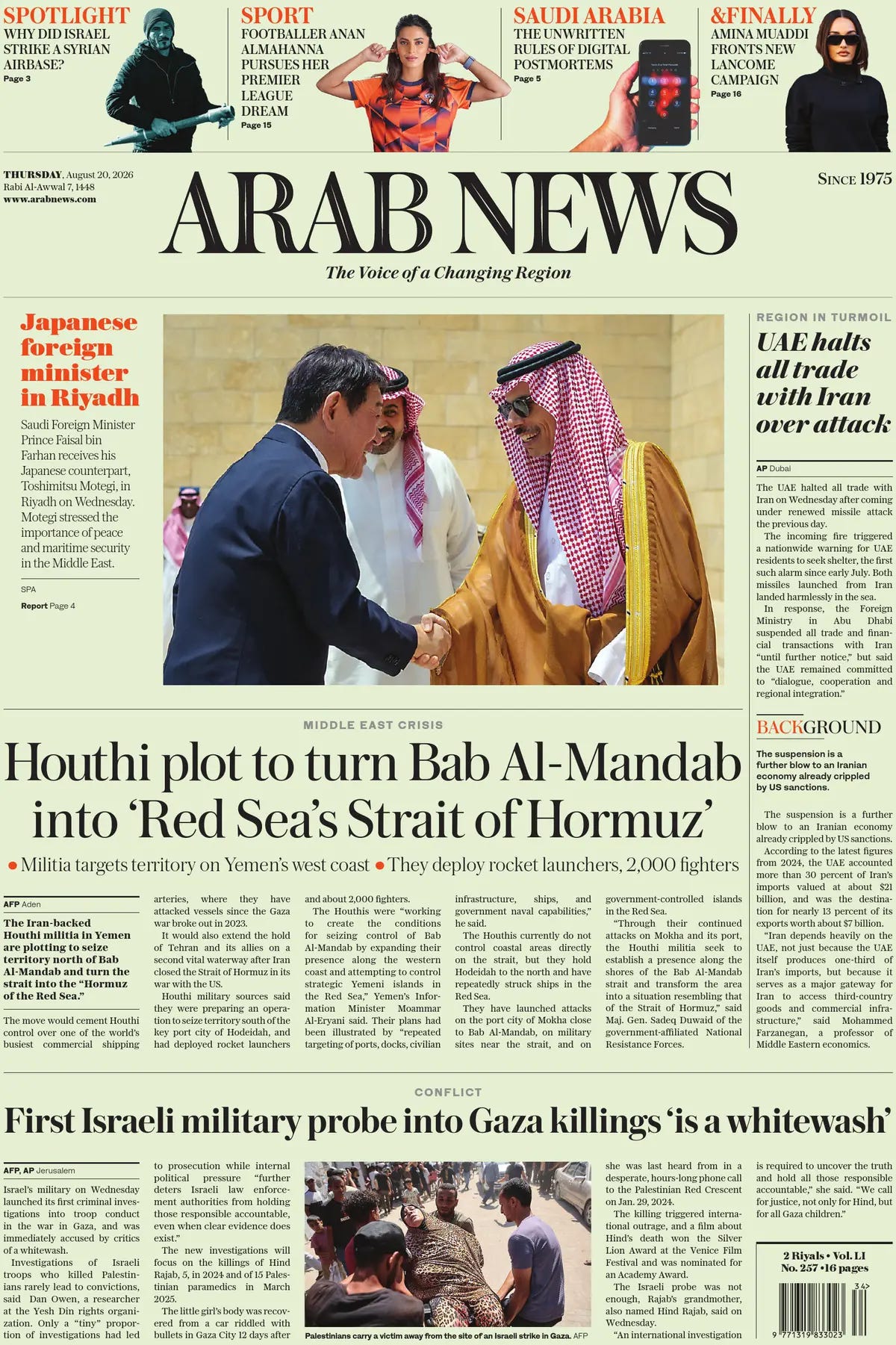
Concessions were made this week, just not by anyone who’d been asked for one. Washington gave up the drills; Pyongyang declined to notice. Kyiv buried thirteen people while the ceasefire talk continued. Moscow struck its last anti-war party from a ballot it was going to win regardless. In each case the price was paid by the side already offering.
Then there is the ledger nobody announces. Putin has not been to Sochi in 322 days — a man who went two and three dozen times a year before the war, now unwilling to fly into drone range. Russian holidaymakers have drawn the same conclusion: bookings down twenty percent at some hotels, air tickets off forty. That is the more honest reading of how the war is going, and it arrived in a flight log rather than a statement. Meanwhile, in Phuket Thailand, a licensed money changer will sell a Russian buyer a wire and the certificate to go with it, guaranteed. The costs Moscow won’t concede are real. So are the exits.
News Briefs
North Korea fired an unidentified projectile off its east coast on Thursday, South Korea said, hours after Pyongyang dismissed US President Donald Trump's decision to scale back military exercises with South Korea. It came after North Korea said a US decision to scale back military exercises with South Korea did not change what it sees as the provocative nature of the drills, dampening hopes for an early resumption of diplomacy between North Korean leader Kim Jong Un and Trump. The sister of North Korean leader Kim Jong Un made the comments late on Wednesday night in her country’s first reaction to Trump’s moves to drastically cut back the annual US-South Korean military drills. “We think it’s not worth making comments on that and we have no interest in it at all,” Kim Yo Jong said in a statement carried by state media. Kim Yo Jong denied that there are any communications between Trump and her brother. Earlier this week, pressed by reporters on whether he had a conversation with Kim Jong Un, Trump said that the North Korean leader had responded to his request for a conversation - Euronews
Russia launched a large ballistic missile and drone attack on Kyiv shortly after midnight on Aug. 20, killing at least 15 people and injuring dozens more, officials reported. Numerous consecutive explosions were reported in several parts of the city beginning just after midnight local time. Another round of explosions occurred at 6:17 a.m. amid the hours-long attack. A brief all-clear sounded at 8:36 a.m, but another alert was issued around 30 minutes later with reports of Russian Banderol missiles heading toward Kyiv. Another all-clear was issued at 11:10 a.m. Kyiv Mayor Vitali Klitschko said at least 15 people had died and emergency services were still working at the scene of the attacks. Aug. 21 has been declared a day of mourning in the city, he added in a post on social media. “It was a massive attack,” Zelensky said in a post on social media. “The Russians had been preparing for a long time, combining different types of ballistic missiles, cruise missiles, and drones, aiming to cause as much damage as possible to civilian infrastructure.” - Kyiv Independent
One month before a parliamentary election that is all but guaranteed to favor the Kremlin, Russia's judicial system has methodically moved to silence any anti-war voices. In quick succession, a provincial court and the Supreme Court of the Russian Federation delivered harsh warnings to those considering voicing opposition to the ongoing war during the September 20 election. More than four and a half years after Kremlin troops launched their full-scale invasion of Ukraine, Yabloko, the only anti-war party, has found itself effectively excluded from the ballot. Several of its leaders have been imprisoned. Lev Shlosberg, 63, vice president of the liberal party that emerged from the ranks of late 1990s “democrats,” was sentenced on Monday, August 17, to 11 years and one month in prison. The court in Pskov, in the country’s northwest, found the former MP guilty of spreading false information and of “public actions” aimed at discrediting the Russian army: He had posted an anti-war article on Telegram and, during a debate, called for a ceasefire - Le Monde
Vladimir Putin has not made a public visit to the resort city of Sochi since October last year, when he attended the Valdai Club meeting — a gap of 322 days, according to Agentstvo. He skipped the customary spring trip this year, breaking a two-visit-a-year pattern (spring at the “Sirius” federal territory, autumn at Valdai) held over the previous two years. His last spring appearance was May 2025, chairing a board meeting of the Talent and Success foundation and touring a new music school. The contrast with pre-war habits is stark: from 2015 to 2021 he was in the city between 24 and 37 times a year, dipping to eight in 2020 — though Proekt has reported that a replica of his Novo-Ogaryovo office was built at the Bocharov Ruchei residence during the pandemic, letting him isolate in Sochi while appearing to work from Moscow. A source close to Putin told Proekt he stopped flying south after drones began reaching the city in autumn 2023. The pattern extends beyond Sochi. Drones reaching Novgorod region late last year coincided with a 223-day freeze on regional travel (6 November to 17 June) and a 158-day gap in foreign trips, broken only by the China visit on 19-20 May. Since resuming, he has largely avoided European Russia — Tatarstan the sole exception this summer outside the Moscow and St Petersburg orbit. Ordinary Russians are voting with their wallets too: one booking aggregator told the Financial Times that reservations at some Sochi hotels are down 20%, with air ticket sales off 40% year-on-year.
The Wire That Shouldn’t Exist
Thai law says a Russian buying a Phuket condo must wire the money in from abroad. Sanctions say that wire barely functions. On Cherng Thale Road, the workaround has a shopfront, a licence number and a money-back guarantee.
Start with the numbers, because they are not in dispute.
In the first quarter of 2026, condominium transfers to Russian buyers in Thailand rose 33 percent year-on-year to 383 units worth 1.66 billion baht — a 69 percent jump in value. Russians overtook Myanmar to become the second-largest foreign buyer group. Chinese transfers, long the market’s engine, fell 39 percent. In Phuket, Russians accounted for 44 percent of all foreign condominium transfer value, with more than half of last year’s new holiday-home supply landing in Cherng Talay.
Now the legal requirement.
Under Section 19 of Thailand’s Condominium Act, a foreigner cannot register freehold ownership unless the purchase price is remitted from abroad in foreign currency and converted to baht by the receiving Thai bank, which issues a Foreign Exchange Transaction (FET) form. Anything above USD 50,000 is reported to the Bank of Thailand. No FET, no registration. Converting to baht offshore doesn’t qualify. Nor do mismatched names between remitter and titleholder.
Every one of those 383 registrations rests on a documented inbound wire with a named remitting institution attached.
From Russia, that wire is close to unworkable. Designated banks are cut from SWIFT and now face outright transaction bans; even undesignated ones struggle, because a dollar or euro leg must clear a Western correspondent, and Thai banks routinely park anything with a Russian originator in extended compliance review.
So how does the money arrive? It is advertised on the street, in Russian.
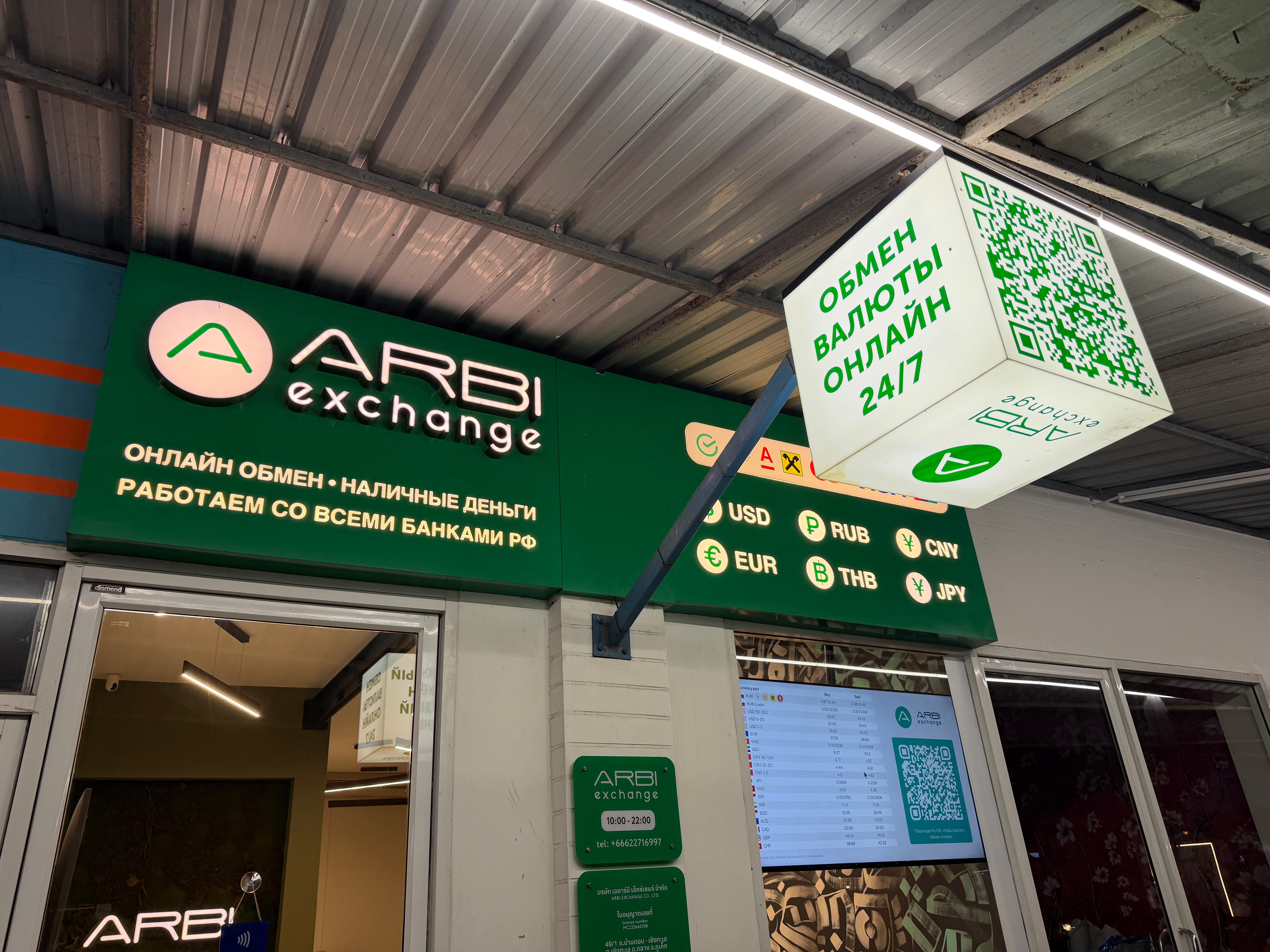
Walk the Bang Tao–Cherng Talay corridor and the shopfronts announce it. ARBI Exchange — a registered Thai company holding Bank of Thailand money-changer licence MC225660108, at 49/1 Ban Don–Cherng Thale Road — promises in Cyrillic that it works with all Russian Federation banks. Money Shop offers ruble exchange from any card. Ex24.pro quotes live ruble transfer rates off Sberbank and T-Bank, and displays a plaque from a property firm, Tumanov Group, thanking it for reliability and speed.
Senate Exchange is the most explicit. Its Phuket window lists what it accepts — cash in fifty-plus Russian cities, transfers from any RF bank, fast-payment-system transfers — and what it issues: a SWIFT transfer plus an FET certificate. Its website markets the product plainly: payment to the developer’s account, or a transfer from abroad with the certificate attached. “FET for freehold, no risk, guaranteed.” It accepts MIR and UnionPay cards from all Russian banks, and USDT. It says it has been Bank of Thailand-licensed since 2016, with partner agents collecting cash in thirteen cities across Russia, Ukraine, Turkey, Europe and the UAE.
Read that structure again. Value is collected in rubles inside Russia. A separate foreign-currency wire arrives in Thailand from somewhere else. The buyer receives paperwork good for freehold registration.
It is the retail version of a manoeuvre documented at wholesale scale by the Russian outlet The Bell, which found Sberbank routing client funds to European accounts through Central Asian intermediaries — transaction records showing Dushanbe as the origin rather than Moscow. Not a hidden transfer. A relabelled one. Brussels has since imposed transaction bans on Kyrgyz banks including Keremet and Capital Bank of Central Asia, three Tajik institutions and VTB’s Kazakh branch.
None of this is necessarily illegal in Thailand, which has not adopted Western sanctions. That is the point.
And Thailand is not asleep. Governor Vitai Ratanakorn’s fourth-quarter framework expands bank compliance duties across cash networks, bullion, stablecoins — and bulk currency exchanges. It works: April’s rules on large cash withdrawals cut high-value withdrawals by 35 percent, and monthly physical gold withdrawals fell from around 4,000 kilograms to roughly 700. The governor says the measures are not short-term fixes. The joint BOT–SEC audit has already flagged stablecoin transactions structured to conceal ownership or bypass standard onshore remittance channels, and referred them for enforcement.
Which is a near-perfect description of the product being advertised on Cherng Thale Road. The framing, though, is aimed elsewhere: Chinese-affiliated scam compounds on the Myanmar and Cambodian borders, and the 3.4 billion dollars Thais lost to fraud last year. A real problem, seriously pursued.
Russia does not appear anywhere in it.
So the question is not whether anyone can find this. It is lit in neon on a main road. The question is which foreign bank, in which jurisdiction, appears as remitter on the FET forms — because that name is printed on every one of them, and it is sitting in the Phuket Land Office right now
China on Thursday sentenced the founder of embattled property giant Evergrande to life in prison and fined the company and an affiliate more than US$2 billion after a high-profile default five years ago. Evergrande Group was the face of Chinese real estate, surfing a decades-long property boom as it peddled home-ownership dreams but its access to credit dramatically narrowed when the government introduced curbs on excessive borrowing and speculation. The company defaulted in 2021 after struggling to repay creditors. On Thursday, a court in south China fined the firm and its real estate arm a total of 15.82 billion yuan ($2.4 billion). It sentenced founder Xu Jiayin, known as Hui Ka Yan in Cantonese, to life for a list of crimes including “large-scale financial fraud”. Between 2016 and 2021, Evergrande and Xu as boss “violated national laws by engaging in continuous, large-scale financial fraud and other means to inflate assets and conceal liabilities”, the court said. Xu pleaded guilty in April to charges that also included embezzlement and bribery, according to the court at the time. Five other senior executives of Evergrande Group were also sentenced Thursday to prison terms ranging from six to 18 years for crimes including fraud, the Shenzhen court said - The Standard
Seventeen members of a Myanmar-based human trafficking syndicate accused of luring Chinese citizens overseas and selling them to scam compounds have been charged in a Shanghai court, prosecutors said on Wednesday (Aug 19). Chinese actor Wang Xing, whose disappearance near the Thailand-Myanmar border made headlines last year, was among the victims, according to Chinese state broadcaster CCTV. The 17 suspects face charges including trafficking women, illegal detention, robbery and kidnapping, the Second Branch of the Shanghai People’s Procuratorate said on Wednesday in a notice posted on its official WeChat account. The notice did not state their nationalities. The cross-border ring was based in the Myawaddy region and lured Chinese citizens abroad under the pretext of overseas employment. The victims were then forcibly taken to Myawaddy with the help of armed personnel, prosecutors said. Many victims were robbed, assaulted and illegally detained, while some female victims were raped and forced into prostitution, prosecutors said - CNA
An experimental vaccine prevented the return and spread of cancer in high-risk melanoma patients, Moderna and Merck announced Wednesday, a milestone in the pursuit of cancer therapies. Built on the mRNA platform that allowed Moderna to quickly roll out COVID-19 vaccines five years ago, intismeran is a genetically personalized vaccine that instructs the patient’s immune system to attack tumors, slowing melanoma’s progression and spread. Such “neoantigen” vaccines have long been viewed as a promising cancer treatment, but this late-stage trial was the first aimed at “definitively proving their benefit,” STAT News wrote. Moderna’s shares surged more than 175% on Wednesday: “We have started to demonstrate the potential of an entirely new class of medicine,” its CEO said - Semafor
Donald Trump‘s ever-present aide Natalie Harp reportedly spent more than a year working inside the White House without a security clearance ... despite rarely leaving the president’s side. Harp didn’t complete the paperwork needed to kick off her formal background investigation for more than a year, according to MS NOW, which reports the delay raised concerns among White House lawyers and security officials. And apparently, the situation went all the way to the top ... the outlet reports Trump personally intervened at one point. Harp eventually submitted the paperwork and received her clearance in recent months, according to the report. The revelation is especially eye-popping given just how close Harp is to POTUS ... she’s his executive assistant, sits just outside the Oval Office -- and has access to his Truth Social account. As TMZ previously reported, Harp's become something of a presidential shadow ... traveling extensively with Trump and even joining the select group that accompanied him during a secret plane switcheroo out of Turkey amid a security threat. Her closeness to Trump has been under the microscope all week ... with her estranged brother Preston Harp telling CNN he believes her devotion to the president amounts to an "unhealthy obsession." - TMZ
The journals…