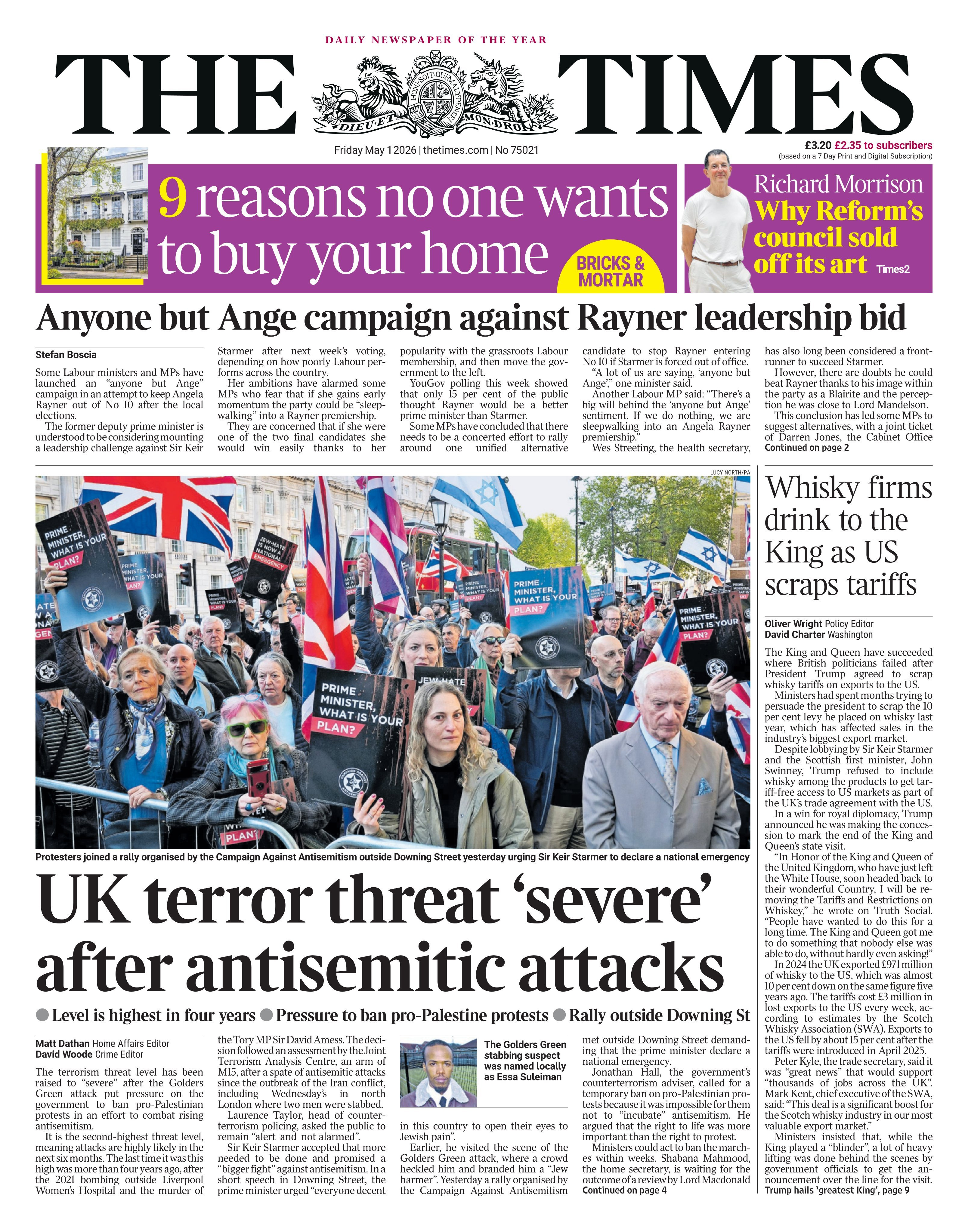
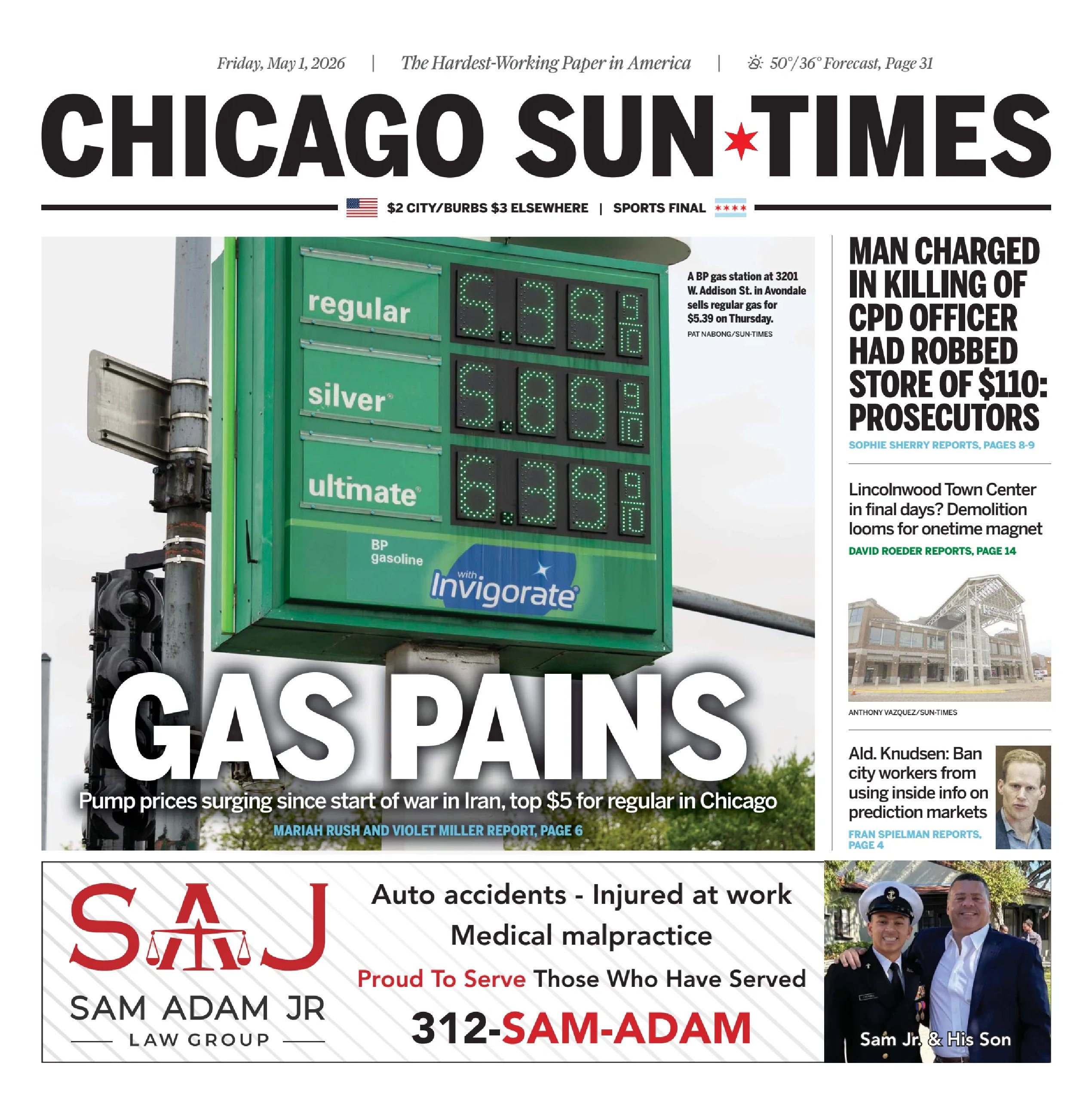
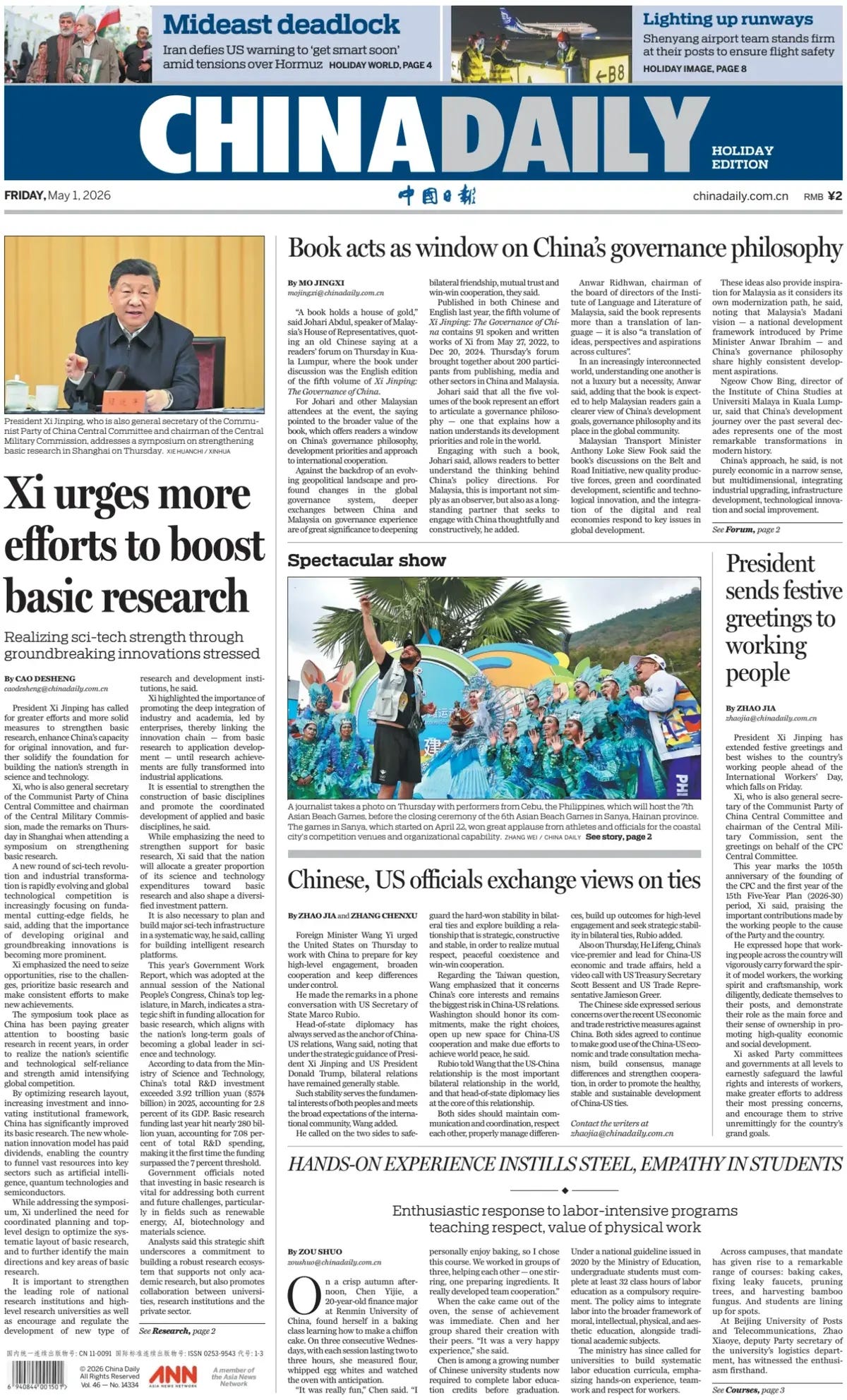
The interruption to supplies of fertiliser and its key ingredients due to the war in Iran could cost up to 10 billion meals a week globally and will hit poorest countries hardest, according to the boss of one of the world’s biggest fertiliser producers. Svein Tore Holsether, chief executive of Yara, told the BBC that hostilities in the Gulf, which have blocked shipping through the Strait of Hormuz, are jeopardising global food production. Reduced crop yields as a result of lower fertiliser use could lead to a bidding war for food, he warned. He urged European nations to consider carefully the impact of a price war on the “most vulnerable” in other countries. Although the UK is very unlikely to face food shortages, the increased costs facing food producers are expected to start showing up on weekly food bills in the next few months. “We’re up to half a million tons of nitrogen fertiliser not being produced in the world right now because of the situation we are in,” Holsether said. “What does that mean for food production? I would get to up to 10 billion meals that will not be produced every week as a result of the lack of fertilisers.” Not applying nitrogen fertiliser would reduce crop yields for some crops by as much as 50% in the first season, Holsether said. “The fertiliser market is very global so these parts are moving across the planet, but the main destinations would be Asia, South East Asia, Africa, Latin America where you would see the most immediate impact from this.” Parts of the world where there is already under-fertilisation, such as several countries in sub Saharan Africa, could see an even larger impact on crop yields, he added, saying “significant drops” there were possible - BBC
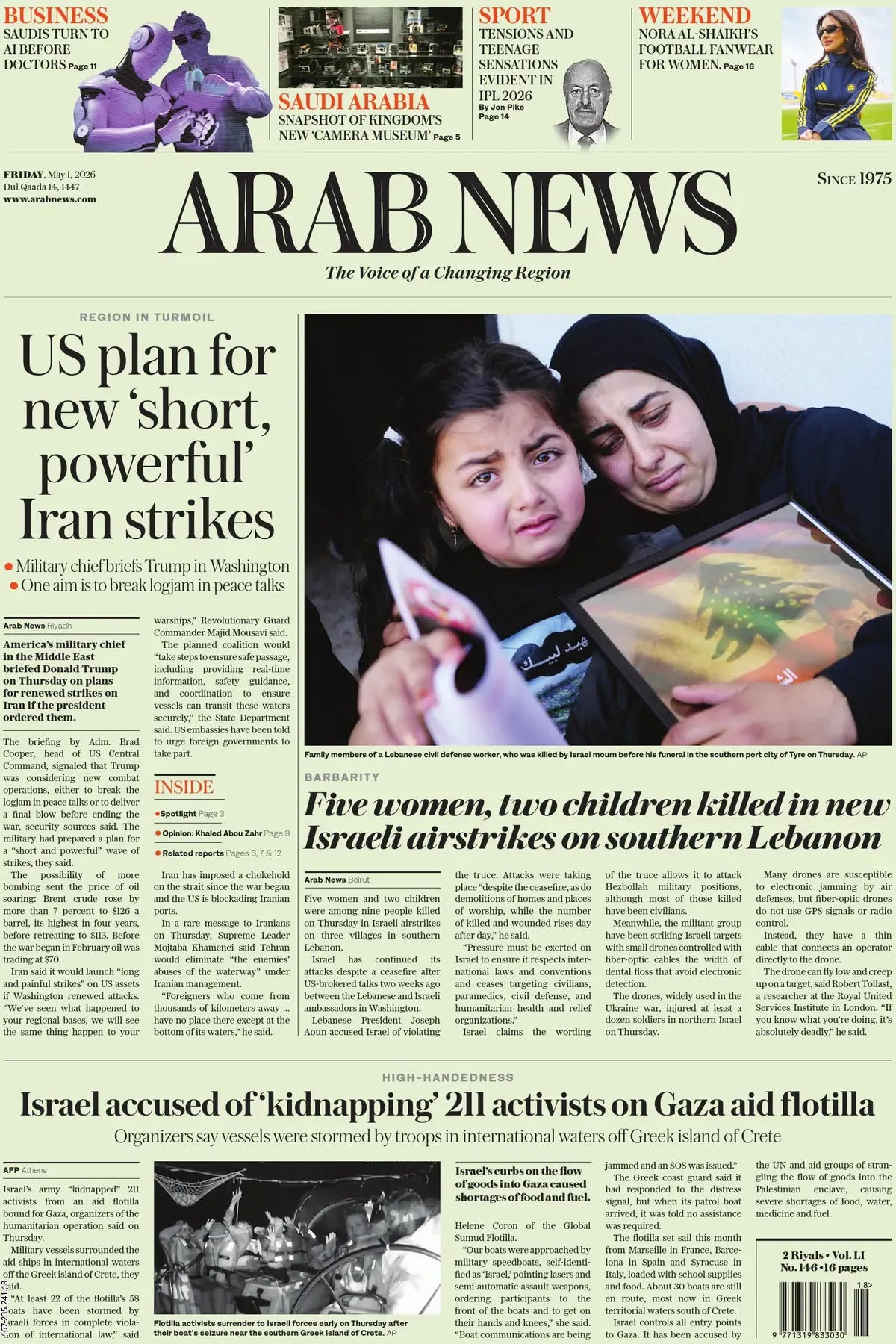
The Trump administration said it did not have to seek Congressional approval for the Iran war, setting up a clash with the legislative branch. US presidents can carry out military operations for 60 days without lawmakers’ backing, a period that ostensibly expires today. But the US defense secretary argued that a temporary ceasefire between Washington and Tehran meant that the clock had paused on any such requirement, a position that many legal scholars — and even some Republicans — have questioned. The domestic political row comes with little apparent progress on the horizon in the Middle East: Tehran has vowed “long and painful strikes” against US bases in the Gulf if Washington resumes hostilities - Semafor
Tehran’s air defenses were activated to counter small aircraft and drones late Thursday, as the White House signaled that it will not be reined in by a congressional deadline on the Iran war. The Tasnim and Fars news agencies reported that air defense systems, heard in some parts of the Iranian capital, were activated “to counter small aircraft and reconnaissance drones” for around 20 minutes but that the situation had returned to “normal” - Al Arabiya
The economic fallout from the closure of the Strait of Hormuz will linger well beyond any reopening, Prime Minister Lawrence Wong warned Friday, as Asia braces for prolonged supply disruptions and rising costs. Speaking at a May Day rally, Wong said the situation could take months to stabilise, with fuel shortages already emerging in parts of Asia due to heavy reliance on Gulf energy supplies, CNA reported. Even if shipping resumes, damaged infrastructure, uncleared mines and security concerns could delay a return to normal. The strait - a critical artery for global oil - has been shut for more than two months, driving higher prices and tightening supply chains. Wong warned of slower growth and higher inflation ahead, putting pressure on households and businesses. Singapore has rolled out a S$1 billion support package and says more aid could follow - but the broader message is clear: this crisis is far from over.
The detained former Myanmar leader Aung San Suu Kyi has been moved to house arrest, the country’s state media has reported. The 80-year-old Nobel laureate has been held in detention - probably in a military prison in the capital Nay Pyi Taw - since she was removed from office in a military coup in 2021. A statement by military leader Min Aung Hlaing, who led the coup, said he had “commuted her remaining sentence to be served at the designated residence”. Aung San Suu Kyi came to power in 2015 after Myanmar’s then rulers introduced democratic reforms. Before that, she spent decades of military rule as a pro-democracy activist, and was previously held for more than 15 years under house arrest. State media broadcast a picture of her sitting with two uniformed personnel. Her son Kim Aris said he was sceptical about the announcement and that he did not even have proof that she was alive. He said the picture was “meaningless” as it was taken in 2022. “I hope this is true. I still haven’t seen any real evidence to show that she has been moved,” he told the BBC. “So, until I’m allowed communication with her, or somebody can independently verify her condition and her whereabouts, then I won’t believe anything.” Prior to the announcement, nothing was known about her health or living conditions, and Kim Aris said in December he had not heard from her in years. Her legal team told Reuters they had had no direct notification about her house arrest - BBC
Academy Award winner Pavel Talankin has lost his Oscar: the co-director and star of Mr. Nobody Against Putin said it went missing after he boarded a Lufthansa flight at New York City’s JFK airport on Wednesday morning. The Russian told Deadline that he had tried to bring the statuette in his carry-on, but it was confiscated by the Transportation Security Administration, which said it posed a safety threat. The 2026 Best Documentary Feature winner said he had carried it on to other flights. “It’s completely baffling how they consider an Oscar a weapon,” the 35-year-old said. “[I] flew with it in the cabin and there never was any kind of problem.” The director filmed two Lufthansa agents bubble-wrapping the statuette and handing him a tag for the box, then taking it off to transport it on his flight. The documentary’s executive producer and Talankin’s translator, Robin Hessman, said: “[Pavel] calls me this morning from Frankfurt, saying Lufthansa doesn’t have it. They lost it. He has a ticket number [for the box] and they can’t find it.” Talankin fled Russia and now lives in Europe, taking with him footage that would form the basis of the documentary, which shows how a school thrust military recruitment propaganda on students during the invasion of Ukraine - The Daily Beast
The journals….