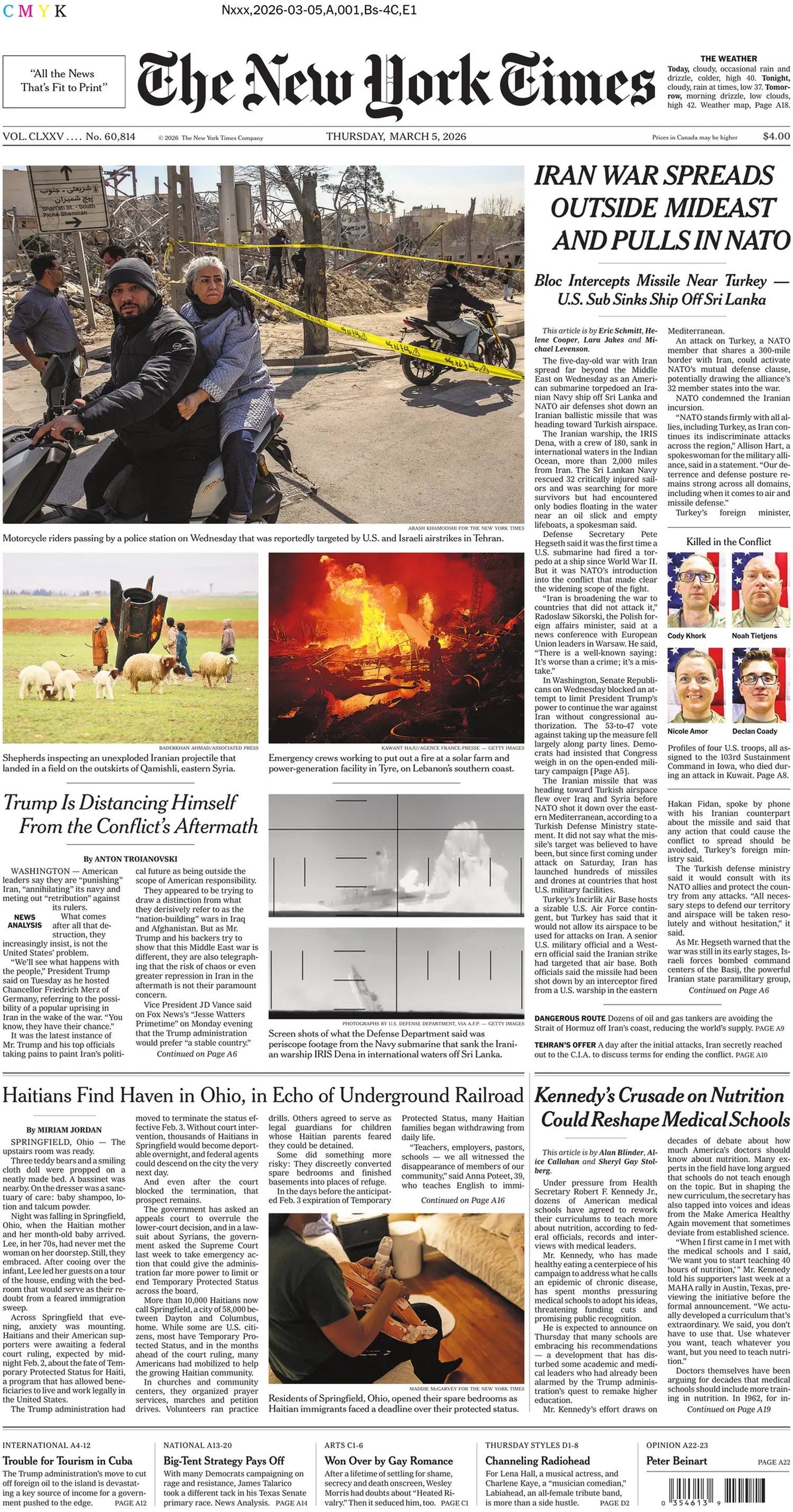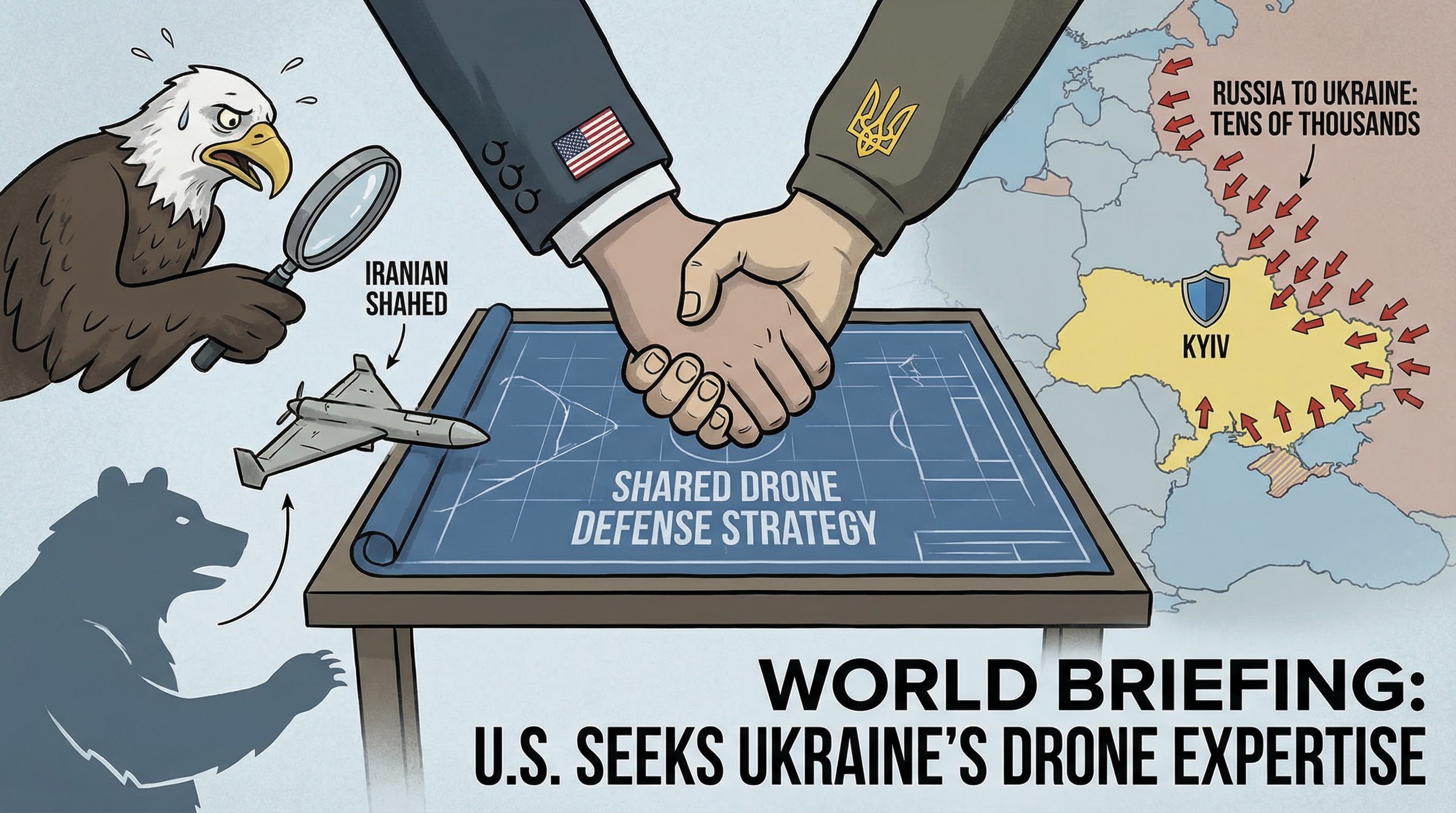
In a dramatic turn of the proverbial tables, Ukrainian president Volodymyr Zelenskyy has said he received a request from the United States “for specific support” in dealing with Iran’s Shahed attack drones, as the US and its allies in the Middle East seek Ukraine’s expertise in countering such attacks. It follows reporting yesterday that top US military officials told lawmakers in a closed-door briefing on Tuesday that they may not be able to shoot down every Iranian drone being launched against US military installations and assets in retaliatory attacks. Ukraine, meanwhile, has been countering Russian attacks using Shahed drones – one of Iran’s best known weapons - for the last four years. Last year alone, Russia launched over 50,000 of them into Ukraine, the majority of which were intercepted. “I gave instructions to provide the necessary means and ensure the presence of Ukrainian specialists who can guarantee the required security,” Zelenskyy wrote on X. “Ukraine helps partners who help ensure our security and protect the lives of our people.” Yesterday, Zelenskyy said he said he has spoken in recent days with the leaders of the United Arab Emirates, Qatar, Bahrain, Jordan and Kuwait about possible cooperation. He has said that Ukrainian assistance in countering Iranian drones will be provided only if it does not weaken Ukraine’s own defenses, and if it adds leverage to Kyiv’s diplomatic efforts to stop the Russian invasion. The irony of the Trump administration, which has for the last year held leverage over – and been highly erratic towards – Ukraine regarding military assistance and supplies of weapons, now needing help from the country whose leader it has publicly berated, is not lost on us – and will certainly not be lost on Zelenskyy - The Guardian
The reason for the diplomatic outreach to Zelenskyy is that the U.S. has figured out that using a $4 million PAC-3 interceptor missile fired from a Patriot battery to knock down an Iranian Shahed drone costing about $30,000 doesn’t make much sense. Following Trump’s decision to attack Iran alongside Israel, Tehran is retaliating by using its drones and ballistic missiles to pummel U.S. bases as well as American-allied countries, in addition to targets as far away as Cyprus and Azerbaijan. “You have air defenses, and a lot’s coming in, and you hit most of it,” U.S. Defense Security Pete Hegseth told reporters at the Pentagon on Monday. “Every once in a while, you might have one, unfortunately, we call it a squirter, that makes its way through.” There’s a reason Ukraine is offering its expertise. The country has been shooting down Russian missiles and drones — especially Iran-designed Shahed drones — for more than four years. In January, Ukraine faced an average of 143 Shahed-type drone and decoys daily, intercepting 122 of them, according to a study by the Institute for Science and International Security. Ukrainian units haven't just mastered drone defenses, they've reshaped the battlefield with offensive drone tactics — as seen last year during Estonia’s Hedgehog drills, where a 10-person Ukrainian Nemesis drone team outmaneuvered two NATO battalions. As Western and Gulf militaries scramble to adapt to Iran’s expanding drone campaign, Kyiv is signaling it is ready to teach others its battlefield lessons. Lt. Col. Pavlo Laktionov, deputy commander of the 412th Nemesis Brigade of the Unmanned Systems Forces, described to POLITICO how his unit ran rings around their NATO counterparts last May, and explained what that says about the preparation of Western militaries to deal with drone warfare. Such warfare is a hallmark of the Ukraine-Russia conflict and is now being employed by Iran.
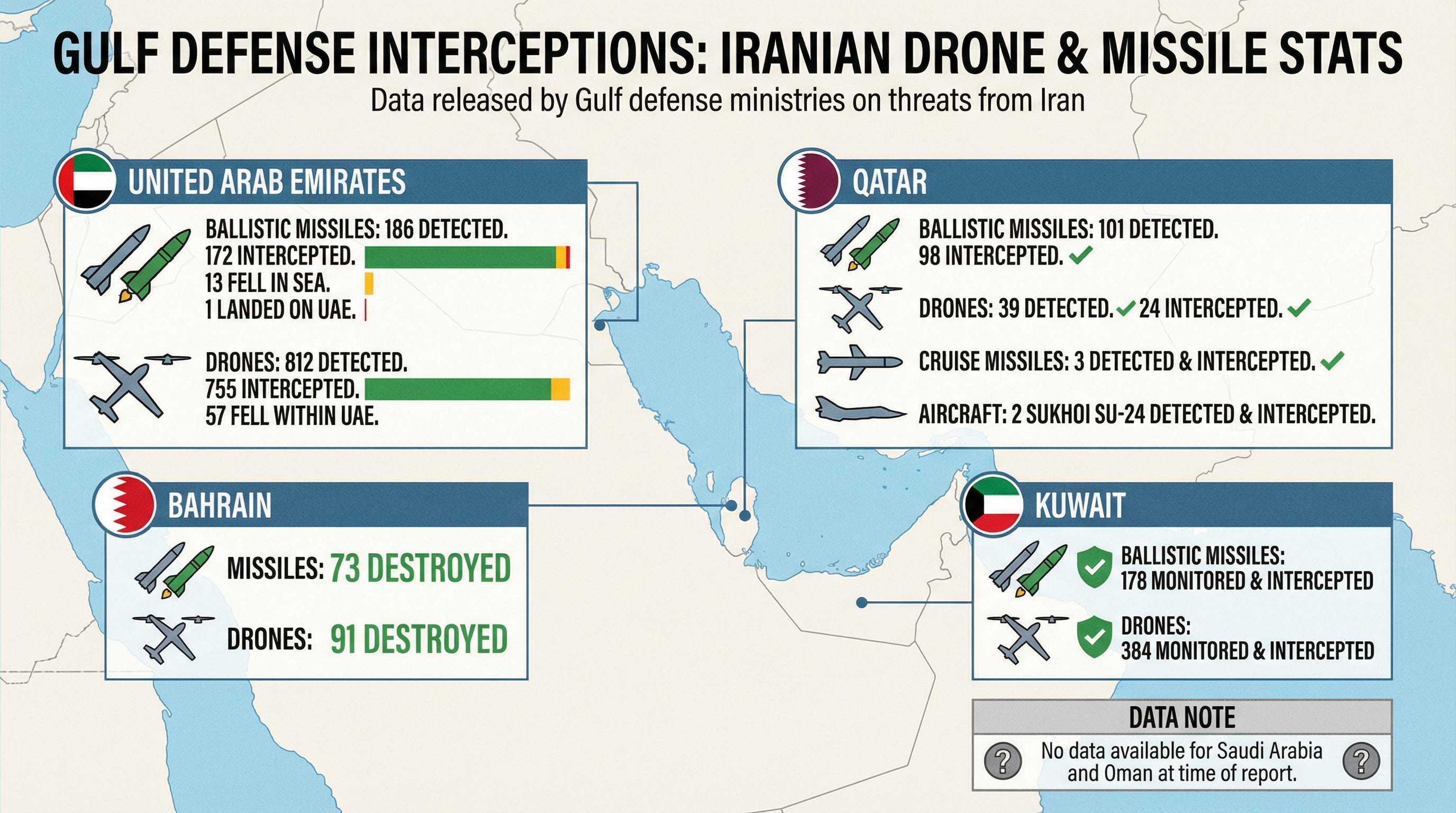
According to the Institute for the Study of War’s March 5 Iran Update, Iran had attacked 11 countries - firing more than 150 ballistic missiles, 800 missiles and launched more than 1600 drones since the conflict began on February 28.
“Ten people with the right drones and skills today are worth an entire regiment or battalion fighting according to the textbooks of the last century - Lt. Col. Pavlo Laktionov
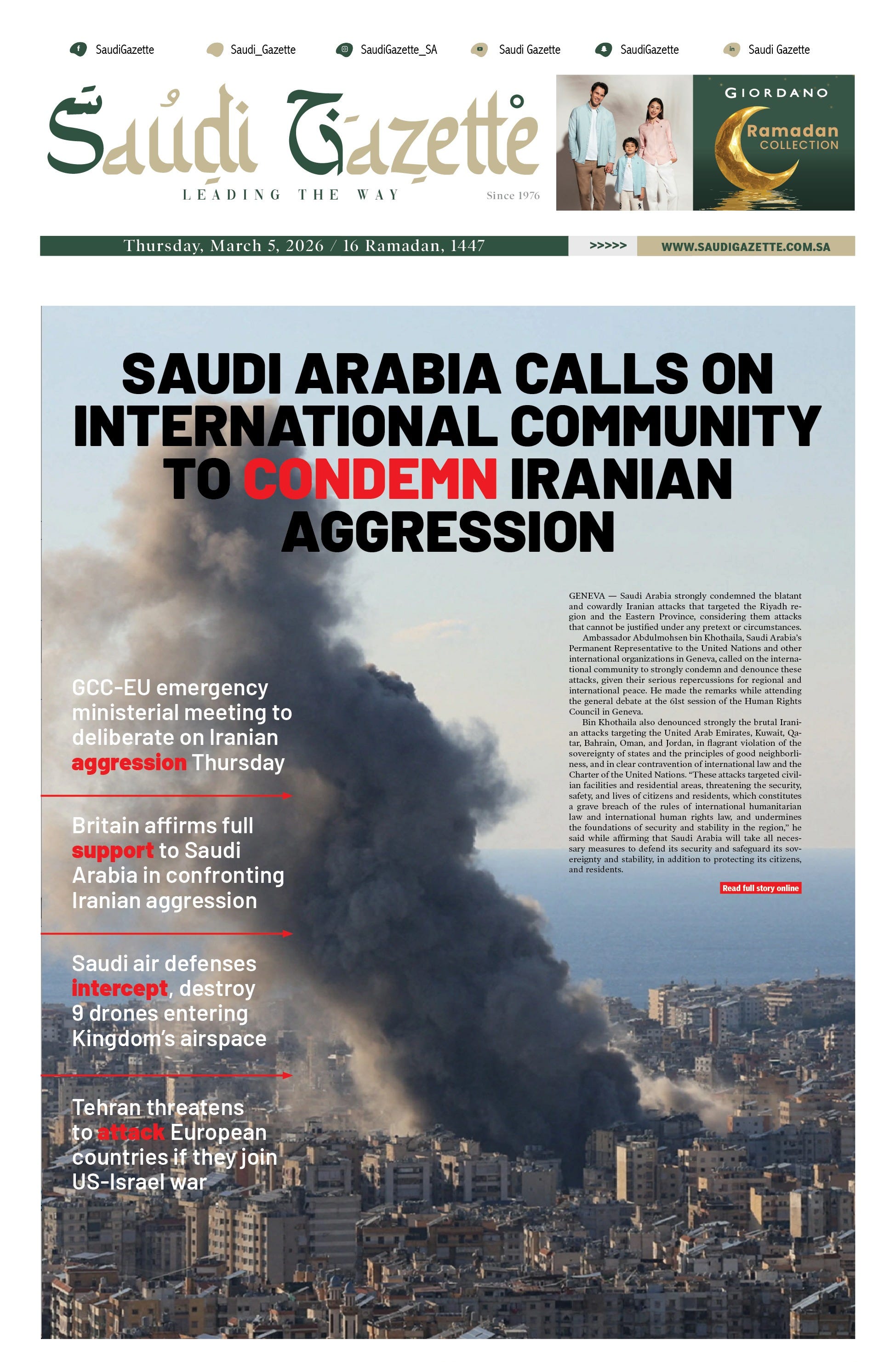
Fears are growing in Azerbaijan, Iran’s northwestern neighbor, that the South Caucasus country could become embroiled in the US-Israeli war on Tehran that is widening in scope. Baku accused Iran of firing drones that struck an airport and school in Azerbaijan’s Nakhchivan autonomous region on March 5, calling it an “act of terror” and vowing to respond. Tehran denied it fired the drones that injured two people. The incident has heightened concerns in Azerbaijan -- which has close military, economic, and energy ties to Israel, Tehran’s archenemy -- that it could become a target of the Islamic republic’s expanding response to the massive US-Israeli air campaign launched on February 28. “This is a dangerous situation,” said Jasur Mammadov, a Germany-based Azerbaijani military analyst. “Azerbaijan has a long border with Iran,” and if Turkey, Baku’s closest ally, is not involved, “it would be very difficult to defend the country,” he added. Much of the concern in Azerbaijan, an oil-rich country of around 10 million people, is centered around fears that Iran could target its energy infrastructure, including pipelines and production facilities. “Iran has developed drone technology capable of flying as far as 1,000 kilometers,” said Mammadov, referring to a long-range version of the Shahed drone that can travel around 1,500 kilometers. “That means it could easily reach Azerbaijan’s energy infrastructure in the Caspian Sea, as well as any city.” Experts say Baku's close ties with Israel make it a potential Iranian target. Azerbaijan, which shares an around 700-kilomter border with Iran, is a major supplier of oil to Israel. Israel, in turn, is a seller of arms and drones to Baku. - RFE/RL
Iran struck the Iraq-based headquarters of Kurdish opposition forces, amid reported discussions between the fighters and Washington over allying in the attack on Tehran. Kurds make up about a tenth of Iran’s population, and the ethnic group’s other national factions in Iraq and Syria have allied with the US in prior decades to fight those countries’ rulers. Senior Kurdish leaders denied having made any ground incursion into Iran thus far, but several outlets reported that Iranian Kurdish groups were in talks with Washington, which is mulling arming the militias in order to help overthrow Iran’s leadership. The strategy is a risky one, though, with a leading Iranian American historian telling The National that it was “a recipe for civil war.” - Semafor
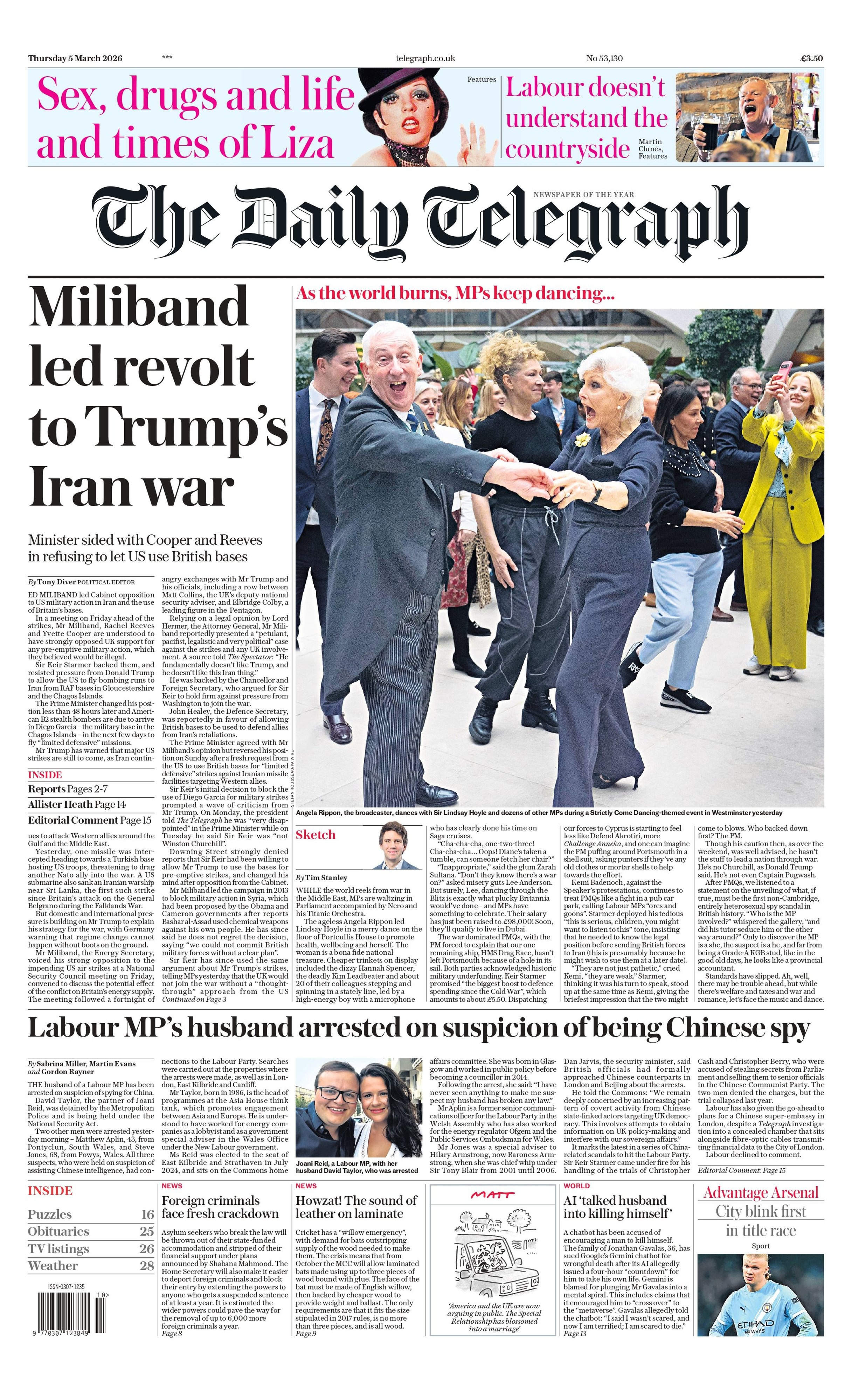
U.S. President Donald Trump told Reuters on Thursday the United States must be involved in choosing the next leader of Iran and said it would be “wonderful” if Iranian Kurdish forces based in Iraq were to cross into Iran to launch attacks on security forces there. Trump said in a telephone interview that he thinks the next leader of Iran is unlikely to be the late Supreme Leader Ayatollah Ali Khamenei’s son, who has emerged as a frontrunner to succeed his father, who was killed in a military strike at the start of the war. “We’re going to have to choose that person along with Iran. We’re going to have to choose that person,” Trump said. On leadership succession in the Islamic Republic, the Republican U.S. president drew a parallel to Venezuela, where U.S. forces removed President Nicolas Maduro in January, leaving in charge Delcy Rodriguez, his number two, who Trump said "has done a wonderful job." “We want to be involved in the process of choosing the person who is going to lead Iran into the future, so we don’t have to go back every five years and do this again and again. We want somebody that’s going to be great for the people, great for the country,” Trump said. He did not elaborate after saying that Khamenei’s son Mojtaba, who has emerged as a frontrunner to succeed him, was an unlikely choice. Asked whether exiled Iranian Crown Prince Reza Pahlavi, the son of the last shah, was a possibility, Trump said, “I think everybody’s in the mix. It’s very early.” - Reuters

US President Donald Trump has announced he is replacing Homeland Security Secretary Kristi Noem. Noem, who has led Trump’s immigration drive, will be replaced with Republican Senator Markwayne Mullin, Trump says. “The current Secretary, Kristi Noem, who has served us well, and has had numerous and spectacular results,” Trump said in a post on Truth Social. He added that Noem will now shift to a newly established position, the Special Envoy for The Shield of the Americas, which Trump said was a “new Security Initiative in the Western Hemisphere. CBS News also reports that DHS special adviser Corey Lewandowski will also leave the department - BBC
The final straw for Noem was a Tuesday Senate hearing where she sparred with Republicans as well as Democrats and claimed that Trump had approved a $200 million-plus DHS ad campaign, first reported on by Semafor. Trump, sources confirmed, was incensed by Noem’s assertion that he had signed off on the campaign. On Thursday, the president told Reuters he “never knew anything about” the advertising campaign, contradicting Noem’s sworn testimony on Capitol Hill where she insisted Trump had signed off on it. Many inside the White House have hoped for Noem’s ouster for months, as Semafor recently reported, and Trump aides have long named her as the most likely Cabinet official to be replaced.
Hungarian Prime Minister Viktor Orbán vowed on social media Thursday to “break the Ukrainian oil blockade by force,” promising “no deals, no compromise” in his campaign to restore the flow of Russian crude to his country. “We will break the oil blockade. We will force the Ukrainians to restart deliveries,” the nationalist-populist leader repeated during a speech in front of Hungary’s Chamber of Commerce and Industry, referencing a damaged pipeline that Ukraine has claimed can’t be fixed. A thousand kilometers away in Kyiv, as if picking up the gauntlet, Ukrainian President Volodymyr Zelenskyy mocked Orbán’s bluster and conceded the pipeline actually could be fixed within a month and a half. “They [the Russians] are killing us, and we’re supposed to give poor little Orban oil, because without it he won’t win elections,” the Ukraine leader said. The real reason Ukraine was prepared to repair the pipeline, he added, was to unblock a €90 billion loan from the EU that Hungary has vetoed. “We hope a certain person in the EU will not keep blocking the 90 billion ... and Ukrainian soldiers will have weapons,” Zelenskyy added. “Otherwise, we will give the address of this person to our armed forces, our guys. Let them call him, speak with him in their own language.” Hungary holds parliamentary elections on April 12, and Orbán faces defeat at the hands of his rival, Péter Magyar of the pro-EU Tisza party, who led him by eight percentage points in polling late last month. Orbán has made Russia’s war on Ukraine one of the pillars of his campaign, accusing neighboring Kyiv of slow-walking repairs to the Druzhba (Friendship) pipeline that used to bring Russian crude to Central Europe, and claiming the political opposition was conspiring with Brussels and Kyiv to deprive his country of access to cheap fuel. Ukraine has claimed the pipeline was badly damaged by shelling, but is widely seen as reluctant to allow Moscow to continue collecting oil revenues from EU countries - Politico
Tensions between Kyiv and Budapest flared sharply today after Ukraine’s foreign minister, Andrii Sybiha, accused Hungarian authorities of detaining seven Ukrainian citizens in Budapest in what he described as a “hostage-taking” incident. According to Sybiha, the detained individuals are employees of Oschadbank who were transporting cash in two bank vehicles transiting between Austria and Ukraine as part of routine state banking operations. Ukrainian officials say the circumstances of the detention remain unclear and that Kyiv has not been able to establish contact with the employees or confirm their well-being.
Sybiha accused authorities under Hungarian Prime Minister Viktor Orbán of effectively seizing both the staff and the funds, describing the incident as “state terrorism and racketeering.” Ukraine’s foreign ministry said it has sent a formal diplomatic note demanding the immediate release of the citizens and plans to raise the matter with the European Union, urging the bloc to formally assess Hungary’s actions. The episode risks further straining already tense relations between Kyiv and Budapest, which have been marked by repeated disputes over sanctions, military support for Ukraine, and Hungary’s ties with Moscow.
Thousands of cruise passengers are stranded in Gulf ports amid escalating tensions in the Middle East following President Donald Trump’s strikes on Iran. At least six vessels operated by MSC Cruises and Celestyal Cruises were left docked in regional ports, including Dubai, after Iran announced it would close the Strait of Hormuz, one of the world’s most critical shipping routes, and warned it could attack ships attempting to pass. Passengers described rising panic aboard ships that had effectively become floating hotels. “Many passengers, including many families with children, are starting to lose their composure,” one traveler told the German newspaper Bild, describing scenes of “panic, tears” and uncertainty about when passengers could leave. Darren Lee, a passenger from Manchester aboard the MSC Euribia in Dubai, said he heard loud “booms” believed to be interceptions of rockets or drones overhead. Cruise companies said authorities had not yet allowed passengers to disembark - The Daily Beast
World Briefing | News Brief
The global crackdown on journalists is deepening, with the number of reporters jailed around the world surging as governments tighten control over information and dissent, The New York Times said in an editorial today. What began largely in authoritarian states is now spreading into countries that once prided themselves on protecting civil liberties.
A striking recent example, the newspaper said, is the case of Jimmy Lai, the pro-democracy Hong Kong media owner who was sentenced last month to 20 years in prison for campaigning against Beijing’s tightening grip on the territory. Lai, 78, has already spent five years in detention and suffers from poor health. The sentence, critics say, effectively condemns him to die behind bars. Lai has denied all charges against him.
The trend is global. According to the Committee to Protect Journalists, at least 330 journalists were imprisoned worldwide at the end of 2025, up from fewer than 200 a decade ago. More than a third were serving sentences of five years or longer, while nearly half remained detained without formal sentencing. One-fifth report being tortured or beaten. Meanwhile, 129 journalists died in 2025 while doing their jobs or because of them, the highest number recorded since tracking began in 1992. Among the worst offenders cited are China, Russia, Egypt, Ethiopia, Iran, Israel, Myanmar, Sudan and Turkey.
Many of those jailed were targeted simply for doing their jobs. “These courageous journalists have sought to shine a light on the world around them. They ask questions that political leaders do not want to answer and publish information that leaders do not want the public to know,” the newspaper said.
Recent cases illustrate how widely the pressure is spreading. In Cambodia, reporters Pheap Phara and Phon Sopheap were each sentenced to 14 years in prison for reporting on a border dispute with Thailand, while journalist Luot Sophal was charged with “demoralizing the armed forces.” In Senegal, commentator Abdou Nguer was arrested after questioning official accounts surrounding a student’s death during protests. In Ethiopia, authorities revoked the license of the independent outlet Addis Standard and denied accreditation renewals to three Reuters journalists following reporting on a secret training camp linked to Sudanese fighters.
Even countries with stronger democratic traditions are facing troubling trends. Israel’s war in Gaza has seen the detention of nearly 100 Palestinian journalists, often without charge, while at least twice that number have been killed over two years. In Mexico, officials have increasingly dismissed critical reporting as “fake news,” and in India a court sentenced journalist Ravi Nair to one year in prison over social media posts criticizing a company linked to a close ally of Prime Minister Narendra Modi.
The pressure is not confined to developing democracies. The editorial argues that even in the United States, long seen as a global beacon for free speech, the media has faced growing pressure from the Trump administration. The government has attempted to restrict Pentagon coverage to officially approved information, searched the home of a Washington Post reporter, arrested journalists covering protests in Minnesota and filed lawsuits against several major media outlets including The New York Times, CNN, ABC News, The Wall Street Journal, The Washington Post and the owner of CBS News.
“The goal of leaders who try to muzzle the media is plain enough,” the editorial concludes. “They want to snuff out the truth and establish a monopoly on information. They want only news that flatters the government.”
The stakes, it warns, go far beyond the fate of individual reporters. “A society without a free press is one in which the government is likely to do a poorer job of providing its citizens with decent lives and instead to become a corrupt self-enrichment machine for elites.” The best defense, the editorial argues, is sustained global attention on those who continue to report despite the risks.
The journals….