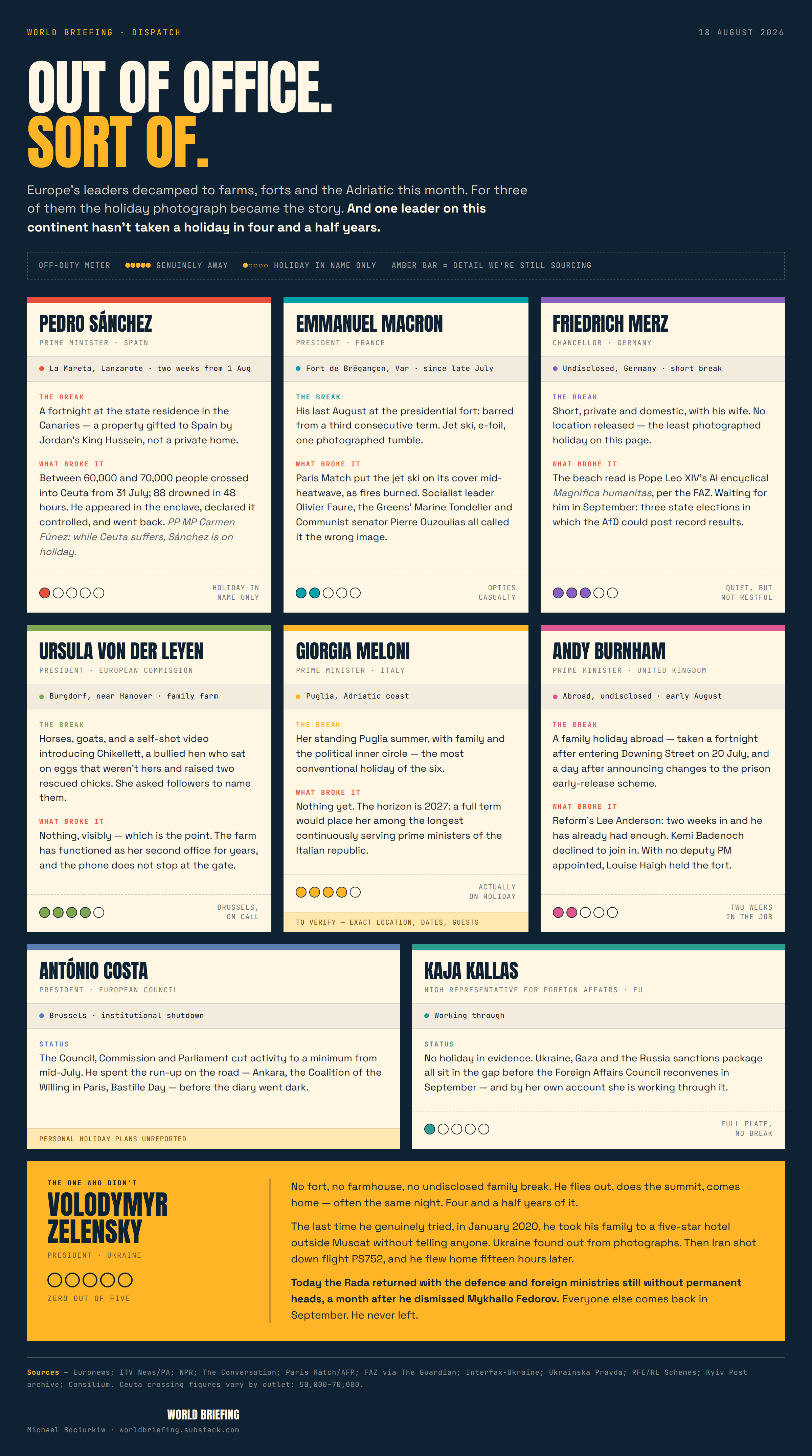
Europe has gone to the beach, and Euronews has been keeping the register. Ursula von der Leyen is on the family farm near Hanover, filming her hens. Giorgia Meloni is in Puglia. Emmanuel Macron is at Fort de Brégançon for the last August of his presidency, and Friedrich Merz is somewhere in Germany he won’t name, reportedly with Pope Leo XIV’s AI encyclical in his bag.
Then there’s the other list — the leaders for whom the holiday photograph has become the story.
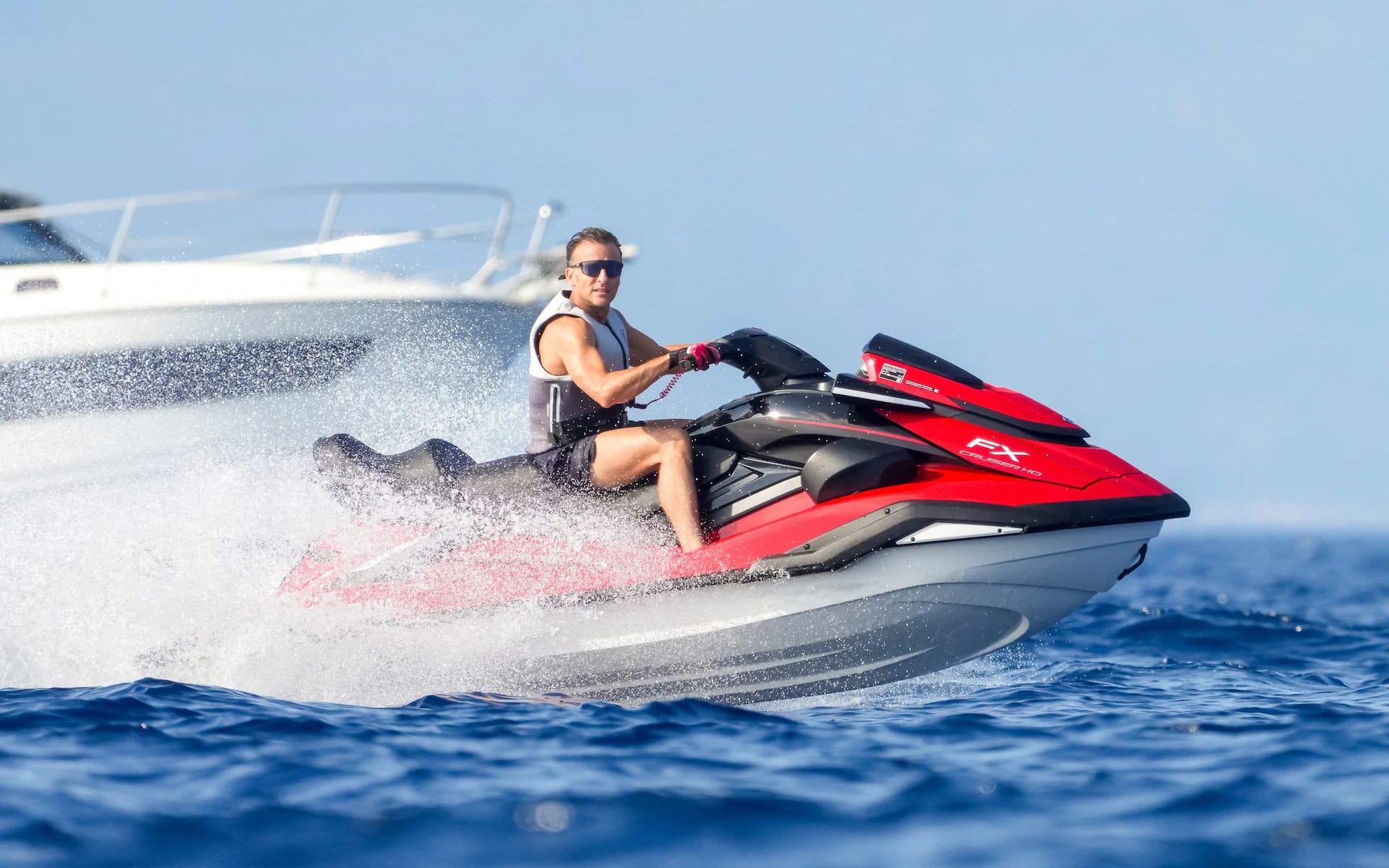
Macron managed it in one frame. Paris Match put him on its cover on a jet ski, under the line “last summer at the controls,” while France sweated through a heatwave and firefighters worked the tree line. Socialist leader Olivier Faure asked what message that sent. Marine Tondelier and Senator Pierre Ouzoulias piled in behind him.
Pedro Sánchez had it worse: he left for La Mareta in Lanzarote as tens of thousands crossed into Ceuta and 88 people drowned in 48 hours.
And Andy Burnham — two weeks into Number 10, having waited most of a decade to get there — went abroad with his family, prompting Reform’s Lee Anderson to declare he’d “already had enough.”
We Canadians know this genre well. Justin Trudeau surfed at Tofino on the first National Day for first National Day for Truth and Reconciliation, a holiday his own government had created. The image outlived the apology by years.
The exception
Here’s the thing nobody seems to have said out loud this month.
There is one leader on the European continent who has not taken a holiday in living memory, and he is the one with the best possible excuse to want one.
Volodymyr Zelensky does not go away. He flies out, he does the summit, he comes home — often the same night. Four and a half years of it. No fort on the Riviera, no farmhouse, no undisclosed break with the family.
The last time he genuinely tried, it went badly enough to be instructive. In January 2020 he took his family to the Al Bustan Palace Ritz-Carlton outside Muscat and told nobody. Ukraine found out when Strana.ua published the photographs. His office scrambled to reframe it as an investment mission, producing a hastily arranged sit-down with Oman’s foreign minister that fooled approximately no one. Then, on 8 January, Iran shot down Ukraine International Airlines flight PS752 over Tehran, killing 176 people. The president flew home roughly fifteen hours later. RFE/RL’s Schemes subsequently alleged he may have met a senior Russian security official during the trip; the presidential office denied it and sued.
Even his one earlier holiday is a punchline. On 31 December 2018 he announced his presidential candidacy on 1+1’s New Year’s Eve show — timed, as it happened, to air ahead of the incumbent Petro Poroshenko’s traditional address on the same channel. His wife was on holiday with the family and learned about it from her phone the next morning, along with everyone else. He later apologised, on camera, in 2022.
Which brings us to today
The Verkhovna Rada came back into session this morning. Euronews reports it returns with both the defence and foreign ministries still lacking permanent heads — a month after Zelensky abruptly dismissed Mykhailo Fedorov, and with Andrii Sybiha staying on in an acting capacity at foreign affairs.
Under Ukraine’s post-Maidan constitution, only the president can put names forward for those two jobs. He has not. A country in its fifth year of full-scale invasion, under intensifying ballistic missile attack, is running its defence ministry on an acting basis in August. Fedorov’s dismissal brought people onto the streets in some twenty cities — unusual in wartime — and they are still gathering in Kyiv, Odesa and elsewhere.
And demanding the parliament get on with it, with some relish, is Petro Poroshenko.
The verdict
August in Europe is no longer a pause. It is a stress test, and the leaders who pass it are simply the ones whose crises stayed off camera. Macron, Sánchez and Burnham didn’t get that luxury this year. A mix of man-made (or ‘people-made’ as Justin would probably have us say) and natural disasters.
But there is a difference between a holiday that becomes a problem and a job that has never once permitted one. Zelensky’s calendar is not evidence of virtue — the vacancies on his desk this morning are his own to fill, and the protests are aimed squarely at him. It is evidence of something narrower and harder: a presidency with no off switch, in its fifth summer.
Everyone else gets to come back in September. He never left.
Reporting drawn from Euronews, whose survey of Europe’s holidaying leaders and coverage of today’s Rada session anchor this piece. Additional sourcing: ITV News and PA (Burnham); Paris Match and AFP (Macron); NPR and The Conversation (Ceuta); FAZ via The Guardian (Merz); Interfax-Ukraine and Ukrainska Pravda (the Rada); RFE/RL’s Schemes, Strana.ua and the Kyiv Post archive (Oman); Ukrainska Pravda (Olena Zelenska). Ceuta crossing figures vary by outlet between 50,000 and 70,000.
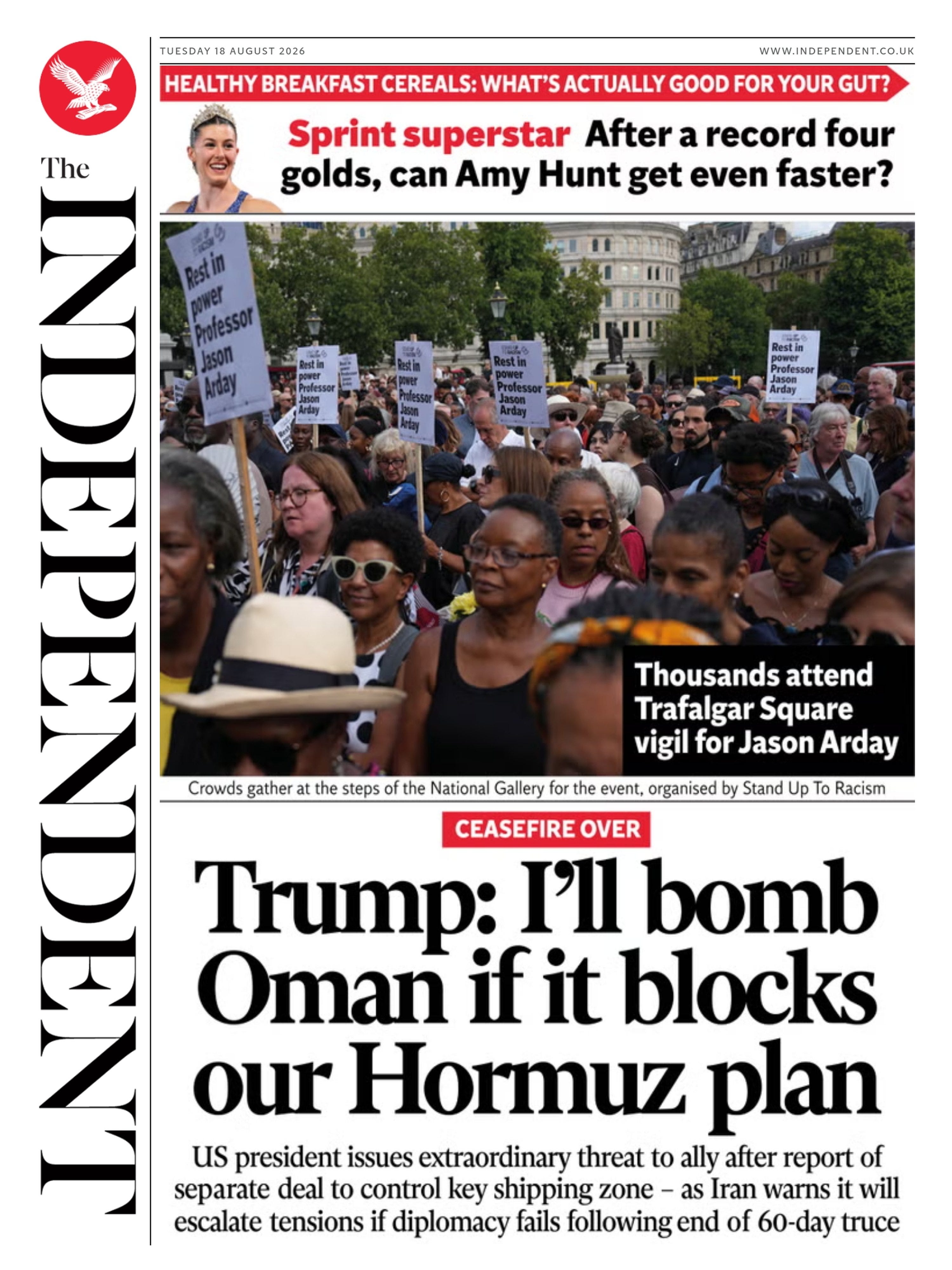
UK Prime Minister Andy Burnham has dismissed warnings by Russia of “consequences” following confirmation that British-made drones were used in recent strikes on military and industrial targets in Russia. In a statement, the Russian embassy to the UK accused Britain of “deliberately opting for an escalation of the Ukraine crisis,” adding that “the deeper its involvement in the conflict... the higher the price it will pay”. Speaking to Sky News just after 12:30 BST, Mr. Burnham said: “We stand with Ukraine 100 percent against this illegal war led by Vladimir Putin. We are providing support so that Ukraine can defend itself. And that’s been the British position all the way through this conflict by previous prime ministers. It remains the case with me. We are not fair weather friends. We will be there in Ukraine’s hour of need and that won’t change.” Ukraine has stepped up attacks on Moscow and elsewhere deep inside Russia, particularly targeting oil refineries and logistics sites for its key online retailer Wildberries. Two British companies are known to have built drones supplied to Kyiv. A military source confirmed to the BBC that UK drones had been used in recent attacks on Russia, which are said to have caused more than £35bn in economic damage.
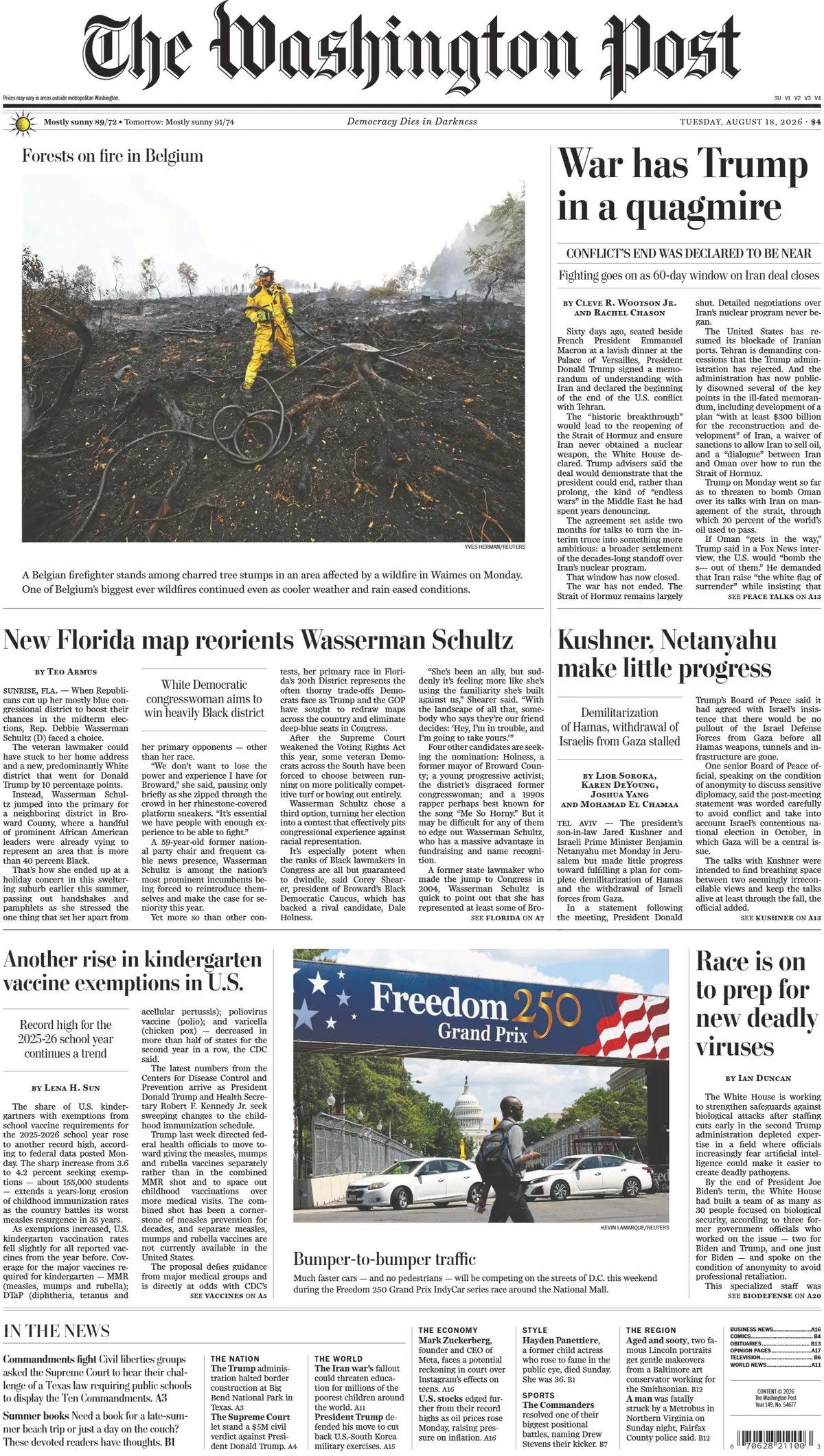
Canadian-owned Westinghouse Electric is among the companies that receive low enriched uranium (LEU) from Russia to fuel commercial nuclear reactors in the U.S., shipping data analyzed by CBC’s the fifth estate shows. The U.S. banned the import of Russian enriched uranium in August 2024 in order “to sever U.S. dependence on Russian material and secure a strong domestic fuel supply,” according to the U.S. Department of Energy (DOE). But the Prohibiting Russian Uranium Imports Act allows the DOE to waive the ban if “no alternative viable source of LEU is available” or the “import of the LEU is in the national interest.”
The waivers are scheduled to end by Jan. 1, 2028. While Canada has imposed Russian sanctions against 875 entities and 1,739 individuals, Global Affairs confirmed to the fifth estate that Rosatom and its export arm, Tenex, are not listed.
“The government of Canada has not imposed sanctions on the state atomiс energy corporation Rosatom or Techsnabexport (Tenex),” the federal department said in an email. “However, a number of subsidiaries and individuals related to Rosatom have been sanctioned.” The European Union has imposed 21 packages of sanctions against Russia targeting nearly 3,000 individuals and entities, but the bloc of 27 countries has not banned the importation of Russian enriched uranium - CBC
Russians are pulling billions from their bank accounts over fears that Vladimir Putin could grab their money to fund his increasingly attritional war with Ukraine. The tide of the war has turned lately, with a Ukrainian counter-offensive reaching deep inside Russia, targeting commerce and energy infrastructure. Russians are watching on nervously, already sheepish because of a fuel crisis. Depositors have pulled out nearly $3.4 billion in just the first two weeks of August—on top of a staggering $11.8 billion yanked in June and July. According to Sberbank senior executive Taras Skvortsov, total capital flight this year could reach double the amount drained during the initial wave after the 2022 invasion.
The relentless exodus is triggering severe liquidity shortages across a banking sector already teetering under mounting bad debts, forced to finance a state-directed, wartime lending spree to feed the Kremlin’s military machine. Big businesses are squeamish, too. Fresh Central Bank figures reveal a staggering capital outflow, with more than $9.4 billion transferred out of Russia in the second quarter of 2026 alone. The exodus is making it much harder for the Russian government to borrow money to fund its war. Russia’s Finance Ministry relies heavily on selling state bonds to cover a growing budget deficit caused by sky-high military spending and a stalling economy, but last month it was forced to cancel planned bond sales altogether because the cash simply wasn’t there.
A war of attrition would mean an increasingly unstable strain on the Russian economy - The Daily Beast
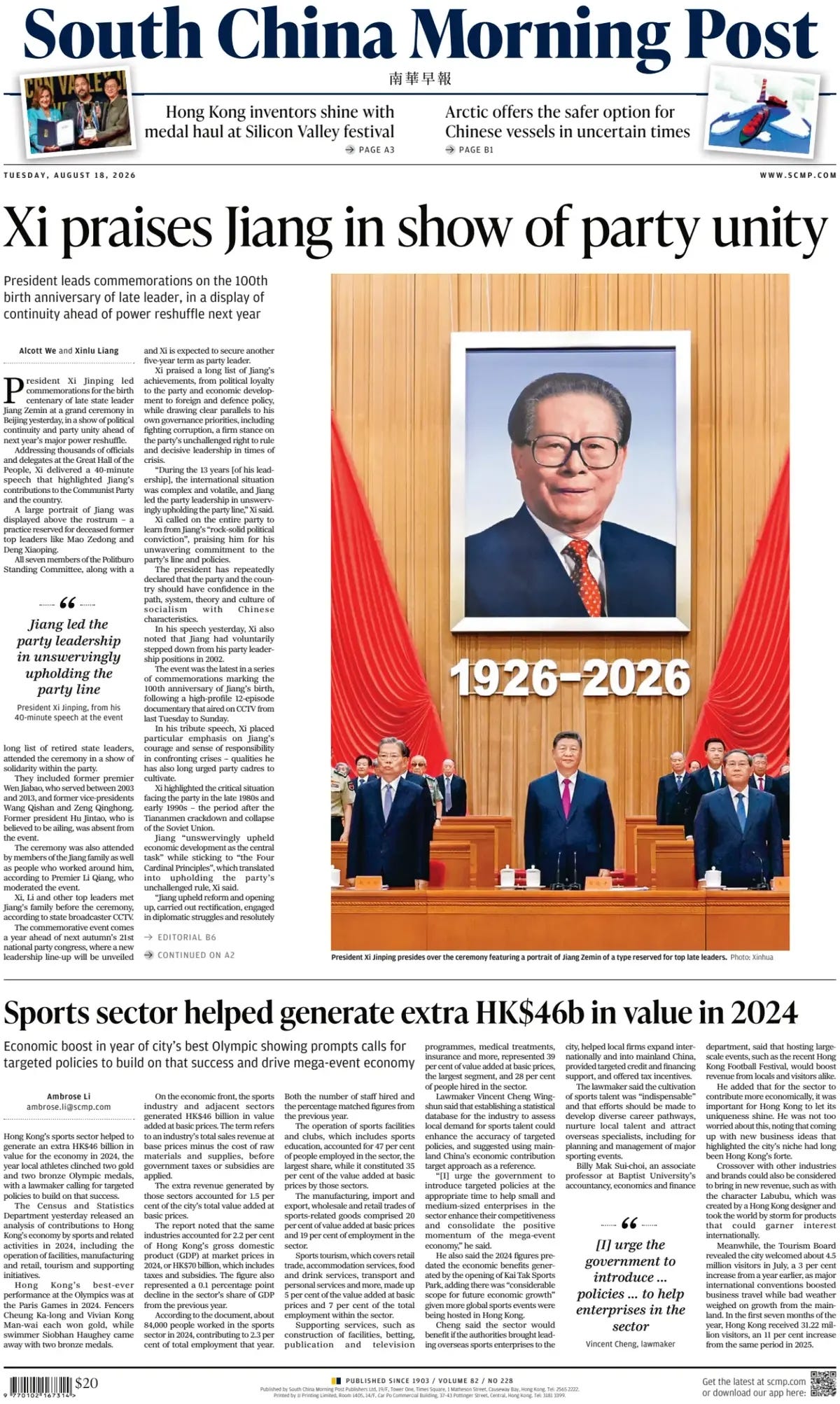
China faced deepening economic headwinds in July, state data showed, as consumer spending and investment slumped further. China’s consistently weak domestic demand has long been outmatched by the country’s vast manufacturing capacity, leading firms to expand aggressively in — and grow increasingly dependent on — overseas markets to drive growth. That gap could widen, as Beijing directs more investment into AI to keep pace with the US, “turbocharging an already production-heavy economic model,” Axios wrote. Greater shipments of semiconductors and other components have boosted export growth, but escalation in the Middle East and weaker domestic spending “mean that the balance of risks to the Chinese economy is shifting into a negative direction again,” an ABN Amro economist wrote in a client note - Semafor
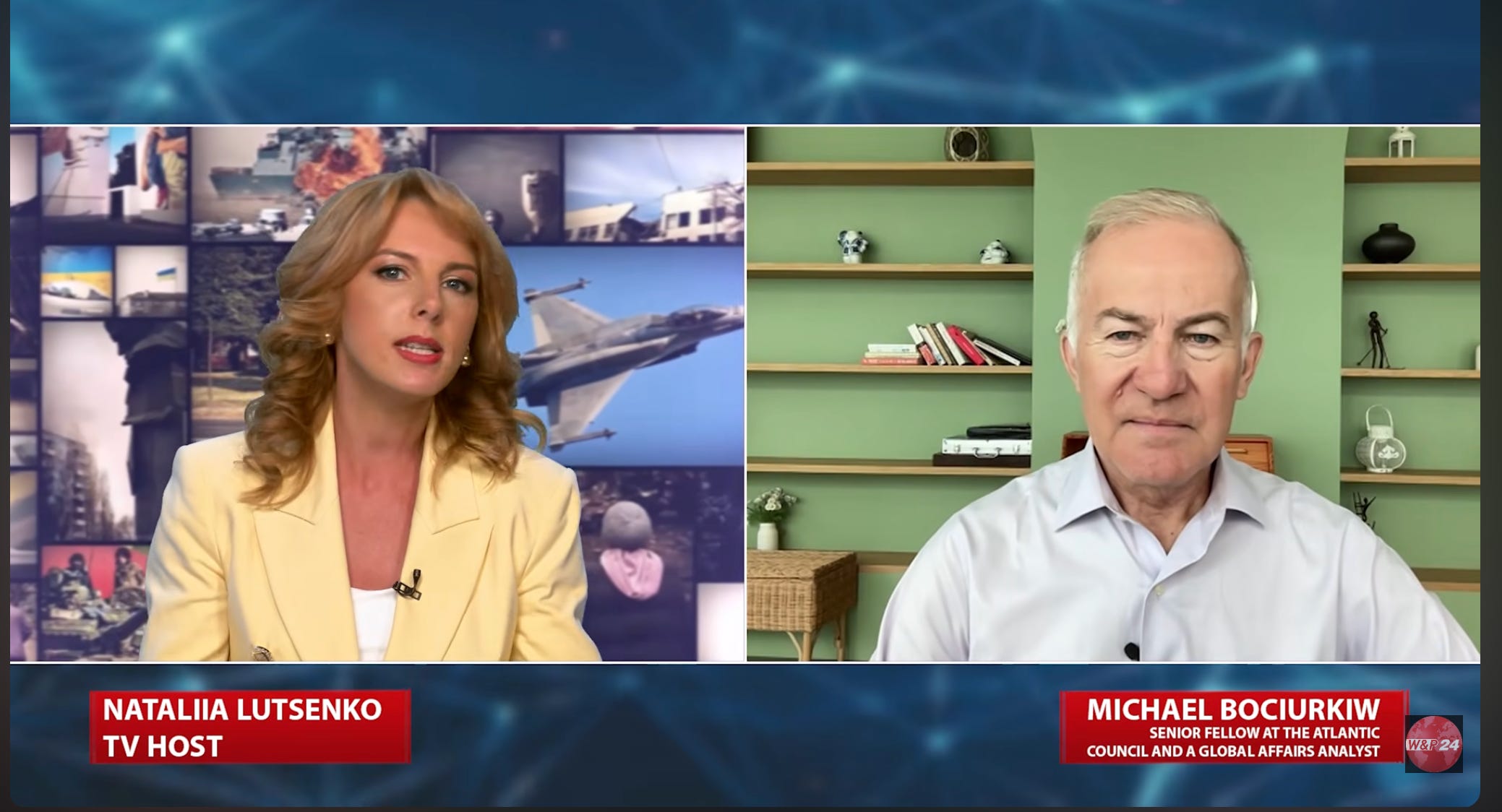
Ukraine had already fought its way back into the Black Sea, reopening its shipping corridor and restoring exports. Now, that lifeline is effectively blocked again by Russia. And this time, there is no easy ‘Plan B.’ Alternative routes can carry only about half of what Ukraine needs to export. Nataliia Lutsenko TV Host and Michael Bociurkiw, senior fellow at the Atlantic Council and a global affairs analyst, discussed the latest news surrounding the war in Ukraine. Ukraine managed to break Russia's blockade once. What would it actually take to reopen the Black Sea corridor now? How different is the situation right now? Watch the full interview here and don’t forget to subscribe.
Vladimir Klitschko has paid tribute to his former partner Hayden Panettiere following the actress’ sudden death at the age of 36, describing her as an “important part” of his life and promising to ensure their daughter remembers her mother with respect. The Ukrainian former heavyweight boxing champion shared a selfie of himself with Panettiere and their daughter, Kaya, alongside an emotional statement on Instagram. “Our family is going through a time of profound shock and grief,” Klitschko wrote. “The announcement of Hayden’s tragic death saddens me deeply. She left this world far too soon. Hayden was, although no longer my partner, an important part of my life and the mother of our daughter, Kaya.” He added, “She built an incredible career through immense talent, while also facing the darker sides of a very demanding industry. Nothing will erase the times we shared or the place she had in our lives.” The pair began dating in 2009 and became engaged in 2013. They welcomed their daughter in 2014 before separating in 2018. She appeared ringside at several of Klitschko’s fights. Following their separation, Panettiere gave full custody of Kaya to Klitschko as she struggled with addiction and her mental health. Earlier this year, Panettiere released her memoir “This Is Me: A Reckoning”, in which she opened up about her struggles with mental health, the death of her younger brother Jansen Panettiere who died in February 2023, and her decision to give full custody of Kaya. Panettiere, who was best known for playing cheerleader Claire Bennet in the hit superhero series Heroes and country singer Juliette Barnes in the musical drama Nashville, died on 16 August in South Carolina, just days before what would have been her 37th birthday. She was found unresponsive and in cardiac arrest, and emergency responders attempted to resuscitate her before she was pronounced dead. Authorities have said there were no signs of trauma or foul play, while her official cause and manner of death remain under investigation - Euronews
The journals…