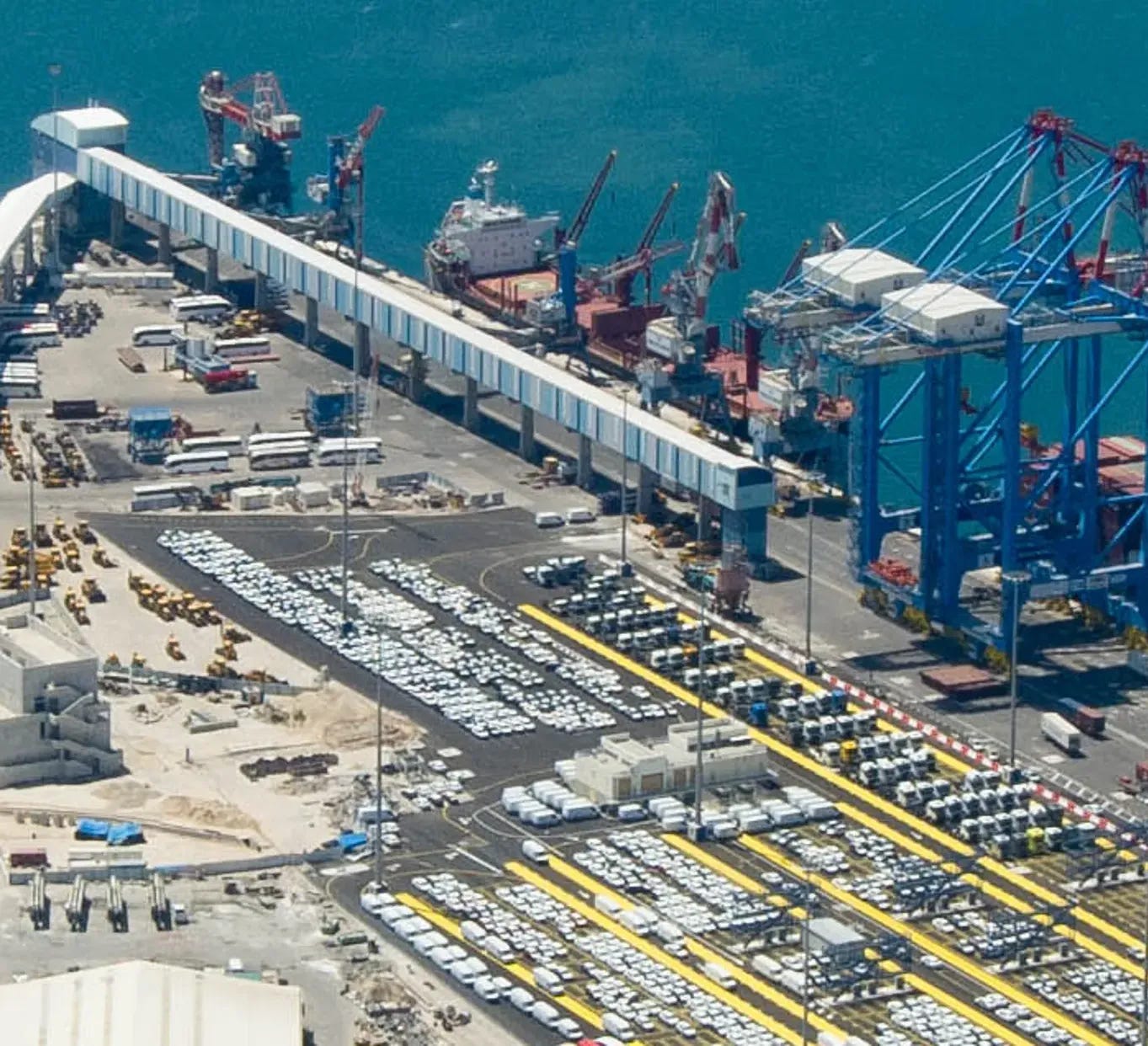
A major investigation by Haaretz alleges that grain stolen from Russian-occupied areas of Ukraine has been repeatedly shipped to Israel through a covert maritime smuggling network involving deceptive shipping practices in the Black Sea. According to the report, a Russian-flagged vessel, the Abinsk, docked recently at Port of Haifa carrying wheat worth millions of dollars. Ukraine said the cargo had been stolen from occupied territories and warned Israeli authorities in advance. Kyiv said it was “concerning that despite the information provided and contacts between the parties, the vessel was allowed to unload at the port of Haifa.” Haaretz said this was not an isolated case. It reported that by 2023, at least two ships carrying allegedly stolen grain had reached Israel, while seven additional vessels displayed suspicious behavior consistent with efforts to conceal the origin of their cargo. The newspaper also cited Russian port administration logs listing more than 30 shipments of stolen goods with Israel as the destination. The investigation says ships used tactics similar to Russia’s so-called shadow fleet oil trade, including disabling automatic tracking systems, conducting clandestine ship-to-ship transfers at sea south of the Kerch Strait, and reactivating transponders only after being loaded. Such methods can make tracing cargo origins far more difficult. Among vessels named were the St. Olga, which reportedly unloaded 27,000 tons of wheat in Port of Ashdod in July 2023, and the Sword Lion, which was allegedly bound for Haifa before later diverting to Turkey after media scrutiny. Ukraine, once known as the “breadbasket of Europe,” estimates at least 15 million tons of grain have been stolen since Russia’s full-scale invasion in 2022. Kyiv argues such sales help finance President Vladimir Putin’s war effort. The findings could place pressure on both Israel and Turkey. Israel maintains one of the region’s most advanced security and customs systems, while ships moving from the Black Sea to the Mediterranean pass through the Bosphorus Strait, an area closely monitored by Turkish authorities. Asked why Israel was allowing stolen Ukrainian wheat to be smuggled in and whether action would be taken, Israel’s Foreign Ministry told Haaretz: “We have forwarded answers on the subject to our Ukrainian friends through diplomatic and professional channels.”
Ukraine’s foreign minister said Kyiv had issued a summons for Israel’s ambassador to appear on Tuesday morning to present a protest note and request appropriate action, Euronews reported. Andrii Sybiha said “friendly Ukrainian-Israeli relations have the potential to benefit both countries,” and reiterated that “Russia’s illegal trade with stolen Ukrainian grain should not undermine them.” “It is difficult to understand Israel’s lack of appropriate response to Ukraine’s legitimate request regarding the previous vessel that delivered stolen goods to Haifa.” “Now that another such vessel has arrived in Haifa, we once again warn Israel against accepting the stolen grain and harming our relations,” Sybiha said. Israel’s foreign minister responded to Sybiha’s post on X on Monday evening, calling on Kyiv to refrain from conducting diplomatic relations on Twitter or in the media. "Frankly, this feels like a slap in the face given the strategic goodwill Ukraine has extended - from designating the IRGC as terrorists to criminalising antisemitism," a Ukrainian diplomatic source said.
**World Briefing reached out to the Israeli Embassy in Kyiv for a response to the Haaretz report but received no answer as of 11pm local time.
Israel: Opposition Unites Against Netanyahu
Sources: The New York Times; Dr. Leora Danzig Leeder, Jerusalem (Substack)
Former rivals Yair Lapid and Naftali Bennett announced Sunday they are merging their parties into a single opposition force called Yachad (“Together”), with Bennett as leader - the most significant challenge yet to Prime Minister Benjamin Netanyahu ahead of elections due by October.
Bennett, who called himself a “Liberal Zionist” at the press conference, laid out an ambitious agenda: immediate financial penalties for draft dodgers, an independent inquiry into the October 7 failures “on Day 1,” support for same-sex marriage and civil unions outside the Rabbinate’s authority, and public transportation on Shabbat. Dr. Danzig Leeder notes that the last two proposals put the new party on a direct collision course with the religious establishment.
Netanyahu wasted no time, posting AI-generated social media content linking the pair to their controversial former Arab coalition partner Mansour Abbas - the same playbook that worked for Likud in 2022.
Other opposition figures praised the move but haven’t yet climbed aboard. Likud remains the largest party in the polls. And some analysts think the announcement came six months too early.
The two men toppled Netanyahu once before, in 2021 - only to see their government collapse within a year. Whether the second attempt fares better, as Dr. Danzig Leeder puts it, “it’s going to be a wild ride.“
Private jets, hurried overseas transfers and quiet visa inquiries are rattling post-election Hungary after the crushing defeat of longtime Prime Minister Viktor Orbán, according to a report by The Guardian. The newspaper said figures tied to Orbán’s inner circle have begun moving wealth abroad in the days following the landslide victory of opposition leader Péter Magyar and his Tisza Party. Assets are reportedly being shifted to destinations including the United Arab Emirates, Saudi Arabia, Oman, Australia and Singapore. Magyar has accused allies of the outgoing government of trying to shield fortunes amassed during Orbán’s 16 years in power before a new administration takes office in early May. On social media, he alleged that “Orbán-linked oligarchs are transferring tens of billions of forints” overseas and urged authorities to prevent suspects from fleeing. Since returning to office in 2010, Orbán and his Fidesz party have faced repeated criticism over cronyism and the concentration of wealth among politically connected businessmen. Orbán has consistently denied corruption allegations. The report also said some senior figures close to Fidesz are exploring U.S. work visa options, hoping to leverage ties with institutions linked to Donald Trump’s MAGA movement. Orbán cultivated close ideological links with parts of the American right and was openly backed during the campaign by senior U.S. conservatives. Orbán said over the weekend he would not take a parliamentary seat but plans to remain leader of Fidesz and oversee its “renewal.” He is also expected to travel to the United States later this year, according to sources cited by The Guardian. Hungary now braces for what could be a turbulent political transition, with the incoming government promising corruption probes and potential efforts to recover public wealth allegedly siphoned off during the Orbán era.
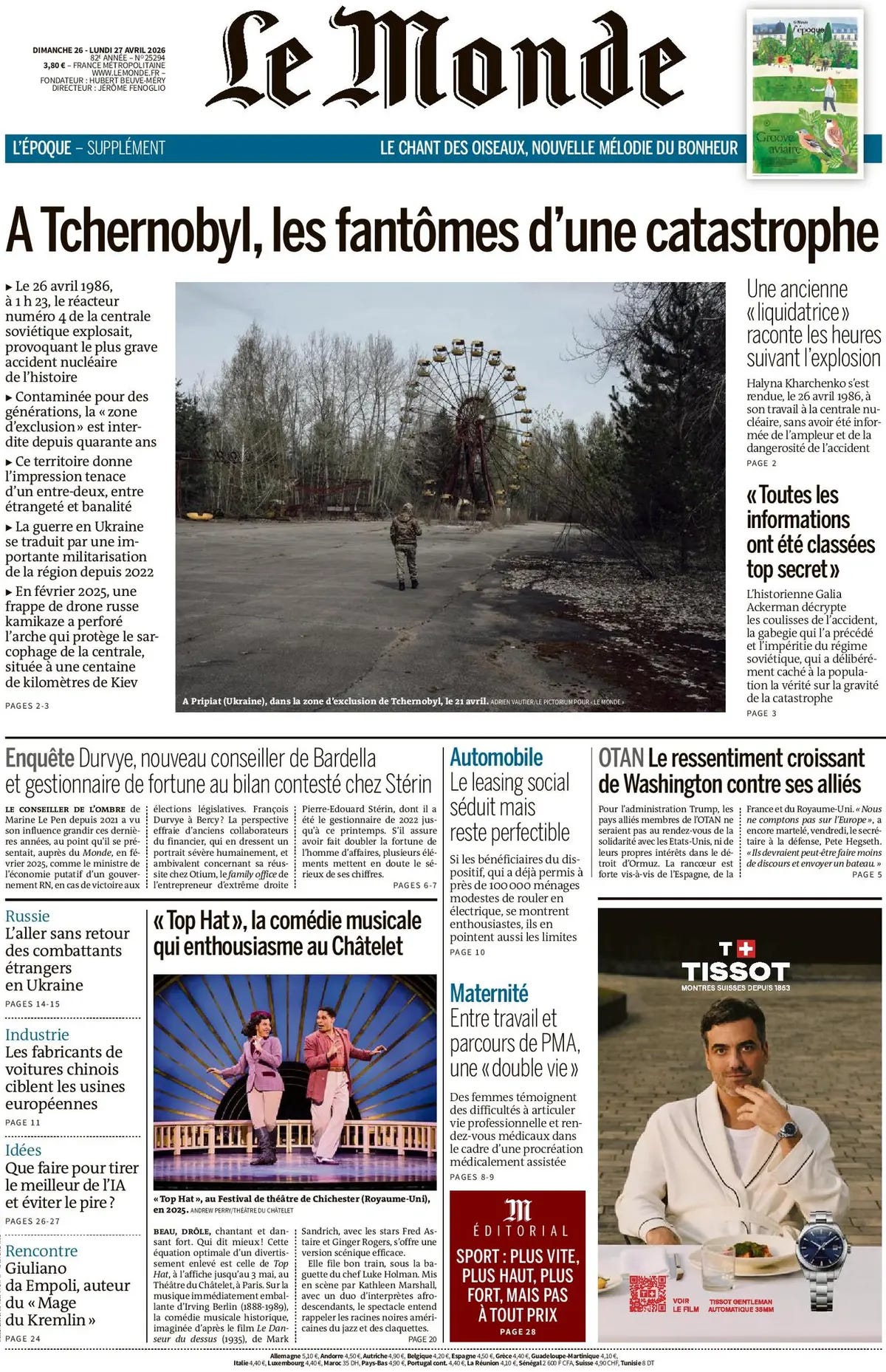
A coordinated wave of attacks by jihadist militants and separatists erupted across Mali this weekend, intensifying scrutiny of the country’s reliance on Russian support as security rapidly deteriorates. Mali has faced years of escalating insurgent violence; the ruling military junta, which pledged to restore stability in a 2020 coup, turned to Russia for assistance in its counterinsurgency campaign. But violence has not abated: Mali’s defense minister was reported killed on Sunday, and Russian mercenaries were forced to withdraw from key positions as fighters launched one of their biggest attacks since 2012. Russia has a “heavy military hand without a political strategy to address the root causes of violence” in Mali, the Carnegie Endowment wrote - Semafor
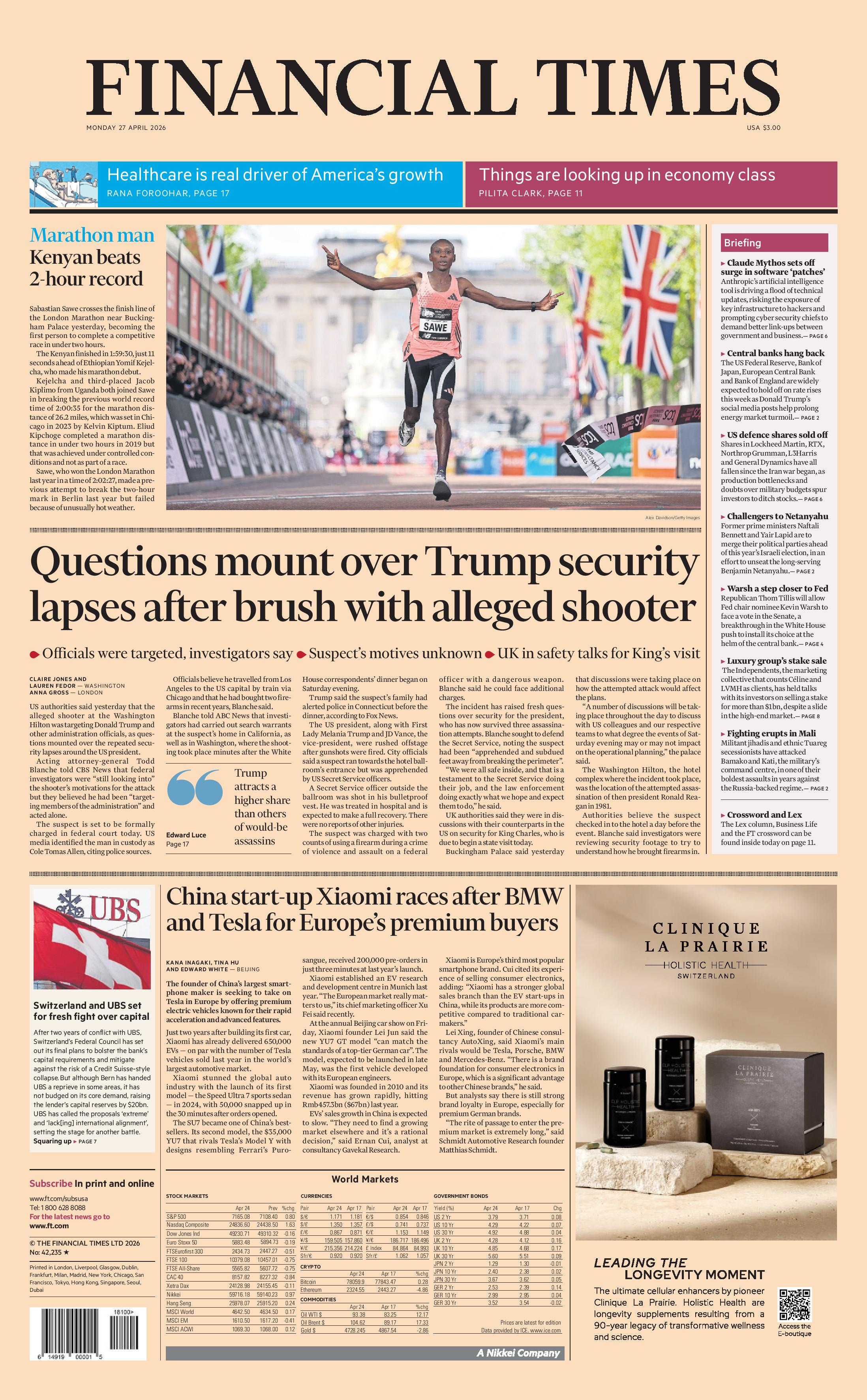
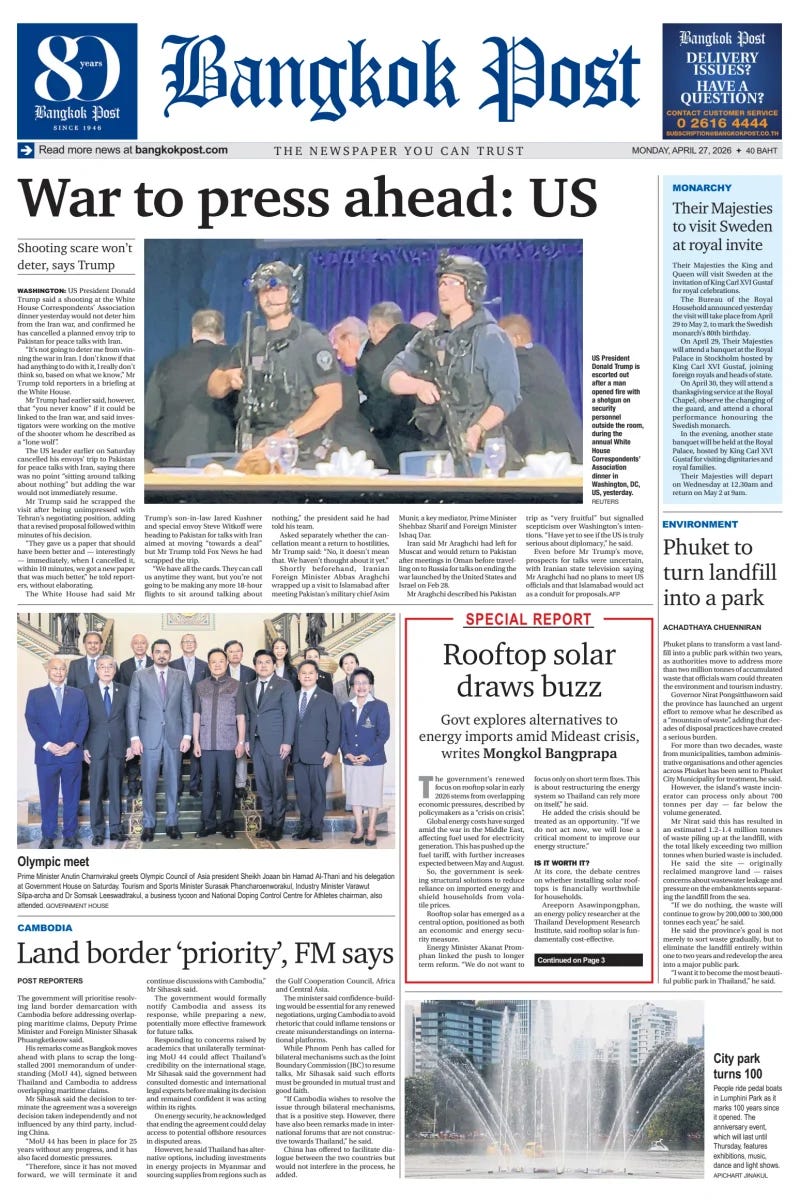
Russian President Vladimir Putin voiced strong support for Tehran in its conflict with the United States and Israel as he greeted Iranian Foreign Minister Abbas Araqchi for talks in St. Petersburg on Monday. Meeting nearly two months after US and Israeli air strikes on Iran started a war that sent shock waves around the world, both Putin and Araqchi underlined the strength of ties between their countries. “We see how bravely and heroically the Iranian people are fighting for their independence, for their sovereignty,” Putin said after meeting Iran’s top diplomat. He added that he had received a message last week from Mojtaba Khamenei, who has not been seen since being announced as Iran’s new supreme leader on March 8 following the killing of his father, Ayatollah Ali Khamenei, in an air strike on February 28. Putin said he was sending back “sincerest words of gratitude” and that Russia “intended to continue our strategic relationship.” Araqchi also pledged to continue the “strategic partnership” with Moscow. “They have always supported us,” he said. The mutual warm words will not go unnoticed in Washington, where US President Donald Trump is due to meet with top national-security officials later on April 27 to discuss the ongoing stalemate in discussions with Iran, according to US media reports. The rapid evolution of Russia-Iran ties, including reports that Russia has provided Iran with military intelligence during the current conflict, has also drawn attention in the US Congress - RFE/RL
German Chancellor Friedrich Merz on Monday criticized the U.S. for going into the Iran war without any strategy, saying this also makes it harder to end the conflict. “The problem with conflicts like these is always the same: it’s not just about getting in; you also have to get out. We saw that all too painfully in Afghanistan, for 20 years. We saw it in Iraq,” the chancellor said while speaking Monday to students in Marsberg in the Sauerland region of Germany. The lack of U.S. strategy and the fact that the Iranians are stronger than previously thought made it hard to end the conflict now, he said. “Especially since the Iranians are negotiating very skillfully — or rather, very skillfully not negotiating,” he added. “And then letting the Americans travel to Islamabad, only to send them back without any results. An entire nation is being humiliated by the Iranian leadership, especially by these so-called Revolutionary Guards.” Germany, he said, maintains its offer to send minesweepers in order to help reopen the Strait of Hormuz, but only after the fighting is over - AP
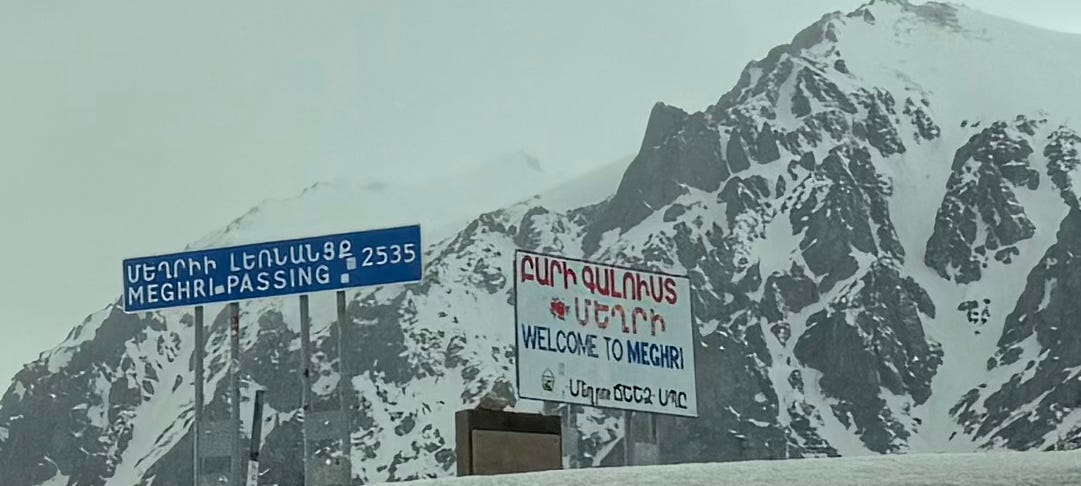
From Armenia’s border with Iran, I told CBS News what I saw firsthand: a tense frontier, one of Iran’s most accessible escape routes for asylum seekers, and the unmistakable shadow of Russia still present on the ground.
But the bigger story is Armenia’s fragility - a small state navigating the competing pressures of Iran, Azerbaijan, Turkey, Georgia and Russia. In this neighbourhood, survival often depends on the decisions of others.
▶️ Watch the clip below.
World Briefing — connecting the dots, so that you don’t have to.
Armenia’s push to become a key transit hub linking Asia and Europe is being hampered by an awkward reality: its rail network remains controlled by Russian Railways, the Russian state company operating under a 30-year concession signed in 2008. Prime Minister Nikol Pashinyan has openly complained that Russian control is costing Armenia strategic opportunities, arguing it discourages Turkey and Azerbaijan from using Armenian territory for future trade corridors, RFE/RL reported. He has floated the idea of transferring the concession to more neutral partners such as Kazakhstan, the United Arab Emirates or Qatar. The debate has gained urgency as new regional transport routes gather pace. Armenia has already agreed to a 43-kilometer route aimed at carrying Asian goods to Europe: TRIPP, or the Trump Route for International Peace and Prosperity, designed to move Central Asian goods westward via Azerbaijan, Armenia, Nakhchivan and Turkey. But key rail links still need upgrading - and many of the most viable existing routes remain under Russian management. Analysts say freeing Armenia’s railway system from Moscow could boost commerce and create new economic interdependence with Azerbaijan, potentially lowering future conflict risks. Yet the Kremlin has shown little appetite to surrender control, even as Russia’s influence in the South Caucasus weakens under the strain of its war in Ukraine. Meanwhile, Turkey and Azerbaijan are pressing ahead with their own $2.8 billion railway alternative, underlining the risk that Armenia could miss a historic transit opportunity while geopolitical wrangling continues. However, analysts told World Briefing during a recent visit to Yerevan that the TRIPP project is not viewed as a make-or-break opportunity for Armenia should it fail to proceed.
President Donald Trump lashed out at CBS News’ Norah O’Donnell in an interview Sunday for quoting from the manifesto of the suspected gunman who tried to storm the White House Correspondents Dinner less than 24 hours earlier. Trump had initially expressed a sense of camaraderie with members of the press corps who hosted him at their annual dinner and experienced the same initial panic when armed law enforcement agents stormed into the ballroom. But when O’Donnell, during an interview recorded at the White House on Sunday, quoted from the accused gunman Cole Allen’s apparent manifesto — “I am no longer willing to permit a pedophile, rapist, and traitor to coat my hands with his crimes,” she read — Trump, who’d been relatively subdued in his responses, flashed a familiar anger. “I was waiting for you to read that because I knew you would, because you’re horrible people. Horrible people,” Trump said. “Yeah, he did write that. I’m not a rapist. I didn’t rape anybody.” O’Donnell interjected, “Oh, do you think he was referring to you?” But the president blew past her question, declaring, “I’m not a pedophile.” Trump bristled at what he seemed to deem an insinuation about his relationship with Jeffrey Epstein, who was not mentioned by name in the manifesto or by O’Donnell. “You read that crap from some sick person,” the president said. “I got associated with stuff that has nothing to do with me. I was totally exonerated.” O’Donnell had just asked Trump if he thought the experience at the dinner would change his experience with the press. He answered obliquely, asserting that the press corps was largely left-leaning and opposed to his policies on immigration and crime. But his scathing response to her moments later offered a much clearer answer. “You should be ashamed of yourself for reading that, because I’m not any of those things,” Trump said. “You shouldn’t be reading that on ‘60 Minutes.’ You’re a disgrace.” - Politico
Fans dreaming of watching the 2026 FIFA World Cup 2026 live may need far deeper pockets than expected, with new analysis suggesting supporters could spend tens of thousands of euros following their national teams through the tournament. According to research by LiveFootballTickets, average ticket prices for the final at MetLife Stadium have surged to nearly €29,800, while premium seats are listed as high as €109,800. By comparison, group-stage tickets are averaging between €1,500 and €2,400, highlighting the dramatic jump in prices as the tournament progresses. The report estimates that fans following a team all the way to the final could face average costs of between €49,000 and €60,500, depending on the nation. Those opting for premium seats at every match could pay as much as €186,000 overall. Among the most expensive teams to support are Mexico, United States and Brazil. Mexican supporters would pay an estimated €59,750 on average if El Tri reaches the final, with premium packages rising to almost €193,424. Mexico’s opening match in Mexico City is also among the priciest early fixtures, averaging €6,388 per ticket. The findings are likely to intensify debate over affordability and access, as football’s biggest tournament increasingly becomes a luxury experience for many ordinary supporters.
A woman was caught on camera blissfully snatching bottles of wine during the chaotic aftermath of the shooting at the White House Correspondents’ Dinner. While throngs of reporters and other guests fled the Washington Hilton ballroom, an unknown blonde woman wearing posh black fur went straight for a table to stockpile booze. Because the shooting took place early on during the salad portion of the marquee dinner, there was an abundance of wine left abandoned at tables across the ballroom. The woman’s identity is not immediately clear, and it’s not apparent whether she was a journalist or some other guest. Footage of the wine grab quickly went viral. But netizens were torn whether snatching the wine was in poor taste given what could’ve been a tragic evening if the shooter wasn’t stopped, or a fiscally prudent move given the high price tag of the swanky dinner. “So, there you have press members STEALING wine bottles: this is who the press is! Repugnant!” one user wrote, showing a video of the wine-loving attendee. “How shameless, after the shooting incident, journalists are stealing liquor bottles in the same hall where President Donald Trump was also present,” a different user fumed. “Bro they paid $350+ a plate and the night got canceled early, free wine tax refund is fair game,” a user named Bullz wrote. Other attendees were similarly caught exiting the ballroom with bottles of wine after chaos engulfed the marquee DC dinner. CAA agent Michael Glantz also went viral for being seen on camera casually eating his salad while other attendees were hiding under the tables due to the shooting. Saturday night’s annual White House Correspondents’ Dinner was interrupted by a deranged gunman who attempted to rush past security and opened fire before being pinned down by security - New York Post
The journals….