

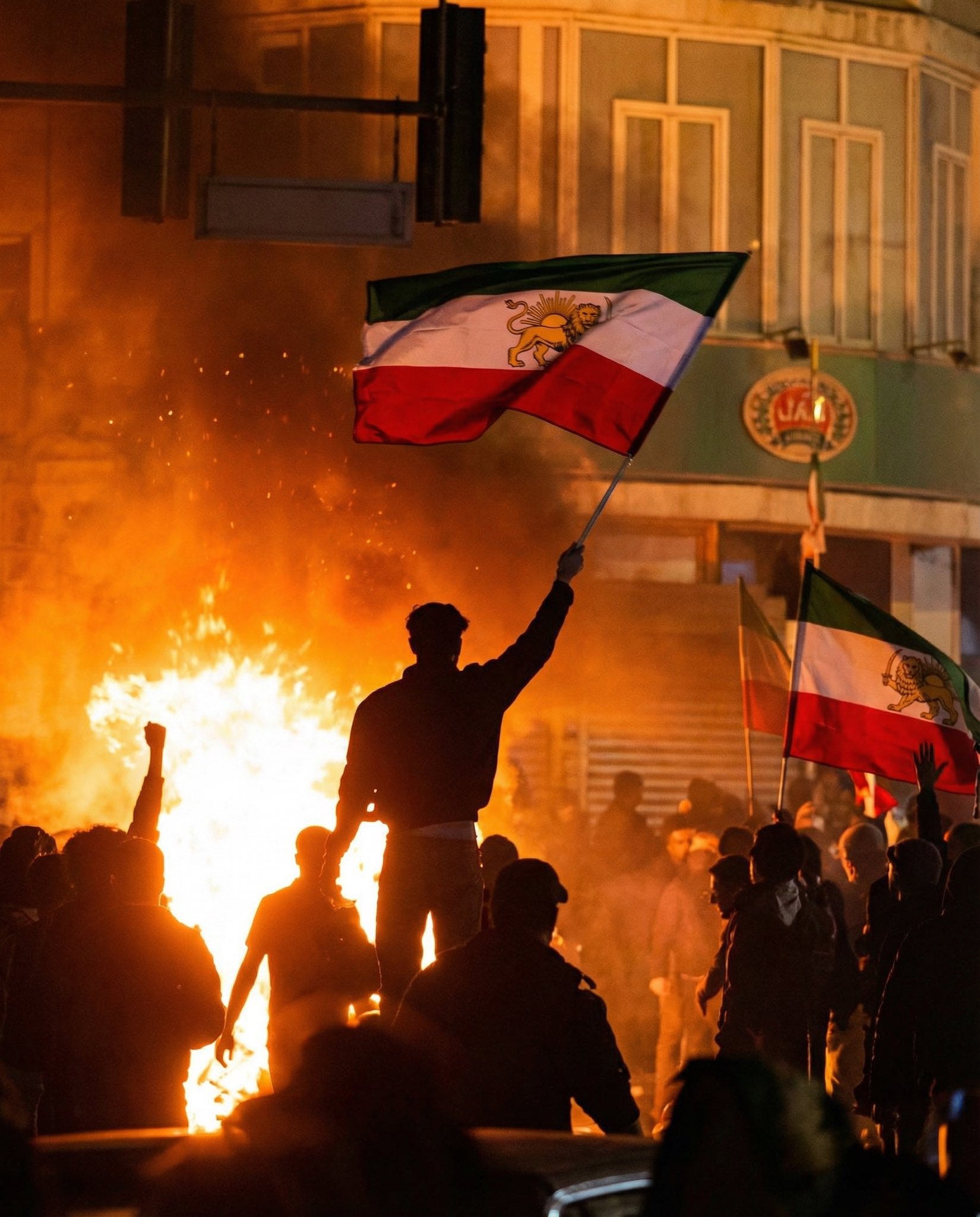
Iran has warned it will retaliate if it is attacked by the US, as protesters defied a government crackdown on Saturday night despite medics at two hospitals telling the BBC more than 100 bodies had been brought in over a two day period. Videos verified by the BBC and eyewitness accounts appeared to show the government was ramping up its response to the protests, which have spread to more than 100 cities and towns across every province in Iran. US President Donald Trump has threatened to hit Iran “very hard” if they “start killing people”. Iran’s parliament speaker warned on Saturday that if the US attacks, Israel and all US military and shipping bases in the region would be legitimate targets. The protests were sparked by soaring inflation, and protesters are now calling for an end to the clerical rule of Iran’s Supreme Leader Ayatollah Ali Khamenei. Iran’s attorney general said anyone protesting would be considered an “enemy of God” - an offence that carries the death penalty - while Khamenei has dismissed demonstrators as a “bunch of vandals” seeking to “please” Trump. As protests intensify, the number of deaths and injuries continues to rise. Two human rights groups have reported more than 100 people, including security personnel, killed. Staff at several hospitals told the BBC they have been overwhelmed with the injured and dead, with BBC Persian verifying 70 bodies brought to one hospital in Rasht city on Friday night and a health worker reporting around 38 people dying at a Tehran hospital. Iran’s police chief said on state TV that the level of confrontation with protesters had been stepped up, with arrests on Saturday night of what he called “key figures”. He blamed a “significant proportion of fatalities” on “trained and directed individuals”, not security forces, but did not give specific details. More than 2,500 people have been arrested since protests began on 28 December, according to a human rights group - BBC
According to its latest figures - from activists inside and outside Iran - US-based rights group HRANA said it had verified the deaths of 490 protesters and 48 security personnel, with more than 10,600 people arrested in two weeks of unrest, Reuters reported. Cyber watchdog NetBlocks says Iran’s Internet blackout has now passed the 60-hour mark.
Iran’s state media say dozens of members of the security forces have been killed during protests against an economic crisis, as the parliament speaker warns the United States and Israel of retaliatory strikes if Washington attacks the country.
State television said on Sunday that 30 members of the police and security forces were killed in Isfahan province and six others in Kermanshah in western Iran in the latest riots. The semiofficial Tasnim news agency reported that 109 security personnel had been killed in the protests across the country. The Iranian Red Crescent Society, meanwhile, said a staff member died during an attack on one of its relief buildings in Gorgan, the capital of Golestan province - Al Jazeera
Israel killed more journalists in 2025 than any other country, according to a report by Reporters Without Borders (RSF). Israeli forces carrying out the genocidal war in Gaza were responsible for the deaths of 29 Palestinian reporters, RSF said in its annual report published on Tuesday. It was the third year running that Israel was named the top killer of journalists by the NGO. Overall, 67 journalists were killed around the world this year, one more than in 2024. “This is where the hatred of journalists leads!” said Thibaut Bruttin, RSF’s director general, in a statement. “It led to the death of 67 journalists this year – not by accident, and they weren’t collateral victims. They were killed, targeted for their work.” Bruttin blamed the “failure” of international organisations to protect journalists in armed conflicts for the rise, a consequence, he said, of a global decline in the “courage of governments”. “Journalists do not just die – they are killed,” he said. Mexico was the second most dangerous country in the world for journalists, with nine killed in the past year. War-ravaged Ukraine, where three journalists were killed in 2025, and Sudan, where four journalists were killed this year, are other highly dangerous countries for reporters, according to RSF. RSF also records the number of journalists jailed for their work. China is the leading offender with 121 reporters behind bars. Russia (48) and Myanmar (47) are the next most repressive countries. As of December 1, 2025, 503 journalists were being detained in 47 countries - Al Jazeera
Poland’s nationalist President Karol Nawrocki has sided with his ally U.S. President Donald Trump to veto legislation on enforcing the EU’s social media law, which is hated by the American administration. Trump and his top MAGA officials condemn the EU’s Digital Services Act — which seeks to force big platforms like Elon Musk’s X, Facebook, Instagram to moderate content — as a form of “Orwellian“ censorship against conservatives and right-wingers. The presidential veto stops national regulators in Warsaw from implementing the DSA and sets Nawrocki up for a a clash with centrist pro-EU Prime Minister Donald Tusk. Tusk’s parliamentary majority passed the legislation introducing the DSA in Poland. Nawrocki argued that while the bill’s stated aim of protecting citizens — particularly minors — was legitimate, the Polish bill would grant excessive power to government officials over online content, resulting in “administrative censorship.” Deputy Prime Minister and Digital Affairs Minister Krzysztof Gawkowski dismissed Nawrocki’s position, accusing the president of undermining online safety and siding with digital platforms - Politico
Separately, Donald Trump warned Cuba to strike a deal with him “before its too late” in a blithering Truth Social post Sunday morning. The president has escalated his threats against several Latin American countries, including Cuba, and its leader, Miguel Diaz-Canel, following the US intervention in Venezuela, The Daily Beast reported.
Russia fired more than 150 drones overnight into Sunday targeting close to two dozen locations across Ukraine, killing at least four people and injuring 20 more. Ukraine’s Air Forces say they intercepted 125 drones aerially but confirmed that at least 25 strike drones struck their targets, Euronews reported. They added that Moscow’s latest barrage mainly targeted Kharkiv, Kherson, Zaporizhzhia and Dnipropetrovsk, all of which were targeted in Saturday’s overnight strikes as well. Local officials in the southern region of Zaporizhzhia say the strikes targeted residential areas and energy infrastructure. More than 385,000 homes were affected by electric, gas or water outages, at a critical time as temperatures plunged to 10 degrees below Celsius.
In the aftermath of a massive Russian strike on Kyiv, more than 1,000 buildings remain without heating, Mayor Vitaliy Klitschko said Sunday. There are also widespread power outages as overnight temperatures dip to as low as -16C. To help alleviate the suffering, state-owned railway operator, Ukrazaliznytsia opened “resilience carriages” in the Ukrainian capital’s powerless regions. Inside, they offer a place to warm up, charge gadgets, use Starlink internet connections. Plus tea, coloring books & cartoons for kids, food and water for pets. In Odesa, which has been hit far less, taps went dry Sunday morning as the cold snap tightened its grip on the southern city.
Ukraine’s military said on Sunday it had struck three drilling platforms in the Caspian Sea belonging to Russia’s Lukoil oil firm. The military said it hit V. Filanovsky, Yuri Korchagin and Valery Grayfer platforms. “These facilities are used to support the Russian occupation army. Direct hits have been recorded. The extent of the damage is being assessed,” it noted - A

New US rules that require Africans to post deposits of up to $15,000 are likely to deepen a trend of declining visa approvals for the continent’s travelers. The policy was floated last year, initially targeting Malawi and Zambia. But it has expanded to impact 24 African countries, including Angola, Nigeria, and Senegal, and goes into effect this month. The Trump administration cited high overstay rates for introducing the policy, which comes amid a broader anti-immigration push. The size of the bonds, ranging from $5,000 to $15,000, will be determined for each traveler during their visa interview process — without a guarantee of issuance. The money will only be returned after the traveler exits the US before the expiry of their visa. Nigerian businesses in particular have strong ties in America, with many of the country’s venture capital-backed startups incorporated in US states, especially Delaware - Semafor
The journals…..
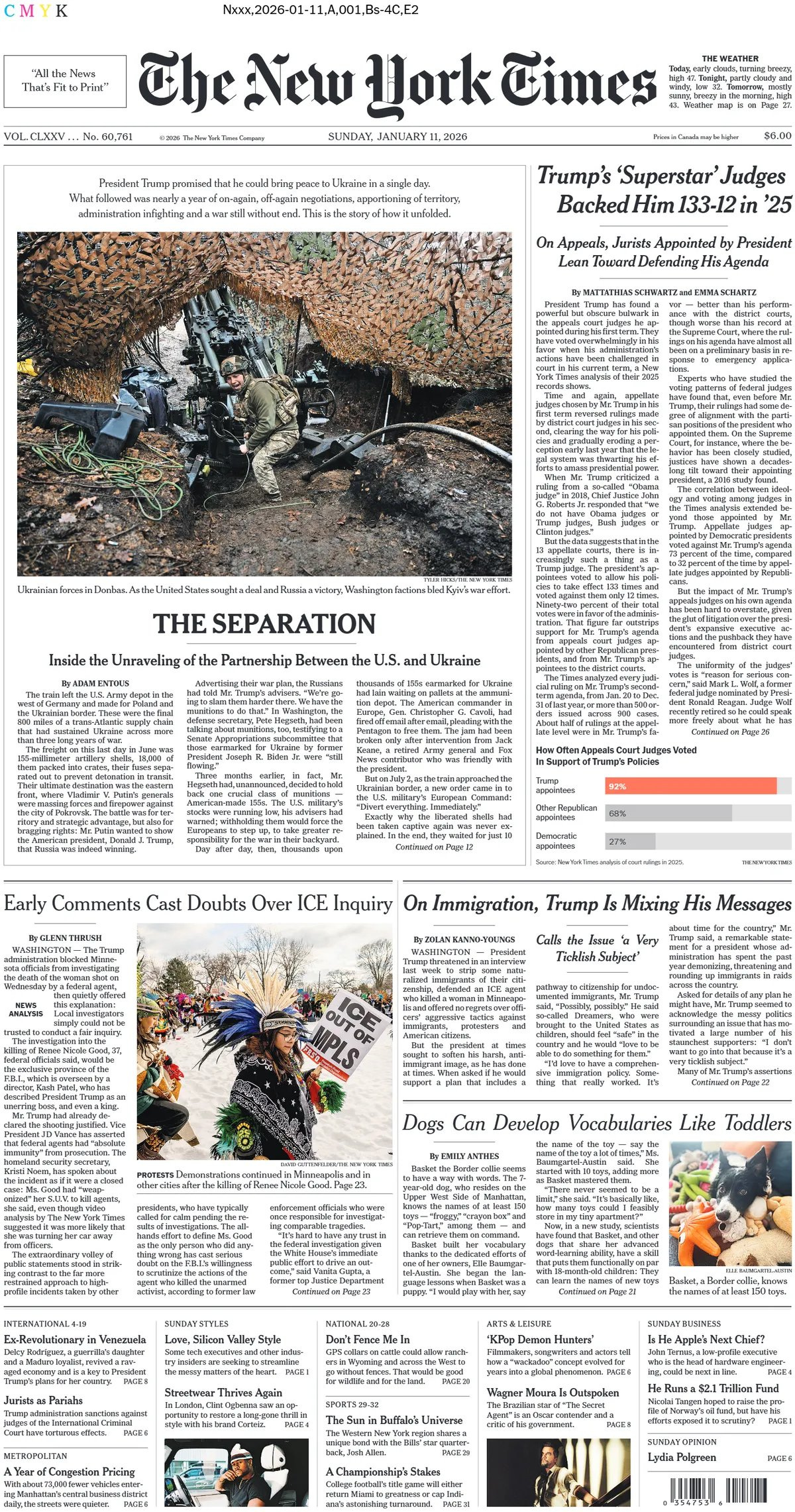

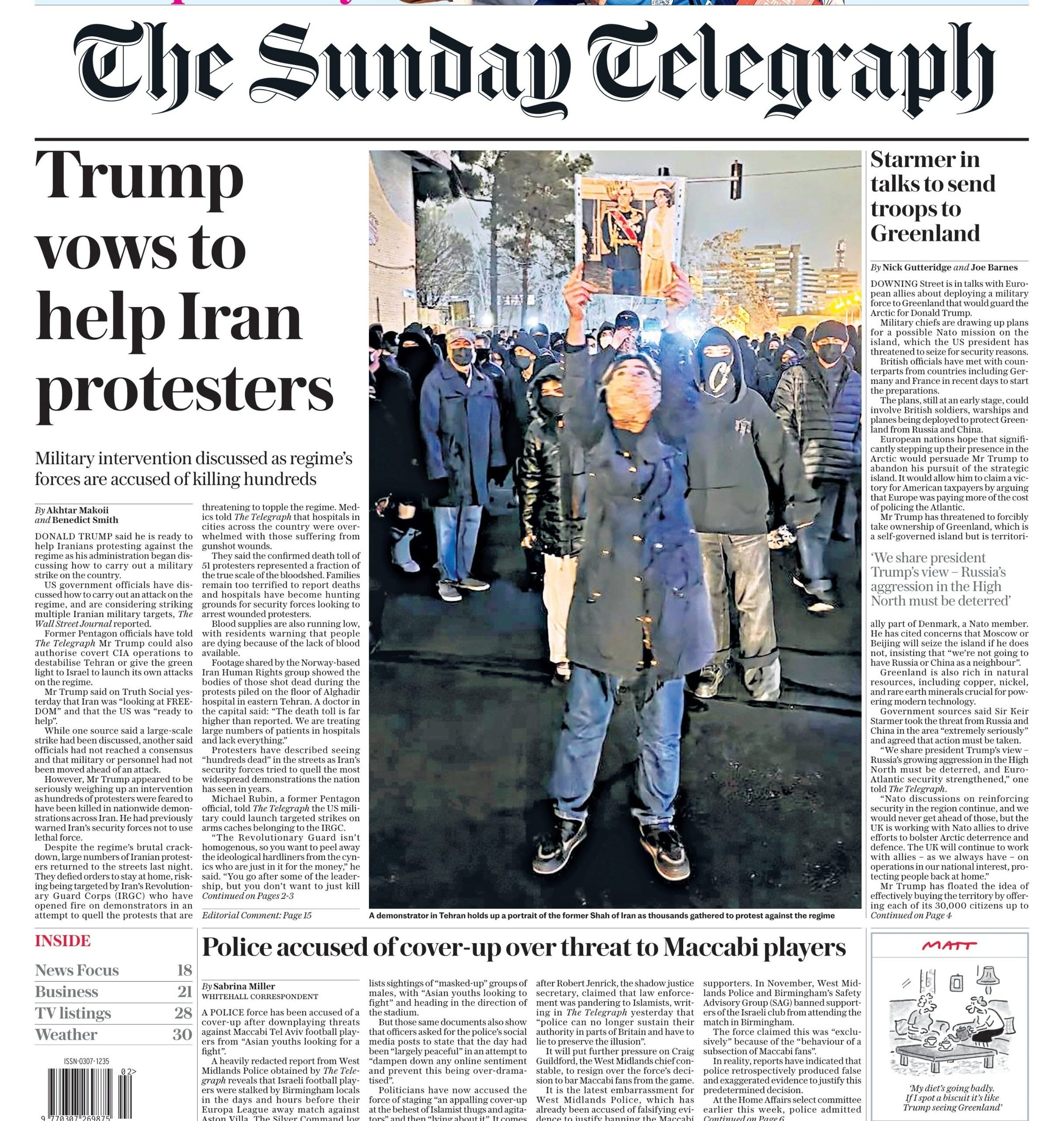
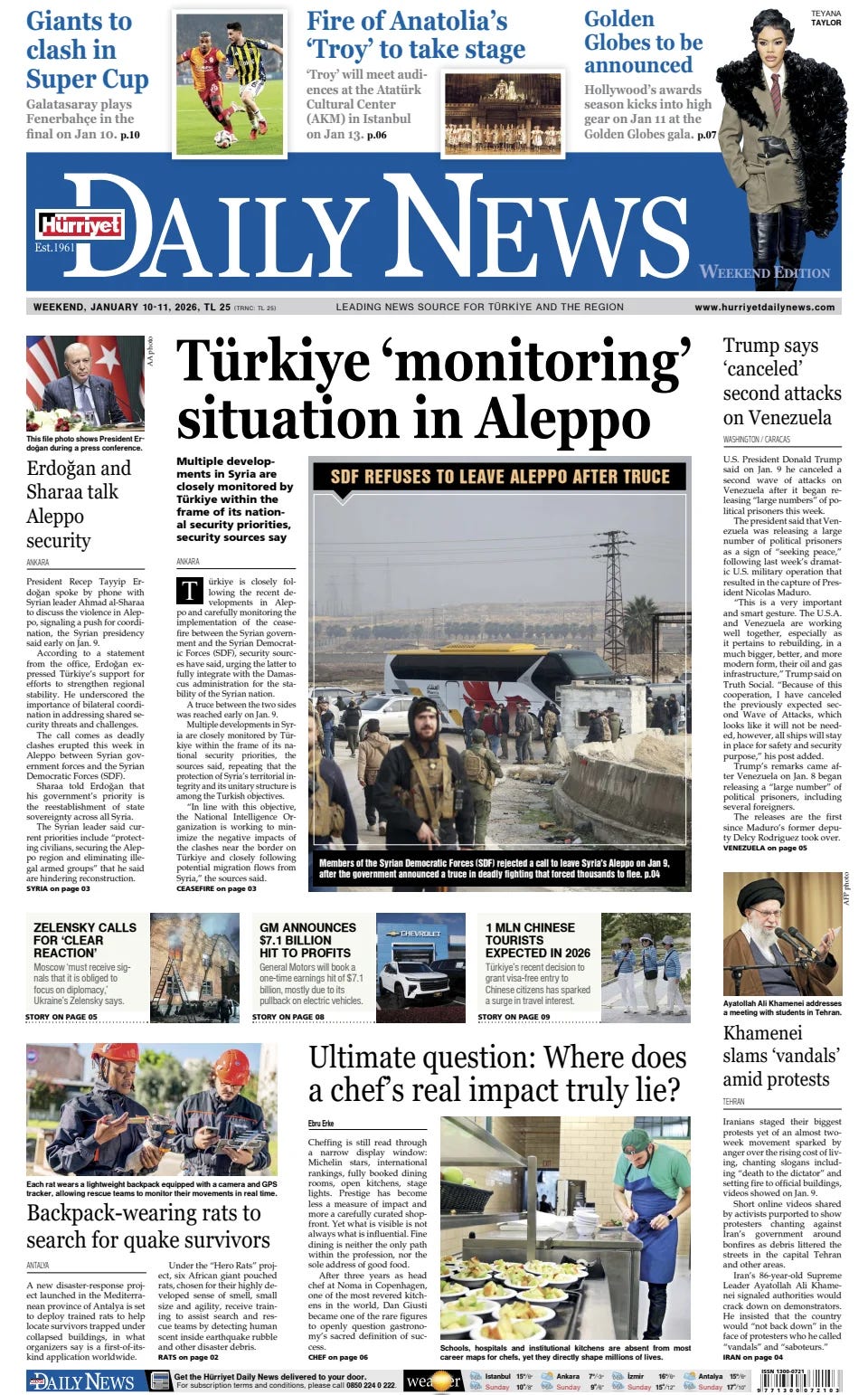
I'm looking forward to next week's reports from your travels. Take care, you're too important to freedom to take unneccesary risks.