

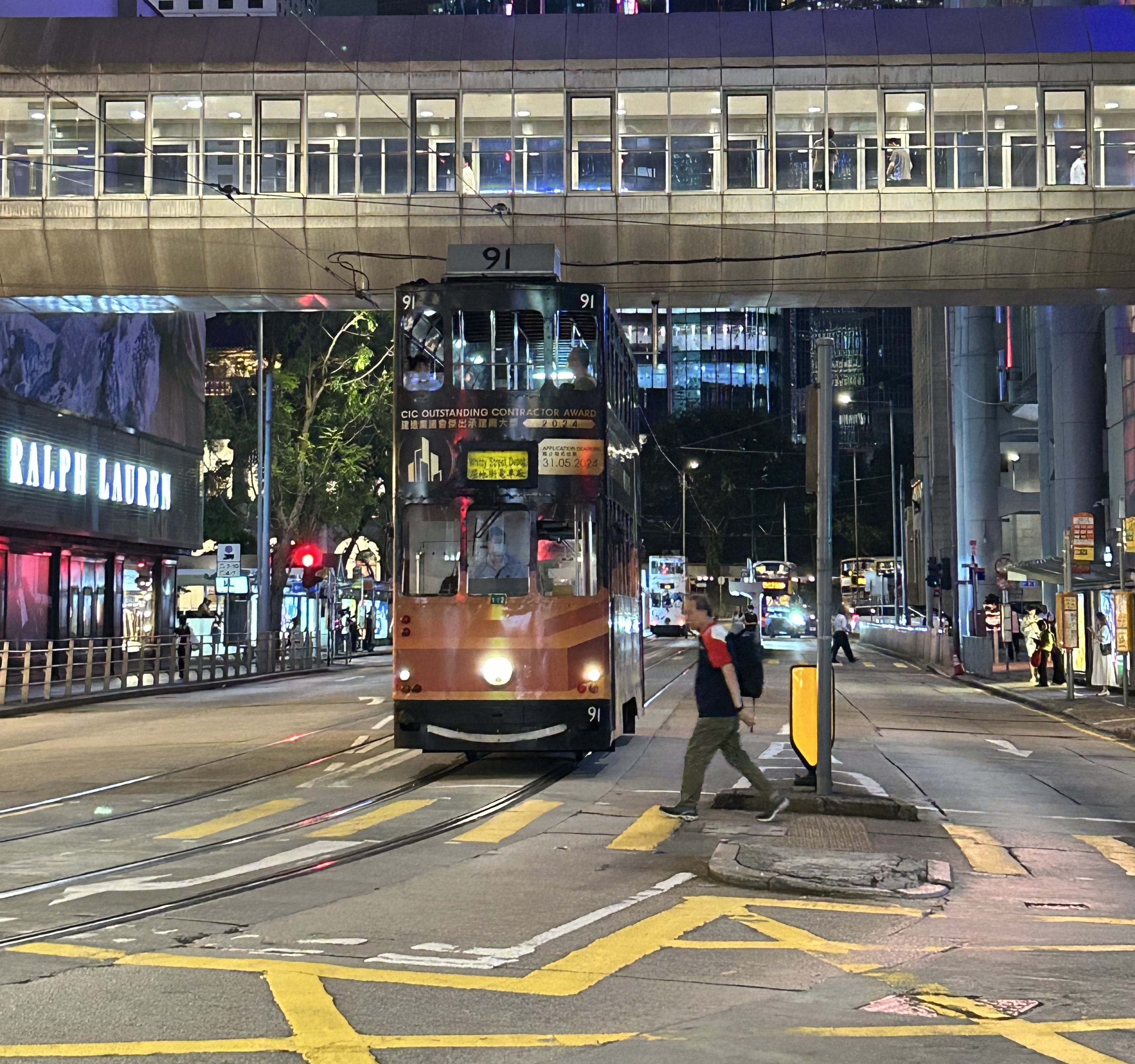
A note before we begin: today's edition trials a new format - one place, examined in depth, rather than our usual sweep of the globe. This week: Hong Kong, a city I first knew as a working journalist in the 1990s. Tell me what you think - your replies genuinely shape where World Briefing goes next…
Whenever I land at Hong Kong International Airport - we old hands still call it CLK - I’m reminded of two Hong Kongs. The one I worked in as a journalist in the 1990s, where we reported fearlessly and relentlessly, where officials were never untouchable, where the plight of Vietnamese refugees in the territory was covered without fear or favour. And the one I walked through as recently as January: smoother, faster, friendlier to the visitor - and quieter, in ways an old hand can’t help but notice.
Let me start with the pluses, because they’re real. Hong Kong has become a far more user-friendly city. New flyovers and freeways, seamless links to Macau and the mainland, a journey from airport to city that is astonishingly efficient and highly digitized. Crossing into mainland China is now almost frictionless. And it has become more of a people’s city too - harbourfront walkways, cycling paths, places to jog and linger that simply didn’t exist in my newsroom days. On the surface, this is a city that works better than it ever has.
But the surface is doing a lot of work.
Nearly 29 years after the handover, Chief Executive John Lee Ka-chiu used the July 1 anniversary to announce that Hong Kong’s first-ever five-year plan will top his agenda - a “guiding document” designed to integrate with the nation’s overall development. It’s a striking evolution for a city that built its global brand on laissez-faire capitalism: the planning instrument most associated with the mainland state, now adopted at home. In Beijing, Xi Jinping marked the Communist Party’s 105th anniversary by calling Hong Kong’s prosperity an “intrinsic requirement” of national rejuvenation. Read together, the two statements describe the same trajectory: Hong Kong’s development is now framed, from both ends, as a chapter in the national story.
Security is a prerequisite for development, and development provides a guarantee for security - Hong Kong Chief Executive John Lee Ka-chiu
And yet ambition and execution are two different things. Central to Lee’s agenda is turning Hong Kong into a serious hub for artificial intelligence - which made for awkward timing when, days before the anniversary, the Correctional Services Department released an AI-generated anti-drug video featuring a K-pop girl group that appeared to personify cocaine, crystal meth, cannabis and etomidate as its members. Social media users pointed out it made the drugs look appealing; the department pulled it twice; the memes went global. As political consultant Alice Wu wrote in the South China Morning Post, if the authorities can’t deploy the technology appropriately for one video, it raises fair questions about how they’ll handle AI’s harder problems. It’s a small story - but hub status is won on competence, and the world was watching for the wrong reasons.
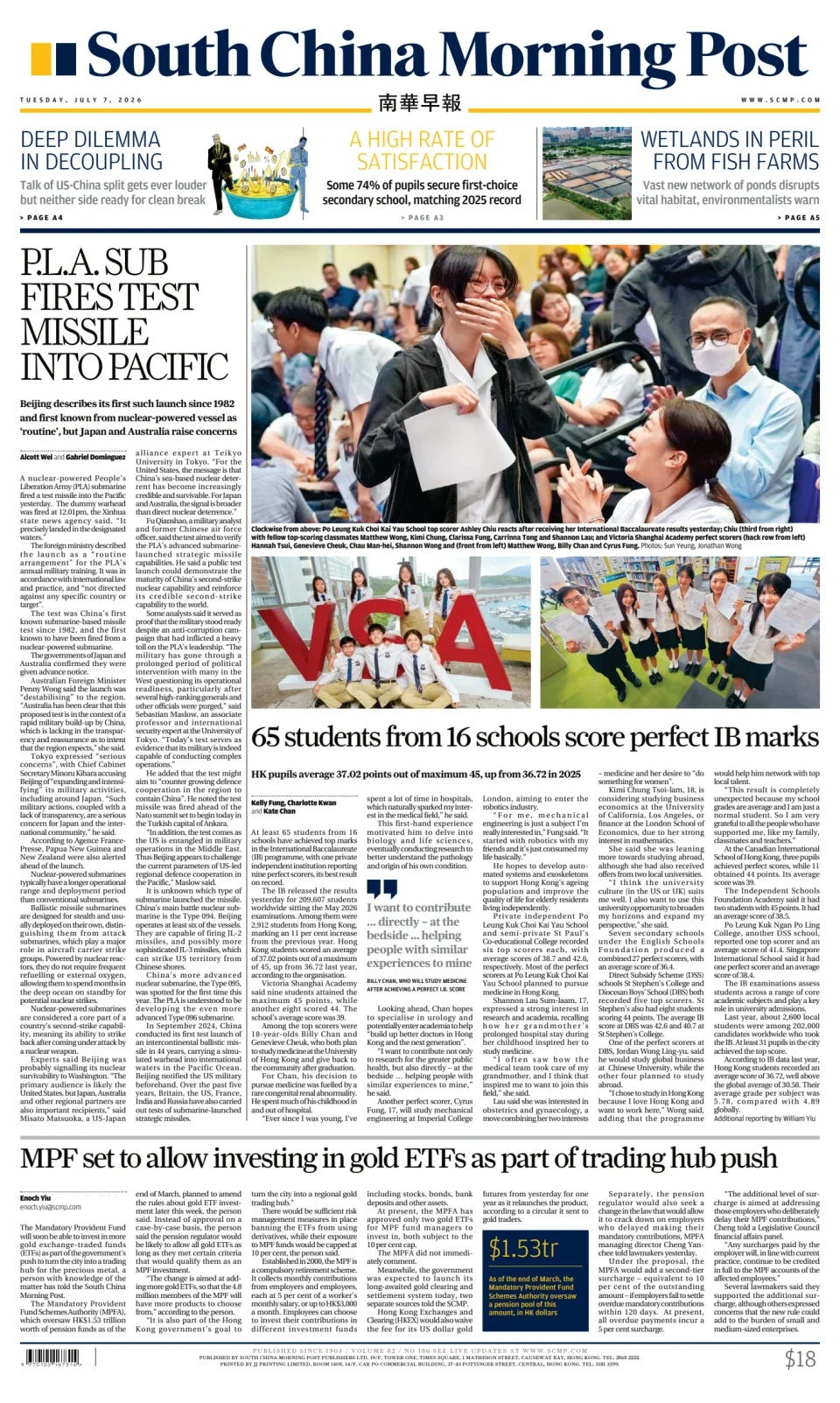
Underneath the efficiency, the media environment has changed profoundly - press freedom watchdogs including Reporters Without Borders and the Committee to Protect Journalists have documented a steep decline since 2020, a shift Nikkei Asia revisits in its handover retrospective this week. Journalists and protest figures from 2019 have faced prosecution and lengthy sentences, and several foreign correspondents have had visas denied or not renewed - including Financial Times' Asia news editor Victor Mallet in 2018.
Here’s the point I made on a panel at the Foreign Correspondents’ Club of Hong Kong last year: in Singapore, at least the red lines are solid. You know where they are, and you know not to cross them. In Hong Kong, the lines are uncertain or dotted - what’s allowed, what’s tolerated, what will land you in court can shift without warning. For local and foreign journalists alike, that ambiguity is corrosive in a way that even hard censorship isn’t. It breeds self-censorship, the most efficient kind. I worry Hong Kong will become steadily less attractive as a media hub - and Singapore and other jurisdictions have only to gain.
Then there’s the protest generation itself. As Nikkei Asia reports, some former protesters are being encouraged to take part in “rehabilitation” - part of a broader government effort to move past 2019 and maintain stability. This builds on the Correctional Services Department’s “Project PATH,” the de-radicalisation scheme launched in 2021 for young offenders jailed over the unrest. The government describes it as helping young people reintegrate; critics and human rights groups argue it treats political conviction as a condition to be corrected. Both descriptions can’t be fully true at once, and which one you accept largely depends on how you understood 2019 in the first place. What’s observable either way: the organized opposition that once filled the legislature and the streets no longer has a footing in either.


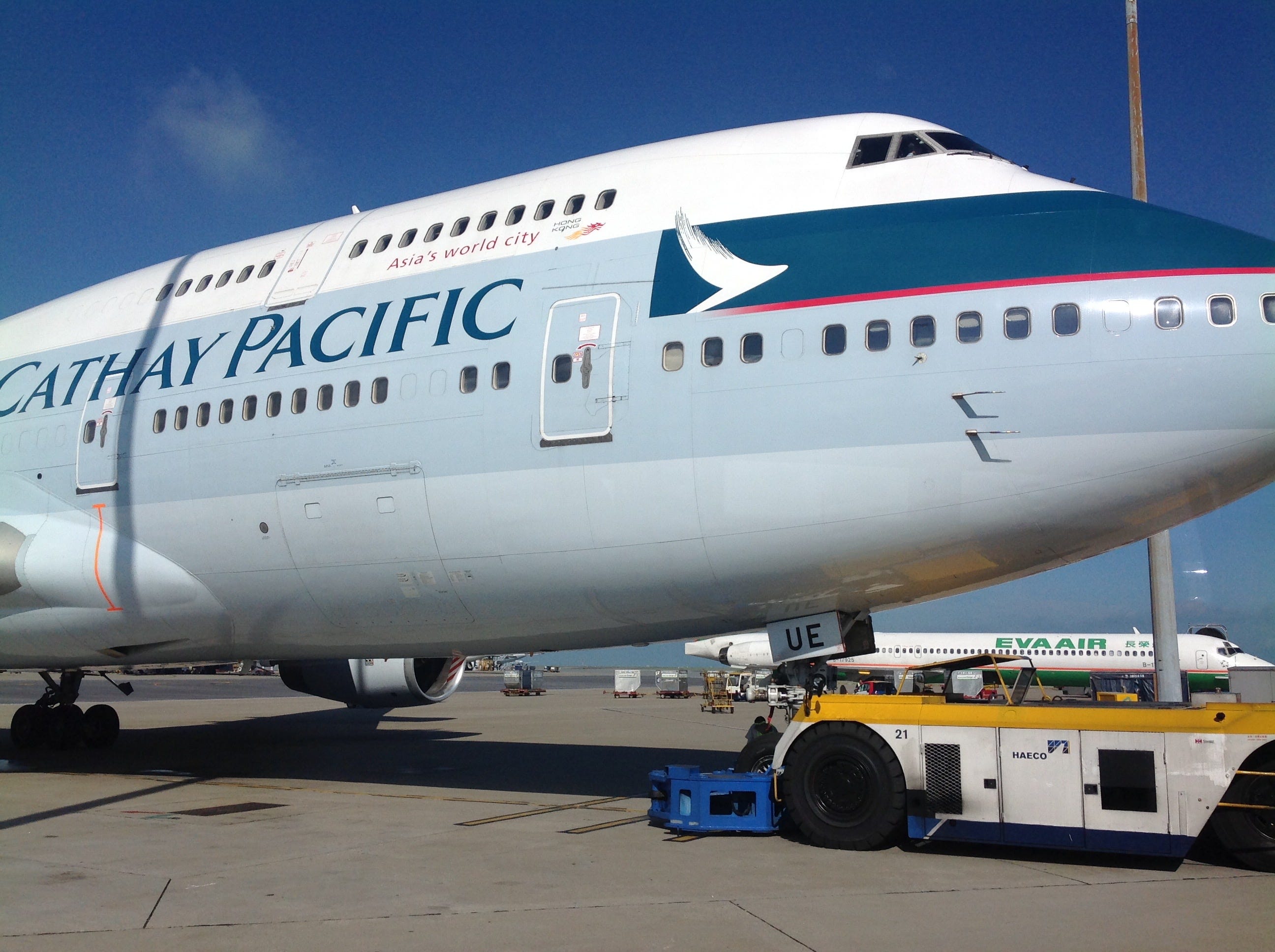
I keep a photo from 2013: a Cathay Pacific 747 on the tarmac at CLK, "Asia's world city" painted proudly on the fuselage. Both are gone now - the jumbo retired from passenger service, and the slogan itself quietly faded from official use. Cathay was once the undisputed pride of these skies, named world's best airline four times, the last in 2014. Then came the brutal stretch: the 2019 political storm, a staff exodus, quarantine rules that nearly grounded the hub entirely. What's remarkable is the comeback - Cathay is back among the top three in the latest Skytrax awards and placed second in this year's AirlineRatings list, ahead of Singapore Airlines. (Seasoned aviation watchers will rightly note that these industry rankings deserve a huge grain of salt - Skytrax in particular has long faced questions about its methodology and its commercial ties to the airlines it rates. But even skeptics would concede the direction of travel: the airline that nearly didn't survive the quarantine years is competitive again.) Ownership tells its own story of the era: Swire still holds the controlling stake, but Air China owns roughly a third, the government bought in during the 2020 bailout, and the age of savvy British expat management has given way to local leadership. The airline survived by adapting to the new Hong Kong. In that sense, it may be the truest mirror of the city it serves.
The economics of the overall Hong Kong branding compound the problem. Costs are punishingly high, and the strong Hong Kong dollar has reached the point where many mainland Chinese visitors simply aren’t coming - and those who do make day trips and spend as little as possible. Meanwhile, as Nikkei Asia observes, Beijing is tightening its grip on the financial sector, the very bridge function that made Hong Kong indispensable to global capital. Tighter cross-border investment rules raise an uncomfortable question: does the bridge still work when one side controls both ends?
None of this is finger-pointing. It’s context. Hong Kong today operates, in practice, within China’s legal and political framework - and whether you’re an ordinary citizen, a banker, or a journalist, that’s the essential fact to hold onto. The guarantees Britain believed it had secured in the 1984 Joint Declaration have been interpreted very differently in Beijing than in London - a gap the two governments have never resolved. Mass demonstrations, once a fixture of the city’s civic calendar, have effectively vanished since 2020. The legislature is composed under the “patriots administering Hong Kong” framework, and the chief executive is drawing public praise from Beijing as re-election chatter builds.
The Hong Kong I land in today is easier to move through than the one I knew. Whether it’s still as easy to ask questions in - that’s the part every journalist, investor, and resident now has to judge for themselves. Twenty-nine years on, it’s a question worth asking out loud.
News Brief
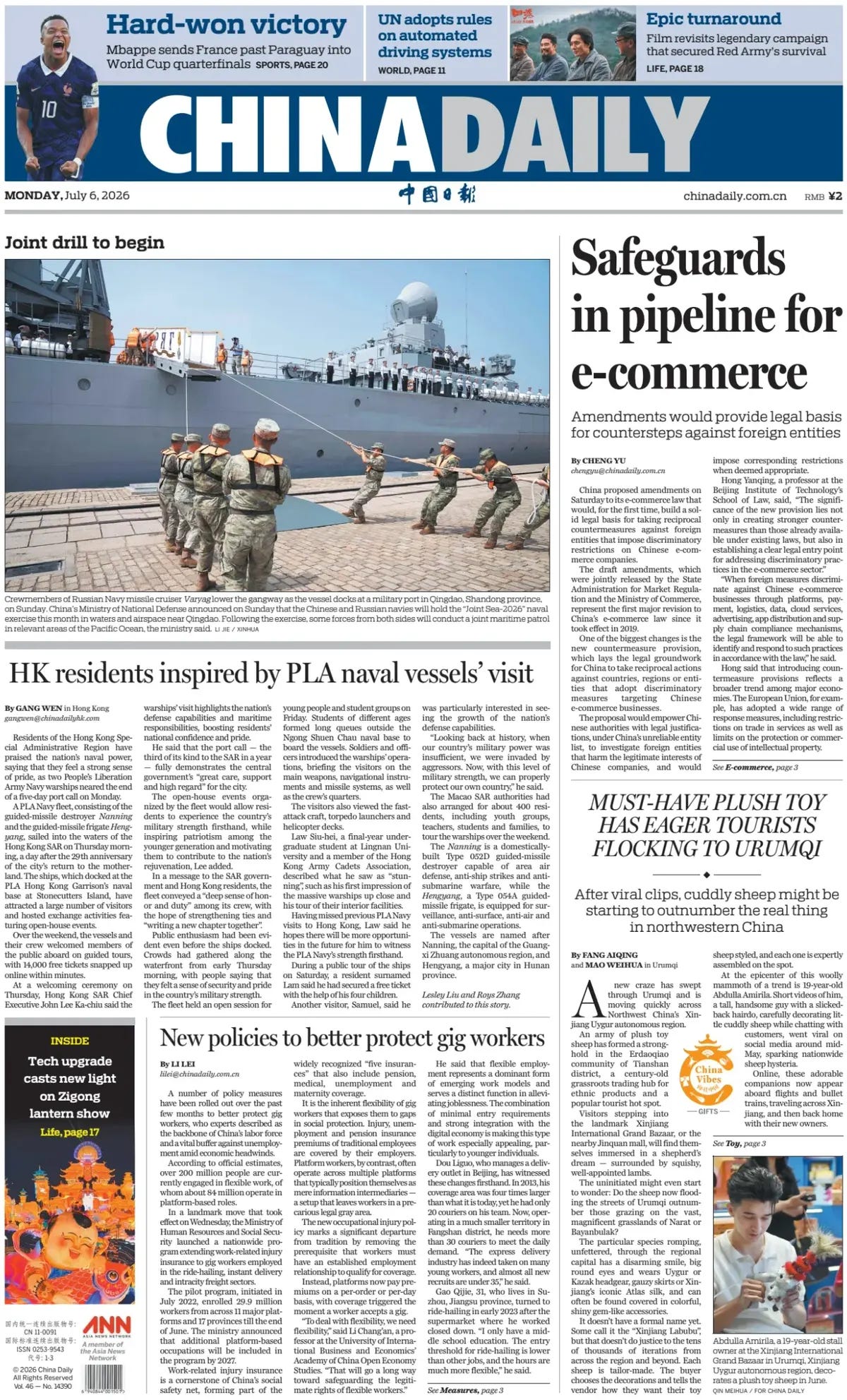
US President Donald Trump stated on Monday that he anticipates holding a high-level summit with Chinese President Xi Jinping around September 24, a timeline that mirrors the schedule of the United Nations General Assembly in New York. The U.S. leader highlighted the tentative date while addressing attendees at a White House Rose Garden event, where he defended his ongoing and controversial real estate projects on the executive complex grounds, including a massive new ballroom. Trump invoked the Chinese president’s upcoming visit to justify the grand scale of the construction. “For instance, President Xi is coming here toward the end of September, on the 24th, I believe,” Trump remarked during his speech. “What we need is a big ballroom; we could hold thousands of people to see him. Everyone wants to see him.” A diplomatic meeting on September 24 would coincide closely with the gathering of global dignitaries for the annual UN General Assembly. Trump is scheduled to address the assembly on September 22 and typically maintains a multi-day itinerary in New York to conduct bilateral meetings with world leaders. While Trump previously hinted at a September reception during his state visit to Beijing, this marks the first instance where a precise date has been specified publicly. The scheduled autumn meeting follows a three-day bilateral summit held between the two presidents in Beijing, where both administrations sought to stabilize economic ties and manage geopolitical tensions - HKS
The journals….
Greetings Michael, I prefer the original format. You insights and commentary on multiple world events is what I rely on for veracity. I'm not that interested in a lot of depth about anything...things change so fast anyway. Thanks for asking.